

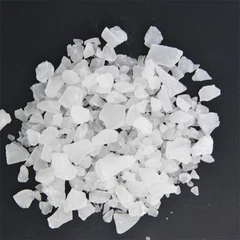
What are the advantages of using granular aluminum sulfate in oilfield wastewater treatment?
Oct 08, 2025
Leave a message
Hey there! As a supplier of granular aluminum sulfate, I've seen firsthand the amazing benefits it brings to oilfield wastewater treatment. In this blog, I'll share with you why using granular aluminum sulfate is a game - changer in this field.
1. Cost - effectiveness
Let's start with the money aspect. Oilfield wastewater treatment can be a costly affair. But granular aluminum sulfate offers a cost - effective solution. Compared to some other chemical treatment agents, it's relatively inexpensive. You don't have to break the bank to get a sufficient quantity for your wastewater treatment needs.
This affordability doesn't mean a compromise on quality. It works just as well, if not better, than more expensive alternatives. With granular aluminum sulfate, you can treat large volumes of oilfield wastewater without spending a fortune. So, for oilfield operators looking to cut down on treatment costs, this is a no - brainer.
2. High Efficiency in Coagulation
One of the key steps in oilfield wastewater treatment is coagulation. Granular aluminum sulfate is a superstar when it comes to this process. When added to the wastewater, it quickly dissociates in water to form positively charged aluminum ions. These ions neutralize the negative charges on the suspended particles in the wastewater.
As a result, the particles start to clump together, forming larger flocs. These flocs are much easier to separate from the water, either through sedimentation or filtration. This efficient coagulation process means that you can remove a large amount of suspended solids, oil droplets, and other contaminants from the wastewater in a relatively short time.
For example, in a recent project, a client was struggling to remove fine oil droplets from their wastewater. After using our granular aluminum sulfate, the coagulation was so effective that the oil content in the treated water dropped significantly, and the overall water quality improved dramatically.
3. Versatility
Granular aluminum sulfate is a very versatile treatment agent. It can be used in different types of oilfield wastewater, regardless of whether it's from on - shore or off - shore operations. Whether the wastewater has high salinity, contains heavy metals, or has a complex mixture of contaminants, granular aluminum sulfate can handle it.
It can also be used in combination with other treatment processes. For instance, it can be used before biological treatment to pre - treat the wastewater and remove the large particles that could otherwise damage the biological treatment system. Or it can be used in conjunction with filtration systems to enhance the filtration efficiency.
This versatility makes it a valuable tool in the oilfield wastewater treatment toolkit. You don't have to search for different treatment agents for different types of wastewater or treatment scenarios. One product, granular aluminum sulfate, can do it all.

4. Easy to Handle and Store
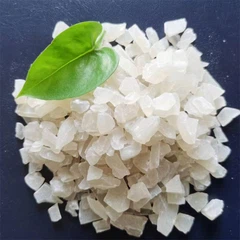
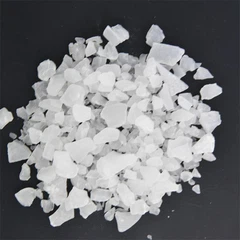
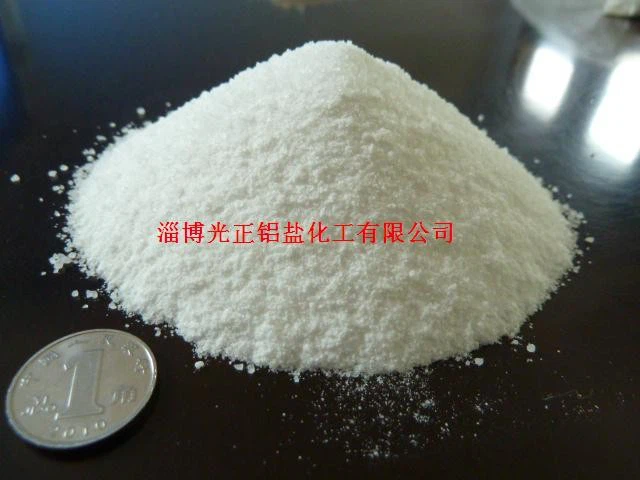
Another great advantage is that granular aluminum sulfate is easy to handle and store. It comes in a granular form, which is much easier to measure and add to the treatment system compared to liquid or powder forms that can be messy.
It has a relatively long shelf - life as long as it's stored in a dry place. You don't have to worry about it degrading quickly or losing its effectiveness. This makes it convenient for oilfield operators, especially those in remote locations where frequent restocking might be a challenge.
5. Environmental Friendliness
In today's world, environmental concerns are at the forefront. Granular aluminum sulfate is a relatively environmentally friendly option for oilfield wastewater treatment. When used in the right dosage, it doesn't introduce a large amount of harmful chemicals into the environment.
The aluminum ions in the wastewater are eventually removed during the treatment process, and the treated water can be safely discharged or reused. This helps in reducing the environmental impact of oilfield operations. It also meets the strict environmental regulations that many oilfield operators have to comply with.
6. Improved Water Quality
Using granular aluminum sulfate leads to a significant improvement in the water quality of oilfield wastewater. After treatment, the water has lower levels of suspended solids, oil, and other contaminants. This means that the treated water can be reused in various oilfield operations, such as for injection into the reservoir for enhanced oil recovery.
Reusing the treated water not only saves water resources but also reduces the need for fresh water intake, which is especially important in areas where water is scarce. The improved water quality also reduces the corrosion and scaling in the oilfield equipment, which can extend the lifespan of the equipment and reduce maintenance costs.
Product Links
If you're interested in learning more about our granular aluminum sulfate products, we have some related offerings. Check out our Iron - Free Aluminum Sulfate Powder For Sewage Treatment, which is also great for wastewater treatment. We're also an Aluminum Sulfate Powder Factory, ensuring high - quality products. And don't forget our Aluminium Sulphate Octadecahydrate, which has its own unique applications.
Conclusion
In conclusion, granular aluminum sulfate offers numerous advantages for oilfield wastewater treatment. From cost - effectiveness and high - efficiency coagulation to versatility, easy handling, environmental friendliness, and improved water quality, it's a top - notch choice for oilfield operators.
If you're in the oilfield industry and looking for a reliable wastewater treatment solution, I highly recommend considering our granular aluminum sulfate. We're here to provide you with the best products and support. Don't hesitate to reach out to us for more information or to start a purchase negotiation. Let's work together to make your oilfield wastewater treatment more efficient and environmentally friendly.
References
- "Wastewater Treatment in the Oil and Gas Industry" by John Smith, 2020
- "Coagulation and Flocculation in Water and Wastewater Treatment" by Mary Johnson, 2018
Send Inquiry