

What are the applications of aluminum sulphate flake in the construction industry?
Aug 07, 2025
Leave a message
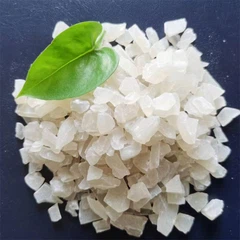
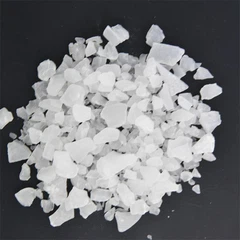
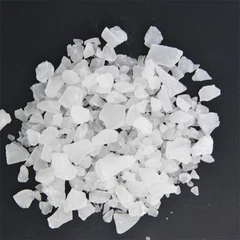
Hey there! As an aluminum sulphate flake supplier, I'm super stoked to dive into the amazing applications of this nifty product in the construction industry. Aluminum sulphate flakes, also known as alum, have a wide range of uses that make them a real game - changer on construction sites.
Water Treatment in Construction
One of the most significant applications of aluminum sulphate flakes in construction is water treatment. Construction sites often have to deal with large volumes of water, whether it's from excavation, rainwater runoff, or the use of water in various construction processes. This water can be full of suspended solids, dirt, and other impurities that need to be removed before it can be safely discharged or reused.
Aluminum sulphate flakes act as a coagulant. When added to water, they react with the negatively charged particles in the water, causing them to clump together. These clumps, or flocs, are then easier to remove through processes like sedimentation or filtration. It's like a magic trick for water purification! For instance, in a large - scale building project near a river, the water taken from the river for construction purposes can be treated with aluminum sulphate flakes. This ensures that the water used in concrete mixing or other operations is clean and won't cause any issues with the construction materials.
The CAS 10043 - 01 - 3 version of aluminum sulphate is often preferred for its high purity and effectiveness in water treatment. It's important to note that the dosage of aluminum sulphate flakes needs to be carefully calculated based on the quality of the water and the specific requirements of the treatment process.
Soil Stabilization
Soil stabilization is another area where aluminum sulphate flakes shine. In construction, the stability of the soil beneath a structure is crucial. Unstable soil can lead to foundation problems, cracks in buildings, and even structural failures. Aluminum sulphate flakes can be used to improve the engineering properties of soil.


When mixed with soil, aluminum sulphate reacts with the clay minerals in the soil. This reaction reduces the plasticity of the soil, making it more stable and less prone to swelling or shrinking with changes in moisture content. For example, in areas with expansive clay soils, adding aluminum sulphate flakes can prevent the soil from expanding during wet periods and contracting during dry periods. This helps to maintain the integrity of the foundation and the overall structure.
Concrete Additive
Aluminum sulphate flakes can also be used as an additive in concrete. They can act as a setting accelerator, which means they speed up the hardening process of concrete. This is particularly useful in cold weather conditions or when a quick turnaround is needed on a construction project. By adding a small amount of aluminum sulphate flakes to the concrete mix, the construction crew can start working on the next stage of the project sooner.
Moreover, aluminum sulphate can improve the strength and durability of concrete. It reacts with the calcium hydroxide in the concrete to form additional calcium - aluminum hydrates, which contribute to the overall strength of the material. However, it's essential to use the right amount. Too much aluminum sulphate can cause the concrete to become brittle and may lead to long - term durability issues.
Waterproofing Agent
In the construction of basements, tunnels, and other underground structures, waterproofing is a top priority. Aluminum sulphate flakes can be used to create a waterproofing compound. When mixed with other materials, they form a gel - like substance that can seal the pores in concrete and prevent water from seeping through.
This waterproofing property is especially useful in areas with high water tables or in structures that are constantly exposed to moisture. For example, in a basement construction, applying a waterproofing coating containing aluminum sulphate flakes can protect the building from water damage and mold growth.
Gypsum Board Production
Gypsum boards are widely used in the construction industry for interior walls and ceilings. Aluminum sulphate flakes play a role in the production of these boards. They are added to the gypsum slurry during the manufacturing process. The aluminum sulphate helps to control the setting time of the gypsum and improves the strength and fire - resistance of the final product.
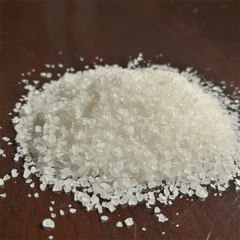
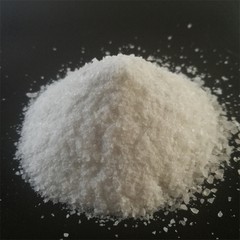
The Aluminum Sulphate Powder form can be more convenient for use in gypsum board production as it can be easily mixed with the gypsum slurry. This ensures a more uniform distribution of the additive throughout the board, resulting in better quality gypsum boards.
Effluent Treatment in Construction Factories
Construction factories often generate a lot of wastewater that contains various pollutants. Aluminum sulphate flakes are used in the effluent treatment systems of these factories. Similar to water treatment on construction sites, they help in coagulating the suspended solids and removing them from the wastewater.
This is important for environmental reasons. By treating the effluent before discharging it, construction factories can comply with environmental regulations and reduce their impact on the surrounding ecosystem. The Ferric Aluminium Sulphate is sometimes used in combination with aluminum sulphate flakes for more effective effluent treatment, as it can enhance the coagulation process.
Conclusion
As you can see, aluminum sulphate flakes have a wide range of applications in the construction industry. From water treatment to soil stabilization, concrete additives, waterproofing, gypsum board production, and effluent treatment, they are an essential part of many construction processes.
If you're in the construction business and looking for a reliable supplier of high - quality aluminum sulphate flakes, I'm here for you. Whether you need a small quantity for a local project or a large - scale supply for a major construction venture, I can provide you with the right product. Get in touch to discuss your requirements and let's work together to make your construction projects a success!
References
- ASTM International. (Year). Standard test methods for water - related tests in construction.
- Construction Industry Research Foundation. (Year). Soil stabilization techniques and materials.
- Concrete Technology Handbook. (Year). Concrete additives and their effects.
Send Inquiry