

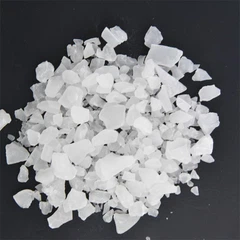
What are the effects of aluminum sulphate powder on rubber vulcanization?
Dec 01, 2025
Leave a message
Rubber vulcanization is a crucial process in the rubber industry, which significantly enhances the mechanical properties, thermal stability, and chemical resistance of rubber products. Aluminum sulphate powder, as a common chemical substance, may have various effects on rubber vulcanization. As a reliable aluminum sulphate powder supplier, we are committed to exploring these effects and providing high - quality products to meet the diverse needs of the rubber industry.
1. Chemical reactions during rubber vulcanization
Before delving into the effects of aluminum sulphate powder on rubber vulcanization, it is essential to understand the basic principles of rubber vulcanization. Generally, rubber vulcanization involves the cross - linking of rubber macromolecules through chemical reactions. For example, in the case of sulfur - based vulcanization, sulfur atoms react with rubber molecules to form cross - links, which transform the soft and sticky raw rubber into a hard, elastic, and heat - resistant material.


The vulcanization process is usually carried out under specific temperature and pressure conditions, and various accelerators, activators, and antioxidants are often added to control the reaction rate and improve the performance of the vulcanized rubber.
2. Possible physical effects of aluminum sulphate powder on rubber vulcanization
2.1 Filler effect
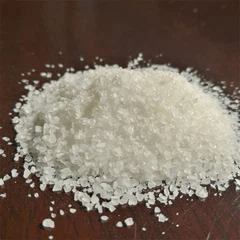
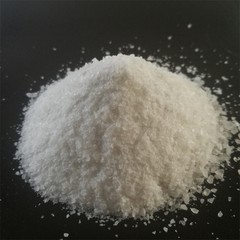
Aluminum sulphate powder can act as a filler in the rubber vulcanization process. When added to the rubber compound, it can increase the volume and weight of the rubber product, thereby reducing the cost. At the same time, as a filler, it can also improve the hardness and stiffness of the rubber. The fine particles of aluminum sulphate powder can be evenly dispersed in the rubber matrix, providing additional support for the rubber network structure.
However, the addition amount of aluminum sulphate powder needs to be carefully controlled. If too much is added, it may lead to a decrease in the elasticity and toughness of the rubber, because excessive filler may disrupt the cross - linking structure of the rubber and reduce the mobility of rubber molecules.
2.2 Reinforcement effect
In some cases, aluminum sulphate powder can have a certain reinforcement effect on rubber. The surface of aluminum sulphate particles may interact with rubber molecules through physical adsorption or chemical bonding. This interaction can enhance the stress transfer ability between rubber molecules, thereby improving the tensile strength and tear resistance of the vulcanized rubber.
For example, when the particle size of aluminum sulphate powder is in the appropriate range, it can form a more stable interface with the rubber matrix, which helps to distribute the external stress evenly and prevent the initiation and propagation of cracks in the rubber.
3. Possible chemical effects of aluminum sulphate powder on rubber vulcanization
3.1 Influence on vulcanization reaction rate
Aluminum sulphate powder may affect the vulcanization reaction rate. It can act as a catalyst or inhibitor in the vulcanization process. On one hand, some components in aluminum sulphate may promote the decomposition of vulcanizing agents or accelerators, thereby accelerating the cross - linking reaction of rubber molecules. On the other hand, if aluminum sulphate reacts with some active substances in the vulcanization system, it may consume these substances and slow down the vulcanization reaction.
The specific influence on the reaction rate depends on the chemical composition of aluminum sulphate powder, the type of rubber, and the formulation of the vulcanization system. For example, in a sulfur - based vulcanization system, aluminum sulphate may interact with sulfur or accelerators, changing their reactivity and thus affecting the overall vulcanization rate.
3.2 Influence on cross - linking structure
Aluminum sulphate powder may also affect the cross - linking structure of rubber. It may participate in the cross - linking reaction to form new cross - link bonds or modify the existing cross - link bonds. This can change the density and distribution of cross - links in the rubber network, which in turn affects the mechanical and physical properties of the vulcanized rubber.
For instance, if aluminum sulphate forms additional cross - links between rubber molecules, it can increase the cross - link density of the rubber, resulting in higher hardness, better heat resistance, and lower swelling in solvents. However, if the cross - link structure is not properly formed, it may lead to uneven mechanical properties and reduced performance of the rubber product.
4. Impact on the performance of vulcanized rubber
4.1 Thermal stability
The addition of aluminum sulphate powder can improve the thermal stability of vulcanized rubber. Aluminum sulphate has a certain heat - resistant property, and when it is incorporated into the rubber matrix, it can act as a heat - insulating and heat - absorbing agent. This helps to slow down the thermal degradation of rubber molecules at high temperatures, reducing the loss of mechanical properties and extending the service life of the rubber product.
4.2 Chemical resistance
Aluminum sulphate powder can also enhance the chemical resistance of vulcanized rubber. It can form a protective layer on the surface of the rubber or interact with corrosive substances to prevent them from penetrating into the rubber matrix. For example, in an acidic or alkaline environment, aluminum sulphate may react with the corrosive medium to form a stable compound, which protects the rubber from chemical attack.
5. Our high - quality aluminum sulphate powder products
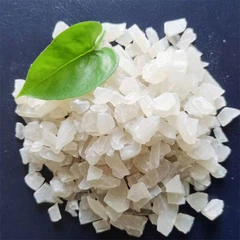
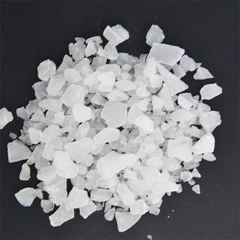
As a professional aluminum sulphate powder supplier, we offer a wide range of high - quality aluminum sulphate products, including Aluminum Sulphate Flake, Aluminum Sulphate Lump, and Industrial Aluminum Sulphate.
Our products are produced using advanced technology and strict quality control systems, ensuring high purity, uniform particle size, and stable performance. Whether you need aluminum sulphate powder for rubber vulcanization or other industrial applications, we can provide you with the most suitable products and professional technical support.
6. Conclusion and invitation for cooperation
In conclusion, aluminum sulphate powder can have significant physical and chemical effects on rubber vulcanization, which can improve the performance of vulcanized rubber in many aspects. However, the application of aluminum sulphate powder in rubber vulcanization requires in - depth research and optimization of the formulation to fully utilize its advantages and avoid potential negative impacts.
If you are interested in our aluminum sulphate powder products or have any questions about their application in rubber vulcanization, please feel free to contact us. We are looking forward to establishing long - term and stable cooperation with you to jointly promote the development of the rubber industry.
References
- "Rubber Technology: Compounding, Vulcanization and Testing" by Maurice Morton.
- "Handbook of Fillers for Plastics and Elastomers" by George Wypych.
- Research papers on the influence of inorganic fillers on rubber vulcanization in relevant chemical and materials science journals.
Send Inquiry