

What are the potential problems when using granular aluminum sulfate in the leather industry?
Nov 24, 2025
Leave a message
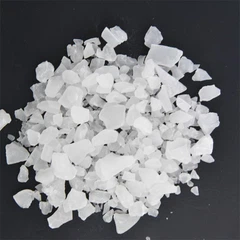
As a supplier of granular aluminum sulfate, I've witnessed firsthand its widespread use in the leather industry. Granular aluminum sulfate, known for its coagulating and tanning properties, has long been a staple in leather processing. However, like any chemical substance, its application is not without potential problems. In this blog, I'll delve into the various issues that may arise when using granular aluminum sulfate in the leather industry.
Environmental Concerns
One of the most significant potential problems associated with the use of granular aluminum sulfate in the leather industry is its environmental impact. When aluminum sulfate is used in leather processing, it can react with other chemicals in the tanning solution to form various by - products. These by - products can be released into the environment through wastewater discharge.
Aluminum ions can accumulate in water bodies, soil, and sediment. High levels of aluminum in water can be toxic to aquatic life. It can interfere with the gill function of fish and other aquatic organisms, leading to reduced oxygen uptake and ultimately death. In soil, aluminum can affect the growth of plants by interfering with nutrient uptake and root development.
Moreover, the leather industry is a major consumer of water. The wastewater generated from the tanning process, which often contains aluminum sulfate and its by - products, needs to be treated properly before being discharged. However, treating wastewater containing aluminum can be complex and costly. Many small and medium - sized leather tanneries may not have the necessary resources or technology to treat the wastewater effectively, leading to environmental pollution. For more information on industrial - grade aluminum sulfate and its environmental implications, you can visit Industrial Aluminum Sulphate.
Quality and Consistency of Leather
Another potential problem is the impact on the quality and consistency of the leather. The use of granular aluminum sulfate in tanning can affect the physical and chemical properties of the leather.
In terms of physical properties, improper use of aluminum sulfate can lead to uneven tanning. This may result in variations in color, texture, and firmness across the leather surface. For example, if the concentration of aluminum sulfate in the tanning solution is not carefully controlled, some areas of the leather may be over - tanned while others are under - tanned. This unevenness can reduce the commercial value of the leather and make it less suitable for high - end applications.
Chemically, aluminum sulfate can react with other components in the leather, such as proteins. Over time, these reactions may cause the leather to become brittle and lose its flexibility. This is especially a concern for leather products that require long - term durability, such as leather furniture and automotive interiors. To ensure the quality of the leather, it is crucial to use high - quality aluminum sulfate. Our Aluminum Sulfate China Factory provides products that are carefully manufactured to meet strict quality standards.
Health Risks for Workers
Workers in the leather industry are also at risk when handling granular aluminum sulfate. Aluminum sulfate dust can be inhaled during the handling and mixing processes. Prolonged inhalation of aluminum dust can cause respiratory problems, such as bronchitis and pneumoconiosis.


In addition, direct contact with aluminum sulfate can cause skin and eye irritation. The chemical can be corrosive to the skin, especially if it is in concentrated form. Workers may experience redness, itching, and in severe cases, chemical burns. Therefore, proper safety measures, such as wearing protective clothing, gloves, and masks, are essential when working with granular aluminum sulfate.
Compatibility with Other Chemicals
The leather tanning process often involves the use of multiple chemicals in combination. Granular aluminum sulfate may not be compatible with all of these chemicals. For example, it can react with some types of dyes and finishing agents, leading to color changes or reduced effectiveness of these chemicals.
When aluminum sulfate reacts with certain dyes, it can cause the dyes to precipitate out of the solution, resulting in uneven coloration of the leather. This can be a major problem for leather manufacturers who rely on consistent color quality for their products. To avoid such compatibility issues, it is necessary to conduct thorough compatibility tests before using aluminum sulfate in combination with other chemicals. Our Aluminium Sulphate Octadecahydrate product has been formulated to have better compatibility with a wide range of tanning and finishing chemicals.
Regulatory Compliance
The use of granular aluminum sulfate in the leather industry is subject to various regulations. Different countries and regions have different limits on the amount of aluminum that can be present in leather products and wastewater. Leather manufacturers need to ensure that their use of aluminum sulfate complies with these regulations.
Failure to comply with regulatory requirements can result in significant fines and legal consequences. In addition, non - compliant leather products may be banned from entering certain markets, which can have a serious impact on the business of leather manufacturers. Therefore, it is essential for both suppliers and manufacturers to stay updated on the latest regulatory requirements and ensure that their products and processes meet these standards.
Mitigating the Problems
Despite these potential problems, the use of granular aluminum sulfate in the leather industry can still be optimized. For environmental concerns, advanced wastewater treatment technologies can be adopted. For example, using coagulation - flocculation methods in combination with biological treatment can effectively remove aluminum from the wastewater.
To improve the quality and consistency of leather, strict quality control measures should be implemented during the tanning process. This includes accurate measurement of the concentration of aluminum sulfate in the tanning solution and regular monitoring of the tanning process parameters.
Regarding worker safety, comprehensive training programs should be provided to ensure that workers are aware of the potential health risks and know how to use protective equipment properly.
In terms of chemical compatibility, conducting pre - tests and using products from reliable suppliers can help minimize the problems. Our company is committed to providing high - quality granular aluminum sulfate products and technical support to help leather manufacturers overcome these challenges.
Conclusion
In conclusion, while granular aluminum sulfate is a valuable chemical in the leather industry, its use is associated with several potential problems, including environmental concerns, impacts on leather quality, health risks for workers, chemical compatibility issues, and regulatory compliance. However, with proper management and the use of high - quality products, these problems can be mitigated.
If you are in the leather industry and are looking for a reliable supplier of granular aluminum sulfate, we are here to assist you. Our products are manufactured with strict quality control and we can provide you with technical support to ensure the best results in your leather processing. Contact us for more information and to start a procurement discussion. We look forward to working with you to address the challenges and achieve success in the leather industry.
References
- "Environmental Impact of Leather Tanning Processes" by [Author's Name], [Publication Name], [Year]
- "The Chemistry of Leather Tanning" by [Author's Name], [Publication Name], [Year]
- "Occupational Health Risks in the Leather Industry" by [Author's Name], [Publication Name], [Year]
Send Inquiry