

What are the potential risks of aluminum sulfate in drinking water for children?
Jun 02, 2025
Leave a message
As a supplier of aluminum sulfate for drinking water treatment, I understand the importance of ensuring the safety and quality of the products we provide. Aluminum sulfate is widely used in water treatment processes due to its effectiveness in removing impurities and contaminants. However, like any chemical substance, it is crucial to be aware of the potential risks associated with its use, especially when it comes to children. In this blog post, I will discuss the potential risks of aluminum sulfate in drinking water for children and provide some insights on how to mitigate these risks.
Understanding Aluminum Sulfate in Drinking Water
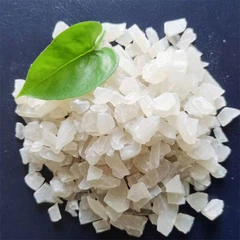
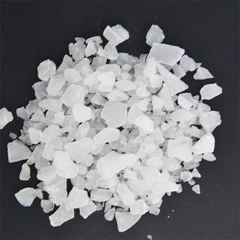
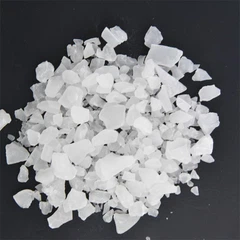
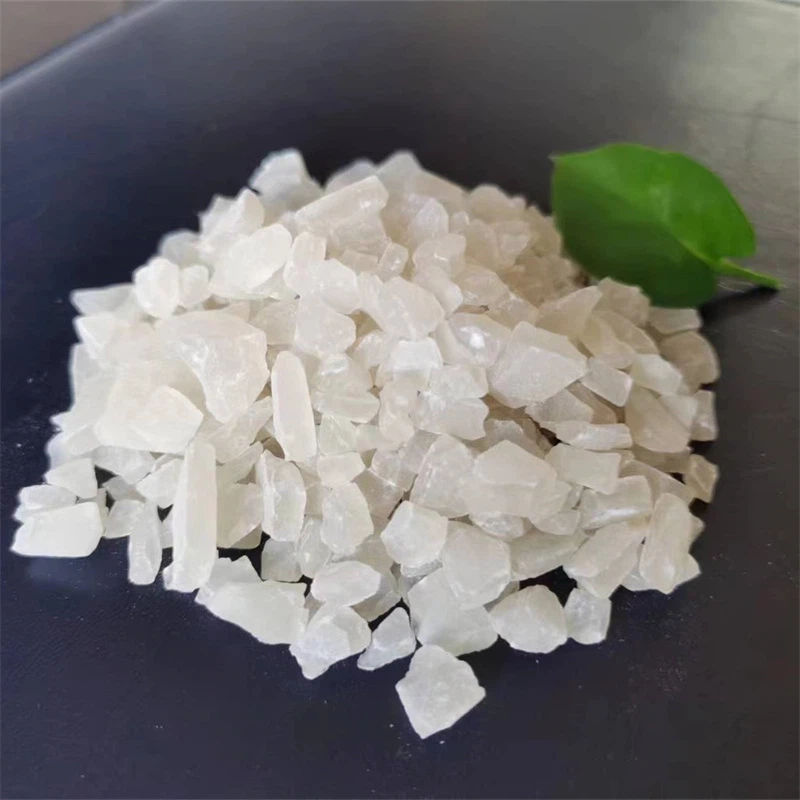
Aluminum sulfate, also known as alum, is a chemical compound commonly used in water treatment plants to clarify and purify drinking water. It works by causing suspended particles and impurities in the water to clump together, making them easier to remove through sedimentation and filtration processes. This helps to improve the clarity, taste, and odor of the water, as well as reduce the presence of harmful microorganisms and chemicals.
In addition to its use in water treatment plants, aluminum sulfate is also used in some home water treatment systems, such as water filters and pitchers. These products are designed to remove impurities and contaminants from tap water, providing a safer and more convenient alternative to bottled water.
Potential Risks of Aluminum Sulfate in Drinking Water for Children
While aluminum sulfate is generally considered safe for use in water treatment, there are some potential risks associated with its use, especially for children. Here are some of the main concerns:
1. Aluminum Exposure
One of the primary concerns with aluminum sulfate in drinking water is the potential for increased aluminum exposure. Aluminum is a naturally occurring element that is present in small amounts in the environment, including in soil, water, and air. However, excessive exposure to aluminum has been linked to a number of health problems, including neurological disorders, bone diseases, and impaired immune function.
Children are particularly vulnerable to the effects of aluminum exposure because their bodies are still developing. Their brains and nervous systems are more sensitive to the toxic effects of aluminum, and they may have a higher intake of aluminum relative to their body weight compared to adults. In addition, children may be more likely to consume large amounts of water, which could increase their exposure to aluminum in drinking water.
2. Neurological Effects
Excessive aluminum exposure has been linked to a number of neurological disorders, including Alzheimer's disease, Parkinson's disease, and dementia. While the exact mechanism by which aluminum affects the brain is not fully understood, it is thought to interfere with the normal functioning of neurons and neurotransmitters, leading to cognitive and behavioral problems.
Children are at a greater risk of developing neurological problems due to aluminum exposure because their brains are still developing. Studies have shown that high levels of aluminum in the brain can cause damage to the developing nervous system, leading to learning disabilities, attention deficit hyperactivity disorder (ADHD), and other cognitive and behavioral problems.
3. Bone Health
Aluminum has also been shown to have a negative impact on bone health. It can interfere with the normal absorption and metabolism of calcium and other minerals, leading to weakened bones and an increased risk of fractures. This is particularly concerning for children, whose bones are still growing and developing.
Studies have shown that high levels of aluminum in the body can cause bone loss and osteoporosis, a condition characterized by weak and brittle bones. In addition, aluminum exposure has been linked to an increased risk of fractures in children, especially those who are already at risk of developing bone problems due to other factors, such as a poor diet or a sedentary lifestyle.

4. Immune Function
Excessive aluminum exposure has also been linked to impaired immune function. Aluminum can interfere with the normal functioning of the immune system, making it more difficult for the body to fight off infections and diseases. This is particularly concerning for children, whose immune systems are still developing and may be more vulnerable to the effects of aluminum exposure.
Studies have shown that high levels of aluminum in the body can suppress the immune system, leading to an increased risk of infections and diseases. In addition, aluminum exposure has been linked to an increased risk of allergies and asthma in children, which may be related to its effects on the immune system.
Mitigating the Risks of Aluminum Sulfate in Drinking Water for Children
While the potential risks of aluminum sulfate in drinking water for children are a concern, there are several steps that can be taken to mitigate these risks. Here are some recommendations:
1. Monitor Aluminum Levels in Drinking Water
The first step in mitigating the risks of aluminum sulfate in drinking water for children is to monitor the aluminum levels in the water. This can be done by having the water tested by a certified laboratory. The Environmental Protection Agency (EPA) has set a maximum contaminant level (MCL) for aluminum in drinking water of 0.2 milligrams per liter (mg/L). If the aluminum levels in your drinking water exceed this limit, you may need to take steps to reduce the aluminum content.
2. Use a Water Filter
If the aluminum levels in your drinking water are high, you may want to consider using a water filter to remove the aluminum. There are several types of water filters available on the market, including activated carbon filters, reverse osmosis filters, and ion exchange filters. These filters can effectively remove aluminum and other contaminants from tap water, providing a safer and more convenient alternative to bottled water.
When choosing a water filter, it is important to look for a product that is certified by a reputable organization, such as the National Sanitation Foundation (NSF). This ensures that the filter has been tested and proven to meet strict standards for performance and safety.
3. Limit Children's Exposure to Aluminum
In addition to monitoring the aluminum levels in drinking water and using a water filter, it is also important to limit children's exposure to aluminum from other sources. This includes avoiding the use of aluminum cookware, aluminum foil, and aluminum-containing antacids and vaccines. It is also important to encourage children to eat a healthy diet that is rich in calcium, magnesium, and other minerals, which can help to reduce the absorption of aluminum in the body.
4. Follow Safe Water Treatment Practices
If you are using aluminum sulfate in your water treatment process, it is important to follow safe water treatment practices to minimize the risk of aluminum exposure. This includes using the correct dosage of aluminum sulfate, following the manufacturer's instructions for use, and ensuring that the water is properly treated and filtered before consumption.
Conclusion
As a supplier of aluminum sulfate for drinking water treatment, I understand the importance of ensuring the safety and quality of the products we provide. While aluminum sulfate is generally considered safe for use in water treatment, it is important to be aware of the potential risks associated with its use, especially for children. By monitoring the aluminum levels in drinking water, using a water filter, limiting children's exposure to aluminum, and following safe water treatment practices, we can help to mitigate these risks and ensure the health and well-being of our children.
If you have any questions or concerns about the use of aluminum sulfate in drinking water, or if you are interested in learning more about our products and services, please do not hesitate to contact us. We are committed to providing our customers with the highest quality products and services, and we will be happy to assist you with any questions or concerns you may have.
References
- Agency for Toxic Substances and Disease Registry (ATSDR). (2008). Toxicological Profile for Aluminum. Atlanta, GA: U.S. Department of Health and Human Services, Public Health Service.
- Environmental Protection Agency (EPA). (2021). National Primary Drinking Water Regulations. Washington, DC: U.S. Environmental Protection Agency.
- World Health Organization (WHO). (2011). Guidelines for Drinking-Water Quality, 4th Edition. Geneva, Switzerland: World Health Organization.
Send Inquiry