

How does aluminum sulfate fertilizer change the soil structure?
Jun 02, 2025
Leave a message
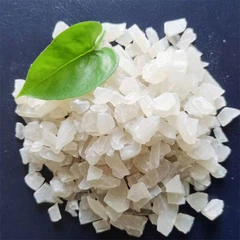
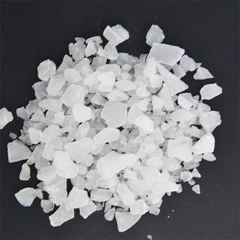
Soil structure plays a pivotal role in determining the health and productivity of plants. It affects water infiltration, root penetration, and nutrient availability. As a supplier of Aluminium Sulphate Fertilizer, I've witnessed firsthand how this unique fertilizer can bring about significant changes to soil structure. In this blog, I'll delve into the science behind how aluminum sulfate fertilizer modifies soil and the benefits it offers to farmers and gardeners.
Understanding Soil Structure
Before we explore how aluminum sulfate fertilizer impacts soil, it's essential to understand what soil structure is. Soil structure refers to the way individual soil particles - sand, silt, and clay - are arranged and aggregated. These aggregates form pores of different sizes, which are crucial for air and water movement within the soil. A well - structured soil has a good balance of large and small pores, allowing for proper drainage, aeration, and root growth.
There are several types of soil structure, including granular, blocky, prismatic, and platy. Granular soil structure is considered ideal for plant growth as it provides a good balance of porosity and stability. On the other hand, soils with poor structure, such as compacted or clay - dominated soils, can limit plant growth by restricting root penetration and water movement.
The Role of Aluminum Sulfate in Soil
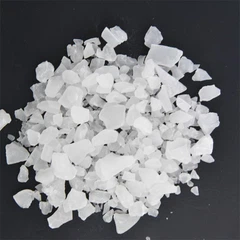
Aluminum sulfate, also known as alum, is a chemical compound that has been used in agriculture for decades. When applied to the soil, it undergoes a series of chemical reactions that can have profound effects on soil structure.
Acidification of Soil
One of the primary ways aluminum sulfate affects soil is by acidifying it. When aluminum sulfate dissolves in water, it releases hydrogen ions (H⁺), which lower the soil's pH. This acidification process is particularly beneficial in alkaline soils, where high pH levels can limit the availability of essential nutrients such as iron, manganese, and zinc.
As the soil pH decreases, these nutrients become more soluble and available for plant uptake. For example, iron is more readily absorbed by plants in acidic conditions. By acidifying the soil, aluminum sulfate can help correct nutrient deficiencies and improve plant health.
The chemical reaction for the hydrolysis of aluminum sulfate in water can be represented as follows:
Al₂(SO₄)₃ + 6H₂O ⇌ 2Al(OH)₃ + 3H₂SO₄
The sulfuric acid (H₂SO₄) produced in this reaction dissociates to release hydrogen ions (H⁺), which lower the soil pH.
Flocculation of Clay Particles
Another important effect of aluminum sulfate on soil structure is its ability to flocculate clay particles. In clay - rich soils, individual clay particles are often negatively charged and repel each other, resulting in a dispersed and poorly structured soil.
When aluminum sulfate is added to the soil, the aluminum ions (Al³⁺) react with the negatively charged clay particles. The aluminum ions neutralize the negative charges on the clay particles, causing them to come together and form larger aggregates. This process, known as flocculation, improves soil structure by creating larger pores between the aggregates.
The improved soil structure allows for better water infiltration and drainage, reducing the risk of waterlogging in clay soils. It also enhances root penetration, as the larger pores provide more space for roots to grow and expand.
Impact on Soil Aggregation
In addition to flocculating clay particles, aluminum sulfate can also enhance soil aggregation in general. Soil aggregates are groups of soil particles held together by organic matter, roots, and microbial activity. A stable soil structure with well - formed aggregates is essential for maintaining soil fertility and preventing soil erosion.
The acidification caused by aluminum sulfate can stimulate microbial activity in the soil. Microorganisms play a crucial role in the formation and stabilization of soil aggregates by producing sticky substances that bind soil particles together. As the soil pH becomes more favorable for microbial growth, the activity of these beneficial microorganisms increases, leading to the formation of more stable soil aggregates.
Benefits of Using Aluminum Sulfate Fertilizer for Soil Structure
The changes in soil structure brought about by aluminum sulfate fertilizer offer several benefits to farmers and gardeners.
Improved Water Management
A well - structured soil with larger pores allows for better water infiltration and drainage. This means that water can move more freely through the soil, reducing the risk of waterlogging and soil erosion. In addition, the improved water - holding capacity of the soil can help plants withstand drought conditions by storing water in the soil for longer periods.
Enhanced Nutrient Availability
As mentioned earlier, the acidification of soil by aluminum sulfate increases the availability of essential nutrients such as iron, manganese, and zinc. This can lead to improved plant growth, higher yields, and better - quality crops. By correcting nutrient deficiencies, aluminum sulfate fertilizer can also reduce the need for additional fertilizers, saving costs for farmers.
Better Root Development
The larger pores and more stable soil aggregates created by aluminum sulfate fertilizer provide a more favorable environment for root growth. Roots can penetrate the soil more easily, allowing plants to access water and nutrients more efficiently. This can result in stronger, healthier plants with a more extensive root system.
Soil Erosion Prevention
A well - structured soil with stable aggregates is less prone to erosion. The improved soil structure helps to hold the soil in place, preventing it from being washed away by rain or wind. This is particularly important in areas with sloping terrain or high rainfall.
Application of Aluminum Sulfate Fertilizer
When applying aluminum sulfate fertilizer, it's important to follow the recommended application rates and methods. The amount of aluminum sulfate needed depends on several factors, including the soil type, pH level, and the specific crop being grown.
It's generally recommended to conduct a soil test before applying aluminum sulfate fertilizer to determine the current soil pH and nutrient levels. Based on the soil test results, the appropriate amount of aluminum sulfate can be calculated.
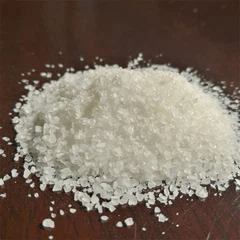
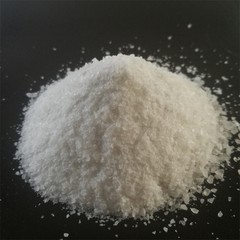
Aluminum sulfate can be applied either as a dry powder or in a liquid form. When applying the dry powder, it should be evenly spread over the soil surface and then incorporated into the soil using a tiller or rake. The liquid form can be applied using a sprayer or irrigation system.


Conclusion
As a supplier of Aluminum Sulfate Soil Amendment, I'm confident in the benefits that aluminum sulfate fertilizer can bring to soil structure. By acidifying the soil, flocculating clay particles, and enhancing soil aggregation, it can significantly improve soil health and fertility.
If you're a farmer or gardener looking to improve your soil structure, increase nutrient availability, and enhance plant growth, I encourage you to consider using aluminum sulfate fertilizer. Our company offers high - quality aluminum sulfate fertilizer that is formulated to meet the specific needs of different soils and crops.
If you have any questions or would like to discuss your soil improvement needs, please don't hesitate to contact us for a purchase negotiation. We're here to help you achieve the best results for your agricultural or gardening endeavors.
References
- Brady, N. C., & Weil, R. R. (2008). The Nature and Properties of Soils. Pearson Prentice Hall.
- Mengel, K., & Kirkby, E. A. (2001). Principles of Plant Nutrition. Kluwer Academic Publishers.
- Sparks, D. L. (2003). Environmental Soil Chemistry. Academic Press.
Send Inquiry