

What are the quality standards for aluminum sulphate lump?
Aug 22, 2025
Leave a message
Hey there! As a supplier of aluminum sulphate lump, I often get asked about the quality standards for this product. So, I thought I'd share some insights with you all.
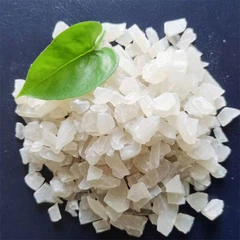
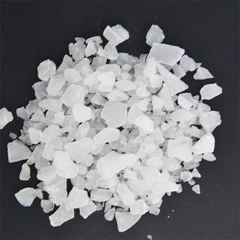
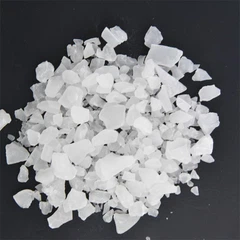
First off, let's talk about what aluminum sulphate lump is. It's a chemical compound that's commonly used in water treatment, paper manufacturing, and other industrial processes. It comes in a solid, lump form, and its quality can vary depending on a few key factors.
Chemical Composition
One of the most important quality standards for aluminum sulphate lump is its chemical composition. The main component, of course, is aluminum sulphate itself. But there are also other elements and impurities that can affect its performance.
-
Aluminum Content: The aluminum content in aluminum sulphate lump is a crucial factor. A higher aluminum content generally means better performance in applications like water treatment. Typically, the aluminum oxide (Al₂O₃) content should be within a certain range. For high - quality aluminum sulphate lump, the Al₂O₃ content is usually around 15% - 17%. This ensures that there's enough aluminum available to react with impurities in water or other substances during the treatment process.
-
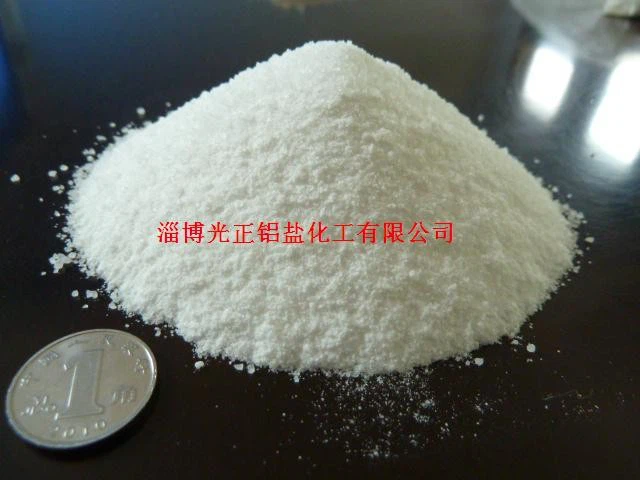
Iron Content: Iron is one of the most common impurities in aluminum sulphate lump. High iron content can cause discoloration in the final product, especially in applications like paper manufacturing. For applications where color is important, such as making white paper or treating drinking water, we need iron - free aluminum sulphate. You can check out Iron - Free Aluminum Sulfate Powder For Sewage Treatment for more info on products with low iron content. In general, the iron content in high - quality aluminum sulphate lump should be less than 0.5%.

-
Sulfate Content: The sulfate (SO₄²⁻) content is also important. It should be in an appropriate ratio with the aluminum content to ensure the stability and effectiveness of the compound. Usually, the sulfate content is around 80% - 85% in well - made aluminum sulphate lump.
Physical Properties
The physical properties of aluminum sulphate lump are also significant when it comes to quality.
- Particle Size and Shape: The size and shape of the lumps can affect how easily they dissolve in water. Lumps that are too large may take a long time to dissolve, while lumps that are too small may clump together. Ideally, the lumps should have a relatively uniform size, usually ranging from a few millimeters to a couple of centimeters. This allows for efficient dissolution and better performance in various applications.
- Hardness and Density: The hardness of the lumps is important for handling and storage. If the lumps are too soft, they may break easily during transportation and storage, which can lead to dust formation. On the other hand, if they're too hard, they may be difficult to crush or dissolve. The density of the lumps also affects their behavior in water. A proper density ensures that the lumps sink and dissolve evenly in water.
Purity
Purity is another crucial quality standard. Impurities can come from various sources, such as the raw materials used in the manufacturing process or contaminants during production.
- Heavy Metals: Heavy metals like lead, mercury, and cadmium are extremely harmful, especially in applications related to water treatment and food processing. High - quality aluminum sulphate lump should have extremely low levels of these heavy metals. In fact, the content of these heavy metals should be below the detection limit in most cases. This ensures the safety of the final products and the environment.
- Insoluble Matter: Insoluble matter can cause problems in equipment and processes. For example, in water treatment plants, insoluble matter can clog filters and pipes. The amount of insoluble matter in high - quality aluminum sulphate lump should be less than 0.1%.
Manufacturing Process
The manufacturing process also plays a big role in determining the quality of aluminum sulphate lump.
- Raw Materials: Using high - quality raw materials is the first step. The bauxite or other aluminum - containing ores used should be of good quality, with low levels of impurities. This helps to ensure that the final product has the desired chemical composition and purity.
- Reaction Conditions: The reaction conditions during the manufacturing process, such as temperature, pressure, and reaction time, need to be carefully controlled. Proper reaction conditions ensure that the aluminum and sulfate react completely and form a stable compound. Any deviation from the optimal reaction conditions can lead to variations in the quality of the final product.
Quality Control
As a supplier, we have a strict quality control system in place to ensure that our aluminum sulphate lump meets all the quality standards.
- Testing: We conduct various tests on the product at different stages of production. Chemical analysis is used to determine the chemical composition, including the aluminum, iron, sulfate, and heavy metal content. Physical tests are also carried out to check the particle size, hardness, and density of the lumps.
- Certifications: Our products are often certified by relevant authorities, which is a guarantee of their quality. Certifications like ISO 9001 ensure that our manufacturing process follows international quality management standards.
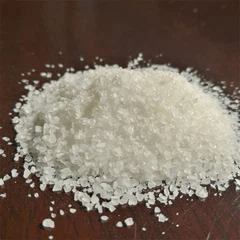
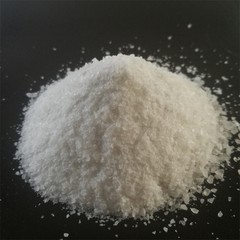
If you're in the market for high - quality aluminum sulphate lump, you can visit our Aluminum Sulphate Lump page to learn more about our products. We also have an Aluminum Sulfate Powder Factory where we produce high - quality aluminum sulphate in powder form.
Whether you're in the water treatment industry, paper manufacturing, or any other field that requires aluminum sulphate lump, we're here to provide you with the best products. If you're interested in purchasing our products or have any questions about our aluminum sulphate lump, feel free to reach out to us for a procurement discussion. We're always happy to help you find the right solution for your needs.
References
- "Handbook of Industrial Chemistry and Biotechnology"
- "Water Treatment Chemicals: Principles and Practice"
Send Inquiry