

What are the safety precautions when handling aluminum sulphate flake?
Nov 06, 2025
Leave a message
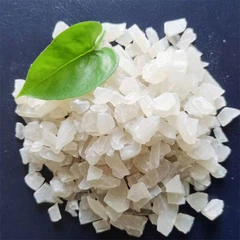
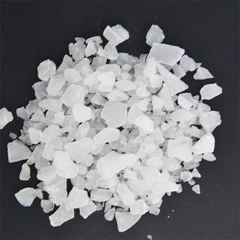
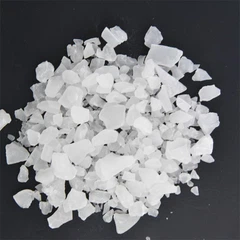
As a supplier of aluminum sulphate flake, I understand the importance of safety when handling this chemical compound. Aluminum sulphate flake, also known as Aluminum Sulphate Flake, is widely used in various industries such as water treatment, paper manufacturing, and textile dyeing. However, it can pose certain risks if not handled properly. In this blog post, I will share some essential safety precautions that should be followed when dealing with aluminum sulphate flake.
Personal Protective Equipment (PPE)
One of the first steps in ensuring safety when handling aluminum sulphate flake is to wear appropriate personal protective equipment. This includes:
- Gloves: Chemical-resistant gloves are a must. They protect your hands from direct contact with the flake, which can cause skin irritation or burns. Nitrile or neoprene gloves are good choices as they offer excellent resistance to chemicals.
- Safety Goggles: To prevent eye contact, safety goggles should be worn at all times. Aluminum sulphate flake can cause severe eye damage if it comes into contact with the eyes.
- Respirator: When handling the flake in an environment where dust may be generated, a respirator is necessary. A NIOSH-approved particulate respirator can help filter out the dust particles, reducing the risk of inhalation.
- Protective Clothing: Wear long-sleeved shirts and long pants to cover your skin and minimize the risk of exposure. Additionally, consider wearing a chemical-resistant apron for extra protection.
Storage
Proper storage of aluminum sulphate flake is crucial to prevent accidents and ensure its stability. Here are some storage guidelines:
- Keep in a Cool, Dry Place: Store the flake in a well-ventilated area away from heat sources and direct sunlight. High temperatures can cause the chemical to decompose or react with other substances.
- Separate from Incompatible Materials: Aluminum sulphate flake should be kept away from strong bases, alkalis, and reducing agents. These substances can react with aluminum sulphate, leading to the release of heat, gases, or even explosions.
- Use Appropriate Containers: Store the flake in tightly sealed containers made of materials that are resistant to corrosion, such as plastic or stainless steel. This helps prevent leakage and contamination.
Handling Procedures
When handling aluminum sulphate flake, it is important to follow proper procedures to minimize the risk of spills and accidents. Here are some tips:
- Avoid Dust Generation: When transferring the flake from one container to another, do it slowly and carefully to prevent the generation of dust. Use a scoop or a funnel to minimize the amount of dust released into the air.
- Clean Up Spills Immediately: In case of a spill, clean it up immediately using appropriate cleaning materials. Wear the necessary PPE and follow the spill response procedures outlined in the safety data sheet.
- Do Not Mix with Other Chemicals: Unless specifically instructed, do not mix aluminum sulphate flake with other chemicals. Mixing can lead to unexpected reactions and pose a safety hazard.
First Aid Measures
Despite taking all the necessary precautions, accidents can still happen. It is important to know the first aid measures in case of exposure to aluminum sulphate flake:
- Skin Contact: If the flake comes into contact with your skin, immediately remove any contaminated clothing and rinse the affected area with plenty of water for at least 15 minutes. Seek medical attention if irritation persists.
- Eye Contact: In case of eye contact, immediately flush the eyes with plenty of water for at least 15 minutes, lifting the upper and lower eyelids occasionally. Seek medical attention immediately.
- Inhalation: If you inhale the dust, move to an area with fresh air. If breathing difficulties persist, seek medical attention.
- Ingestion: Do not induce vomiting if the flake is ingested. Rinse the mouth with water and seek medical attention immediately.
Transportation
When transporting aluminum sulphate flake, it is important to comply with all relevant transportation regulations. Here are some key points to consider:
- Use Approved Containers: The flake should be transported in containers that are approved for the transportation of hazardous materials. These containers should be properly labeled and secured to prevent leakage during transit.
- Follow Shipping Guidelines: Ensure that the transportation is carried out in accordance with the shipping guidelines provided by the relevant authorities. This includes proper packaging, labeling, and documentation.
- Train Drivers and Handlers: Drivers and handlers involved in the transportation of aluminum sulphate flake should be trained on the proper handling and safety procedures. They should be aware of the potential hazards and know how to respond in case of an emergency.
Training and Education
Proper training and education are essential for all employees who handle aluminum sulphate flake. This includes:


- Safety Training: Provide comprehensive safety training to all employees on the proper handling, storage, and transportation of aluminum sulphate flake. The training should cover the potential hazards, safety precautions, and first aid measures.
- Regular Refresher Courses: Conduct regular refresher courses to ensure that employees stay updated on the latest safety procedures and regulations.
- Emergency Response Training: Train employees on how to respond to emergencies such as spills, fires, and explosions. This includes knowing how to use fire extinguishers, emergency showers, and eyewash stations.
Conclusion
In conclusion, handling aluminum sulphate flake requires strict adherence to safety precautions to protect the health and safety of workers and the environment. By wearing appropriate PPE, storing the flake properly, following correct handling procedures, knowing the first aid measures, complying with transportation regulations, and providing adequate training and education, the risks associated with handling aluminum sulphate flake can be minimized.
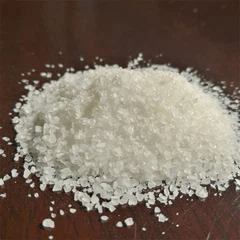
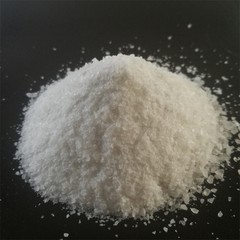
If you are interested in purchasing Aluminum Sulphate Flake, Aluminium Sulphate Octadecahydrate, or Aluminum Sulfate Iron Free Grade Fine Powder Type 0 - 1mm, please feel free to contact us for more information and to discuss your specific requirements. We are committed to providing high-quality products and ensuring the safety of our customers throughout the purchasing process.
References
- Safety Data Sheet for Aluminum Sulphate Flake
- Occupational Safety and Health Administration (OSHA) regulations on hazardous chemicals
- Transportation regulations for hazardous materials
Send Inquiry