

What are the side - effects of using industrial aluminum sulphate in agriculture?
Jan 05, 2026
Leave a message
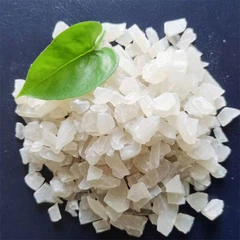
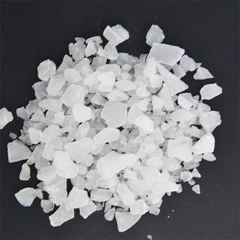
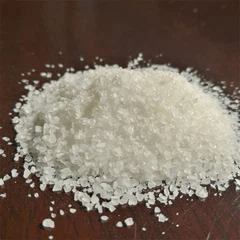
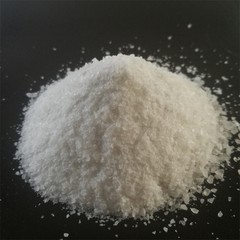
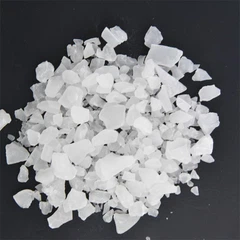
As a supplier of industrial aluminum sulphate, I've seen firsthand the widespread use of this chemical in various industries, including agriculture. Aluminum sulphate, with its chemical formula Al₂(SO₄)₃, is a white crystalline solid that is highly soluble in water. It has multiple applications, such as in water treatment, paper manufacturing, and, of course, agriculture. However, like any chemical substance, it comes with potential side - effects that farmers and agricultural practitioners need to be aware of.
1. Soil Acidification
One of the most significant side - effects of using industrial aluminum sulphate in agriculture is soil acidification. When aluminum sulphate is applied to the soil, it hydrolyzes in water, releasing hydrogen ions (H⁺). The chemical reaction can be represented as follows:
[Al_{2}(SO_{4}){3}+6H{2}O\rightleftharpoons2Al(OH){3}+ 3H{2}SO_{4}]
The sulfuric acid (H₂SO₄) produced during this hydrolysis process is a strong acid. Over time, the continuous addition of aluminum sulphate to the soil can lower the soil pH significantly.
Acidic soils can have several negative impacts on crops. Most plants have an optimal pH range for nutrient uptake. For example, many common crops prefer a slightly acidic to neutral pH (around 6 - 7). When the soil becomes too acidic due to aluminum sulphate application, the availability of essential nutrients such as phosphorus, calcium, and magnesium decreases. Phosphorus forms insoluble compounds with aluminum and iron at low pH, making it less accessible to plants. This can lead to stunted growth, reduced yields, and nutrient deficiencies in crops.
Moreover, soil acidification can also affect soil microorganisms. Many beneficial soil bacteria and fungi that play crucial roles in nutrient cycling, organic matter decomposition, and disease suppression are sensitive to pH changes. A decrease in soil pH can disrupt their activity, further degrading soil fertility and health.


2. Aluminum Toxicity
Industrial aluminum sulphate releases aluminum ions (Al³⁺) into the soil solution as it dissolves. Although aluminum is the third - most abundant element in the Earth's crust, it is normally present in an insoluble form in most soils and is relatively harmless to plants. However, in acidic soils (pH < 5.5), aluminum becomes soluble and can reach toxic levels for plants.
Aluminum toxicity primarily affects the root system of plants. It can inhibit root cell division and elongation, leading to shortened and thickened roots. This reduction in root growth limits the plant's ability to absorb water and nutrients from the soil. As a result, plants may show symptoms such as wilting, yellowing of leaves, and poor overall growth.
Some crops are more sensitive to aluminum toxicity than others. For instance, wheat, barley, and maize are moderately sensitive, while legumes like soybeans are relatively more tolerant. However, even in tolerant crops, high levels of aluminum in the soil can still have a negative impact on yield and quality over time.
3. Impact on Soil Structure
The application of industrial aluminum sulphate can also have an impact on soil structure. In normal conditions, soil particles are held together in aggregates, which provide good porosity and aeration for plant roots. However, the presence of high levels of aluminum can cause soil particles to disperse.
The aluminum ions can displace calcium and magnesium ions that act as binding agents in soil aggregates. When this happens, the soil structure breaks down, resulting in a more compacted soil. Compacted soil has poor water infiltration and drainage properties, which can lead to waterlogging in the field. Waterlogging reduces the oxygen supply to plant roots, causing root suffocation and promoting the growth of anaerobic bacteria that can produce harmful substances to plants.
4. Water Pollution
When using industrial aluminum sulphate in agriculture, there is a risk of water pollution. Excess aluminum sulphate that is not absorbed by the soil or taken up by plants can be washed away by rainwater or irrigation water into nearby water bodies such as rivers, lakes, and ponds.
In the water, the dissolved aluminum can have harmful effects on aquatic life. Aluminum can react with water to form aluminum hydroxide, which can precipitate and cover the bottom of water bodies. This can smother benthic organisms such as invertebrates and fish eggs. Additionally, high levels of dissolved aluminum can be toxic to fish and other aquatic animals. It can damage their gills, making it difficult for them to breathe and absorb oxygen from the water.
Potential Solutions and Mitigations
Despite these side - effects, industrial aluminum sulphate still has its place in agriculture. For example, it can be used to correct soil alkalinity in some cases. To minimize the negative impacts, farmers and agricultural users can take several measures.
First, soil testing is essential before applying aluminum sulphate. By knowing the initial soil pH and nutrient content, the appropriate amount of aluminum sulphate can be determined. This helps to avoid over - application and potential soil acidification.
Second, liming can be used to counteract the acidifying effect of aluminum sulphate. Lime, which is usually calcium carbonate or calcium hydroxide, can neutralize soil acidity and raise the soil pH. By applying lime at the right time and in the right amount, the side - effect of soil acidification can be mitigated.
Third, crop rotation and the use of cover crops can also help improve soil health. Different crops have different nutrient requirements and root systems. Crop rotation can prevent the build - up of specific nutrients and reduce the risk of aluminum toxicity. Cover crops can protect the soil from erosion, improve soil structure, and enhance nutrient cycling.
Our Products and Call to Action
At our company, we supply high - quality industrial aluminum sulphate products, including Aluminum Sulphate Flake. These flakes are easy to handle and dissolve, making them suitable for various agricultural applications. We also offer Iron - Free Aluminum Sulfate Powder For Sewage Treatment, which can be used in agricultural wastewater treatment to remove impurities and pollutants. And our Aluminium Sulfate Water Treatment product is effective in treating water for irrigation purposes.
We understand the importance of using our products responsibly to minimize the side - effects. Our technical team is always ready to provide advice and guidance on the proper use of aluminum sulphate in agriculture. If you are interested in our products or have any questions about their application, please feel free to contact us for further discussion and potential procurement.
References
- Brady, N. C., & Weil, R. R. (2008). The Nature and Properties of Soils. Pearson Prentice Hall.
- Foy, C. D., Chaney, R. L., & White, M. C. (1978). The physiology of metal toxicity in plants. Annual Review of Plant Physiology, 29(1), 511 - 566.
- Marschner, H. (2012). Mineral Nutrition of Higher Plants. Academic Press.
Send Inquiry