

What is the difference between 15.8% aluminum sulphate and aluminum chloride?
Sep 02, 2025
Leave a message
In the realm of chemical compounds, aluminum sulphate and aluminum chloride are two substances that often find themselves in industrial and environmental applications. As a supplier of 15.8% aluminum sulphate, I've encountered numerous inquiries regarding the differences between these two compounds. This blog post aims to shed light on their distinct characteristics, applications, and the implications for various industries.
Chemical Composition and Structure
Let's start with the basics - the chemical composition. Aluminum sulphate, with the chemical formula Al₂(SO₄)₃, is a salt that consists of aluminum cations (Al³⁺) and sulphate anions (SO₄²⁻). The 15.8% aluminum sulphate that I supply typically exists in an aqueous solution or as a hydrated solid, such as Aluminium Sulphate Octadecahydrate [Al₂(SO₄)₃·18H₂O], which you can learn more about here: Aluminium Sulphate Octadecahydrate.
On the other hand, aluminum chloride has the chemical formula AlCl₃. It is composed of aluminum cations (Al³⁺) and chloride anions (Cl⁻). Unlike aluminum sulphate, aluminum chloride is a covalent compound in the gaseous and liquid states, but it forms ionic bonds in the solid state.
Physical Properties
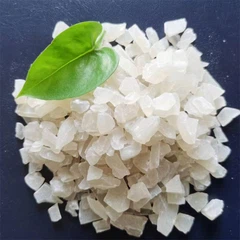
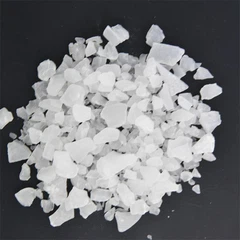
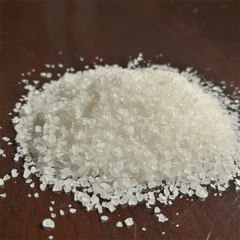
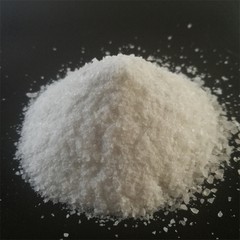
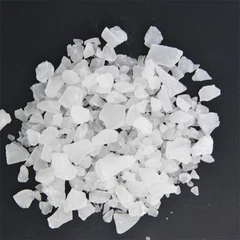
The physical properties of these two compounds are quite different. Aluminum sulphate is usually a white crystalline solid or a colorless liquid in its aqueous form. It has a relatively high solubility in water, which makes it suitable for various applications where a dissolved form is required. For example, our Aluminium Sulphate Liquid is a popular product due to its ease of use and quick dissolution.


Aluminum chloride, in contrast, is a white or yellowish crystalline solid. It has a lower melting point (192.4 °C) compared to aluminum sulphate and is highly hygroscopic, meaning it readily absorbs moisture from the air. This property can make it more challenging to handle and store compared to aluminum sulphate.
Chemical Reactivity
The chemical reactivity of aluminum sulphate and aluminum chloride also varies significantly. Aluminum sulphate is a relatively stable compound under normal conditions. It can react with bases to form aluminum hydroxide precipitates, which is a crucial reaction in water treatment processes. For instance, when added to water containing suspended particles, aluminum sulphate hydrolyzes to form aluminum hydroxide flocs that can trap and remove impurities. Our Iron-Free Aluminum Sulfate Powder For Sewage Treatment is specifically designed for this purpose.
Aluminum chloride, on the other hand, is a strong Lewis acid. It can react vigorously with water, releasing hydrogen chloride gas in the process. This reaction is highly exothermic and can be dangerous if not handled properly. Aluminum chloride is also used as a catalyst in various organic reactions, such as Friedel - Crafts reactions, due to its ability to accept electron pairs.
Applications
The differences in their properties lead to different applications in various industries.
Water Treatment
Aluminum sulphate is widely used in water treatment plants for the purification of drinking water and the treatment of wastewater. Its ability to form flocs helps in the removal of suspended solids, colloids, and some heavy metals from water. It is also used to adjust the pH of water and to remove phosphates, which can cause eutrophication in water bodies.
Aluminum chloride is also used in water treatment, but to a lesser extent. Its strong reactivity and the potential release of hydrogen chloride gas make it less desirable in some cases compared to aluminum sulphate. However, it can be used in specific applications where a more aggressive treatment is required.
Paper Industry
In the paper industry, aluminum sulphate is used as a sizing agent. It helps to improve the water resistance and strength of paper by reacting with rosin size to form an insoluble complex on the paper fibers. It also helps in the retention of fillers and dyes in the paper.
Aluminum chloride is not commonly used in the paper industry due to its corrosive nature and the potential for damage to paper - making equipment.
Textile Industry
Aluminum sulphate is used in the textile industry as a mordant. A mordant is a substance that helps to fix dyes to fabric, improving the color fastness of the dyed fabric. It forms a complex with the dye and the fabric fibers, making the dye more resistant to washing and fading.
Aluminum chloride is rarely used in the textile industry for similar reasons as in the paper industry - its corrosive properties can damage the fabric and the equipment.
Environmental Impact
When considering the environmental impact, aluminum sulphate is generally considered to be less harmful compared to aluminum chloride. Aluminum sulphate has a relatively low toxicity and is biodegradable. However, excessive use of aluminum sulphate in water treatment can lead to an increase in aluminum levels in water, which can have negative effects on aquatic life.
Aluminum chloride, due to its reactivity and the potential release of hydrogen chloride gas, can be more harmful to the environment. It can cause acidification of soil and water if not properly managed.
Cost and Availability
The cost and availability of these two compounds also play a role in their selection for different applications. Aluminum sulphate is generally more widely available and less expensive compared to aluminum chloride. This is due to its relatively simple production process and the abundance of raw materials used in its manufacture.
As a supplier of 15.8% aluminum sulphate, I can offer competitive prices and reliable supply to meet the needs of various industries. Whether you are in the water treatment, paper, or textile industry, our high - quality aluminum sulphate products can provide an effective and cost - efficient solution.
Conclusion
In conclusion, aluminum sulphate and aluminum chloride have distinct differences in their chemical composition, physical properties, chemical reactivity, applications, environmental impact, and cost. Aluminum sulphate, especially the 15.8% solution that I supply, offers a more stable, user - friendly, and cost - effective option for many industrial applications, particularly in water treatment, paper, and textile industries.
If you are interested in learning more about our 15.8% aluminum sulphate products or would like to discuss your specific requirements, I encourage you to reach out for a procurement discussion. Our team of experts is ready to assist you in finding the best solution for your needs.
References
- "Handbook of Chemistry and Physics", CRC Press.
- "Industrial Chemistry", Wiley - VCH.
- "Water Treatment Chemicals: A Guide to Theory and Practice", IWA Publishing.
Send Inquiry