

What is the impact of reagent grade aluminum sulphate on the soil pH when used in agriculture?
May 21, 2025
Leave a message
Hey there! As a supplier of reagent grade aluminum sulphate, I've had a fair share of conversations with farmers and agricultural enthusiasts about the impact of this chemical on soil pH. So, I thought I'd dive into the topic and share what I've learned.
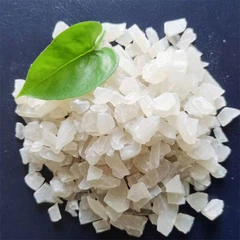
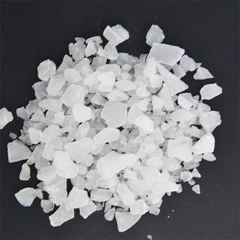
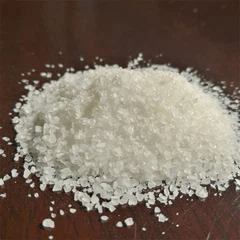
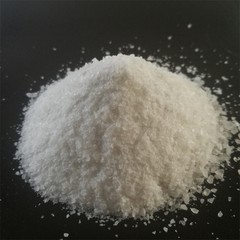
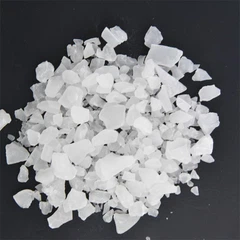
First off, let's talk about what reagent grade aluminum sulphate is. It's a high - purity form of aluminum sulphate that's used in a variety of industries, including agriculture. We offer different forms of it, like Iron Free Aluminum Sulphate Powder, Non Iron Aluminum Sulphate, and Iron Free Aluminum Sulphate Flakes.
Now, let's get to the main question: What's the impact of reagent grade aluminum sulphate on soil pH when used in agriculture? Well, it all boils down to some basic chemistry. When aluminum sulphate is added to the soil, it undergoes a series of reactions. Aluminum ions (Al³⁺) from the aluminum sulphate react with water in the soil. This reaction results in the release of hydrogen ions (H⁺).
The release of hydrogen ions is the key factor here. You see, the pH scale is a measure of the hydrogen ion concentration in a solution. A lower pH value means a higher concentration of hydrogen ions, and the solution is more acidic. So, when reagent grade aluminum sulphate is added to the soil and hydrogen ions are released, the soil becomes more acidic.
For farmers, this can be both a blessing and a curse. Some crops thrive in acidic soil. For example, blueberries, azaleas, and rhododendrons love soil with a lower pH. By adding reagent grade aluminum sulphate to the soil, farmers can create the ideal growing conditions for these acid - loving plants. It can improve the availability of certain nutrients like iron and manganese, which are more soluble in acidic soils. This, in turn, can lead to better plant growth, healthier foliage, and more abundant fruit production.
However, it's not all good news. If the soil already has a low pH, adding more aluminum sulphate can make it too acidic. Excessively acidic soil can have a negative impact on plant health. It can reduce the availability of essential nutrients like calcium, magnesium, and phosphorus. These nutrients are less soluble in acidic conditions, and plants may struggle to take them up. This can lead to nutrient deficiencies, stunted growth, and poor crop yields.
Another concern is the potential toxicity of aluminum ions. At high concentrations in acidic soil, aluminum can become toxic to plants. It can damage the root system, preventing plants from absorbing water and nutrients effectively. This can cause wilting, yellowing of leaves, and ultimately, plant death.
So, how do farmers use reagent grade aluminum sulphate safely and effectively? Well, it all starts with soil testing. Before adding any aluminum sulphate to the soil, farmers should test the soil's current pH and nutrient levels. This will give them a baseline and help them determine how much aluminum sulphate to add.
It's also important to apply the aluminum sulphate gradually. You don't want to shock the soil and plants by adding too much at once. A slow and steady approach allows the soil to adjust and gives plants time to adapt to the changing pH conditions.
In addition, farmers should monitor the soil pH regularly after applying aluminum sulphate. This can be done using simple soil testing kits that are readily available at agricultural supply stores. By keeping an eye on the pH, farmers can make adjustments as needed to ensure that the soil stays within the optimal range for their crops.


As a supplier of reagent grade aluminum sulphate, I've seen firsthand how it can be a valuable tool in agriculture when used correctly. But it's not a one - size - fits - all solution. Every farm is different, and every crop has its own specific needs. That's why it's so important for farmers to do their research, test their soil, and consult with agricultural experts if they have any questions.
If you're a farmer or someone involved in agriculture and you're considering using reagent grade aluminum sulphate, I'd love to help. We've got a wide range of high - quality products, and our team is always ready to answer your questions. Whether you're looking for Iron Free Aluminum Sulphate Powder, Non Iron Aluminum Sulphate, or Iron Free Aluminum Sulphate Flakes, we've got you covered.
If you're interested in learning more or discussing your specific needs, don't hesitate to reach out. We can talk about the best product for your situation, how much to use, and how to apply it safely. Let's work together to help your crops thrive!
References
Brady, N. C., & Weil, R. R. (2002). The nature and properties of soils. Prentice Hall.
Marschner, H. (2012). Mineral nutrition of higher plants. Academic Press.
Send Inquiry