

Can aluminium sulphate fertilizer be used on ornamental plants?
Sep 10, 2025
Leave a message
Hey there! I'm an aluminium sulphate fertilizer supplier, and I often get asked, "Can aluminium sulphate fertilizer be used on ornamental plants?" Well, let's dive right into this topic and find out.
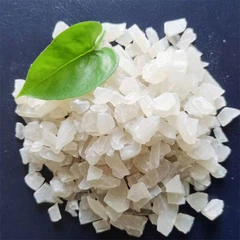
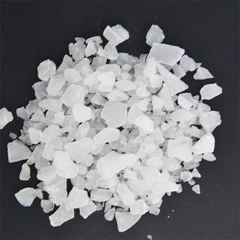
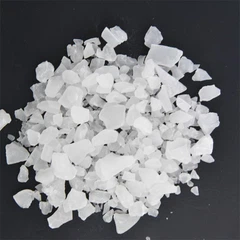
First off, let's talk a bit about what aluminium sulphate fertilizer is. Aluminium sulphate, also known as alum, is a chemical compound that's been used in various industries for ages. In the gardening world, it plays a pretty important role. It's mainly used as a soil amendment, which means it helps change the properties of the soil. You can learn more about this Aluminum Sulfate Soil Amendment.
Now, when it comes to ornamental plants, there are a few key reasons why aluminium sulphate fertilizer can be a great option. One of the main benefits is its ability to lower the pH of the soil. Many ornamental plants, like azaleas, rhododendrons, and hydrangeas, prefer acidic soil. By adding aluminium sulphate to the soil, you can create a more acidic environment that these plants love. This is especially important if you live in an area with naturally alkaline soil.
For example, hydrangeas are a popular ornamental plant, and their flower color can actually be affected by the soil pH. In acidic soil, hydrangeas tend to produce blue flowers, while in alkaline soil, they produce pink flowers. So, if you want those beautiful blue hydrangea blooms, using aluminium sulphate fertilizer can help you achieve that.
Another advantage of using aluminium sulphate fertilizer on ornamental plants is its role in nutrient availability. In acidic soil, certain nutrients like iron, manganese, and zinc become more available to plants. These nutrients are essential for healthy plant growth, including strong root development, vibrant foliage, and abundant flowering. So, by using aluminium sulphate to lower the soil pH, you're not only creating a more suitable environment for your ornamental plants but also ensuring they have access to the nutrients they need.
But, like with any fertilizer, there are also some things to keep in mind when using aluminium sulphate on ornamental plants. One of the main concerns is over - application. Too much aluminium sulphate can lead to an excessive drop in soil pH, which can be harmful to plants. It can also cause an imbalance of nutrients in the soil, leading to problems like aluminium toxicity. Aluminium toxicity can cause stunted growth, yellowing of leaves, and even death in severe cases.
To avoid over - application, it's important to test your soil before adding aluminium sulphate. You can buy a soil testing kit at your local garden center or send a soil sample to a professional laboratory for analysis. Based on the test results, you can determine the appropriate amount of aluminium sulphate to use.
It's also crucial to follow the instructions on the fertilizer package. Different products may have different application rates, so make sure you read and understand the label before using the fertilizer. Generally, it's recommended to apply aluminium sulphate in small amounts over time rather than all at once.
When applying aluminium sulphate fertilizer, it's best to do it in the early spring or fall. This gives the fertilizer time to work its way into the soil before the plants enter their active growth phase. You can apply the fertilizer around the base of the plants and then water it in thoroughly to help it dissolve and reach the roots.
Now, let's talk about the types of ornamental plants that are most likely to benefit from aluminium sulphate fertilizer. As I mentioned earlier, acid - loving plants like azaleas, rhododendrons, and hydrangeas are obvious choices. But there are also other ornamental plants that can thrive in acidic soil. For example, camellias are another popular choice. These beautiful flowering shrubs prefer acidic soil and can benefit from the addition of aluminium sulphate.


Heathers and blueberries are also great candidates. Blueberries, in particular, are known for their love of acidic soil. Using aluminium sulphate can help create the ideal growing conditions for these plants, resulting in larger, sweeter berries.
If you're growing ornamental grasses, some varieties also prefer slightly acidic soil. For instance, Japanese blood grass and purple fountain grass can benefit from a more acidic environment.
In addition to these, many ferns and mosses also thrive in acidic soil. If you have a shaded area in your garden and want to create a lush, green fern or moss garden, using aluminium sulphate can help you achieve that.
As a supplier of Aluminium Sulphate Fertilizer, I've seen firsthand the positive effects that this fertilizer can have on ornamental plants. But I also know that it's important to use it correctly. That's why I always recommend that my customers do their research and follow the best practices for application.
If you're interested in using aluminium sulphate fertilizer on your ornamental plants, I'd be more than happy to help. Whether you have questions about application rates, soil testing, or which plants are most suitable, I'm here to offer my expertise. We have a wide range of high - quality aluminium sulphate fertilizer products that are designed to meet the needs of different gardeners.
Contact me if you're looking to purchase aluminium sulphate fertilizer for your ornamental plants. We can have a chat about your specific requirements and find the best solution for your garden. Whether you're a professional landscaper or a home gardener, we've got you covered.
In conclusion, aluminium sulphate fertilizer can be a great option for ornamental plants, especially those that prefer acidic soil. It can help lower the soil pH, improve nutrient availability, and enhance the overall health and appearance of your plants. However, it's important to use it responsibly and follow the proper application guidelines. With the right approach, you can enjoy beautiful, thriving ornamental plants in your garden.
References
- "The Gardener's Guide to Soil Amendments"
- "Ornamental Plant Care Handbook"
- "Soil Science for Gardeners"
Send Inquiry