

What are the common impurities in reagent grade aluminum sulphate?
Sep 11, 2025
Leave a message
Hey there! As a supplier of reagent grade aluminum sulphate, I've been getting a lot of questions lately about the common impurities in this product. So, I thought I'd take a few minutes to break it down for you.
First off, let's talk about what reagent grade aluminum sulphate is. It's a high - quality form of aluminum sulphate that's used in a variety of industries, including water treatment, paper manufacturing, and chemical synthesis. Because it's used in these critical applications, it's important to understand what impurities might be present.
One of the most common impurities in reagent grade aluminum sulphate is iron. Iron can come from a few different sources. During the manufacturing process, the raw materials used to make aluminum sulphate might contain trace amounts of iron. Also, the equipment used in production can sometimes introduce iron particles. Even a small amount of iron can affect the performance of aluminum sulphate, especially in applications where color is important. For example, in paper manufacturing, iron impurities can cause the paper to have a yellowish tint.
Another impurity is heavy metals such as lead, mercury, and cadmium. These metals are extremely toxic and can have serious health and environmental impacts. They usually find their way into the product through the raw materials. Some of the ores or minerals used to produce aluminum sulphate may contain these heavy metals. In water treatment, if there are heavy metal impurities in the aluminum sulphate, they can end up in the treated water, which is a huge no - no.
Silica is also a common impurity. It can be present in the form of sand or other silicon - containing compounds. Silica can affect the solubility of aluminum sulphate. If there's too much silica, it might cause the aluminum sulphate to form a gel - like substance instead of dissolving properly in water. This can be a real problem in water treatment plants, as it can clog filters and pipes.
Calcium and magnesium are other impurities that can be found in reagent grade aluminum sulphate. These alkaline earth metals can react with other substances in the water or the chemical process. For instance, in water treatment, they can form scale on pipes and equipment over time, reducing the efficiency of the treatment process.
Now, at our company, we take great care to minimize these impurities. We use high - quality raw materials and advanced manufacturing processes. We have strict quality control measures in place to ensure that our reagent grade aluminum sulphate meets the highest standards.


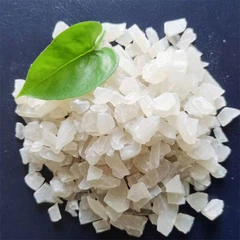
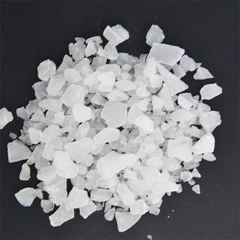
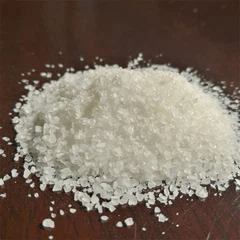
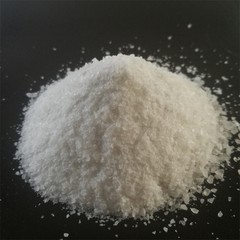
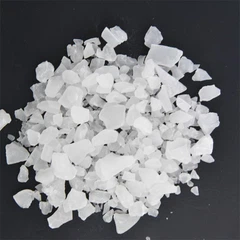
We offer different forms of reagent grade aluminum sulphate, such as 17% Aluminum Sulphate Powder, Iron Free Aluminum Sulphate Powder, and Non Ferric 17% Aluminum Sulphate Flakes. These products are carefully processed to reduce the levels of impurities as much as possible.
Our 17% Aluminum Sulphate Powder is a popular choice for many customers. It has a well - balanced composition and is suitable for a wide range of applications. The Iron Free Aluminum Sulphate Powder is ideal for those who need a product with absolutely no iron content, like in the paper and textile industries. And the Non Ferric 17% Aluminum Sulphate Flakes are great for applications where a flake form is more convenient.
If you're in the market for high - quality reagent grade aluminum sulphate, we'd love to hear from you. Whether you're in the water treatment business, paper manufacturing, or any other industry that uses this product, we can provide you with the right solution. Contact us to start a discussion about your specific requirements. We're here to help you get the best product for your needs.
References
- "Handbook of Chemical Technology and Pollution Control" by James A. Kent
- "Water Treatment Chemicals: Chemistry and Technology" by Peter Gregory
Send Inquiry