

How to recycle aluminum sulphate powder effectively?
Dec 08, 2025
Leave a message
Hey there! I'm a supplier of aluminum sulphate powder, and I've been in this business for quite a while. One question I get asked a lot is how to recycle aluminum sulphate powder effectively. It's not just good for the environment; it can also save you some bucks in the long run. So, let's dive right in and explore some practical ways to recycle this stuff.
Why Recycling Aluminum Sulphate Powder Matters
First off, why should we even bother recycling aluminum sulphate powder? Well, for starters, it's an eco - friendly move. Mining and producing new aluminum sulphate takes a lot of energy and resources. By recycling, we can cut down on the demand for raw materials and reduce the environmental impact associated with production.
Secondly, recycling can be cost - effective. Instead of constantly buying new powder, you can reuse the recycled one, which can lead to significant savings over time. Whether you're a small business or a large industrial operation, those savings can really add up.
Understanding Aluminum Sulphate Powder
Before we get into the recycling methods, let's quickly go over what aluminum sulphate powder is. Aluminum sulphate is a chemical compound that's commonly used in water treatment, paper manufacturing, and even in the production of fire extinguishers. It comes in different forms, like 15.8% Aluminum Sulphate, HS CODE28332200 ALUMINUM SULPHATE, and Aluminium Sulphate Octadecahydrate.
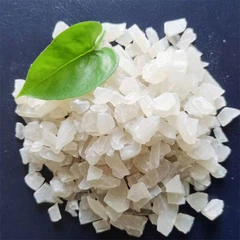
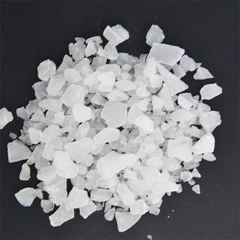
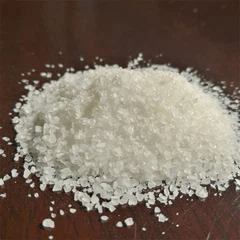
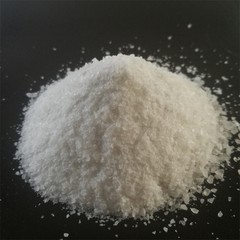
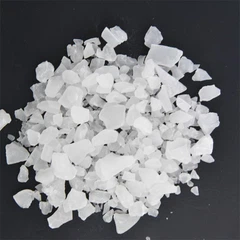
The properties of aluminum sulphate powder can vary depending on its purity and the manufacturing process. It's usually a white or off - white powder that's soluble in water. This solubility is an important factor when it comes to recycling.
Recycling Methods
1. Pre - treatment
The first step in recycling aluminum sulphate powder is pre - treatment. This involves removing any impurities or contaminants from the used powder. For example, if the powder has been used in water treatment, it might contain sediment, organic matter, or other chemicals.
One way to pre - treat the powder is through filtration. You can use a filter with a fine mesh to separate the solid impurities from the powder. This can be done using a simple filtration setup, like a funnel and filter paper in a small - scale operation, or more advanced industrial filtration systems for larger quantities.
Another pre - treatment method is washing. You can wash the powder with water to dissolve any soluble impurities. After washing, you'll need to dry the powder again. This can be done by air - drying or using a low - temperature oven.
2. Chemical Reclamation
Once the powder is pre - treated, you can start the chemical reclamation process. One common method is to react the used aluminum sulphate powder with sulfuric acid. This reaction can help regenerate the aluminum sulphate and remove any unwanted metal ions.
The reaction usually takes place in a reactor vessel. You'll need to carefully control the temperature and the amount of sulfuric acid added. After the reaction is complete, you can separate the regenerated aluminum sulphate from the reaction mixture through processes like crystallization or precipitation.
3. Re - use in Compatible Applications
If the recycled aluminum sulphate powder doesn't meet the high - purity standards for its original application, it can still be re - used in other compatible applications. For example, in some cases, the recycled powder can be used in lower - grade water treatment processes or in the production of certain types of fertilizers.
This approach not only helps to recycle the powder but also extends its useful life. You just need to make sure that the quality of the recycled powder is suitable for the new application.
Challenges in Recycling Aluminum Sulphate Powder
Recycling aluminum sulphate powder isn't without its challenges. One of the main issues is the presence of contaminants. As mentioned earlier, the powder can pick up all sorts of impurities during its use, and removing these impurities completely can be difficult.
Another challenge is the cost of the recycling process. The equipment needed for pre - treatment, chemical reclamation, and quality control can be expensive. Additionally, the energy required to carry out the recycling processes can also add to the overall cost.
Tips for Effective Recycling
To make the recycling process more effective, here are some tips:
- Quality Control: Regularly test the recycled powder to ensure that it meets the required quality standards. This can help you avoid any issues when re - using the powder.
- Proper Storage: Store the used aluminum sulphate powder properly before recycling. Keep it in a dry, cool place to prevent any further contamination or degradation.
- Collaboration: Consider collaborating with other businesses or recycling facilities. By pooling resources, you can share the cost of the recycling equipment and processes.
Conclusion
Recycling aluminum sulphate powder is a great way to be more environmentally friendly and save money. By following the methods and tips outlined above, you can effectively recycle this valuable chemical compound. Whether you're a small business looking to reduce your environmental footprint or a large industrial operation aiming to cut costs, recycling aluminum sulphate powder is a win - win.
If you're interested in purchasing high - quality aluminum sulphate powder or have any questions about recycling, feel free to reach out. We're here to help you with all your aluminum sulphate needs.


References
- Smith, J. (2020). Chemical Recycling Handbook. Publisher Name.
- Johnson, A. (2019). Environmental Impact of Chemical Recycling. Journal of Environmental Science, 15(2), 123 - 135.
Send Inquiry