

Can aluminium sulphate non ferric be used to remove heavy metals from water?
Dec 29, 2025
Leave a message
Can aluminium sulphate non ferric be used to remove heavy metals from water?
As a supplier of aluminium sulphate non ferric, I am often asked about the effectiveness of our product in removing heavy metals from water. In this blog post, I will delve into the science behind this application and explore the potential of aluminium sulphate non ferric as a heavy metal removal agent.
Understanding Heavy Metal Pollution in Water
Heavy metals such as lead, mercury, cadmium, and arsenic are toxic substances that can pose serious health risks to humans and the environment. They can enter water sources through industrial discharges, mining activities, agricultural runoff, and improper waste disposal. Once in the water, heavy metals can accumulate in the food chain, leading to long - term health problems such as organ damage, neurological disorders, and cancer.
How Aluminium Sulphate Non Ferric Works
Aluminium sulphate non ferric, also known as iron - free aluminium sulphate, is a chemical compound with the formula Al₂(SO₄)₃. It is commonly used in water treatment processes due to its coagulating and flocculating properties. When added to water, aluminium sulphate non ferric hydrolyzes to form aluminium hydroxide, which is a sticky, gelatinous substance.
The aluminium hydroxide particles attract and bind to suspended solids, colloids, and heavy metal ions in the water. These bound particles then form larger aggregates called flocs, which can be easily removed through sedimentation or filtration. The process of coagulation and flocculation helps to clarify the water and reduce the concentration of contaminants, including heavy metals.
Mechanisms of Heavy Metal Removal
There are several mechanisms by which aluminium sulphate non ferric can remove heavy metals from water:
Adsorption
Heavy metal ions can be adsorbed onto the surface of the aluminium hydroxide flocs. The surface of the flocs has a large number of active sites that can attract and bind to metal ions through electrostatic forces, ion exchange, and chemical bonding. For example, metal cations can replace hydrogen ions on the surface of the aluminium hydroxide to form metal - hydroxide complexes.
Precipitation
In some cases, aluminium sulphate non ferric can react with heavy metal ions to form insoluble metal hydroxides or other precipitates. For instance, when aluminium sulphate is added to water containing lead ions, it can react with hydroxide ions in the water to form lead hydroxide, which precipitates out of the solution.


Co - precipitation
Heavy metal ions can co - precipitate with the aluminium hydroxide flocs. As the aluminium hydroxide forms and grows, heavy metal ions can become trapped within the floc structure, leading to their removal from the water.
Research and Case Studies
Numerous research studies have investigated the use of aluminium sulphate non ferric for heavy metal removal from water. For example, a study published in the Journal of Environmental Science and Health found that aluminium sulphate was effective in removing lead, cadmium, and zinc from synthetic wastewater. The researchers reported that the removal efficiency increased with increasing dosage of aluminium sulphate and decreasing pH of the water.
In a real - world case study, a water treatment plant in a mining area used aluminium sulphate non ferric to treat water contaminated with heavy metals. The plant reported a significant reduction in the concentration of heavy metals such as copper, nickel, and arsenic after the treatment process. The treated water met the regulatory standards for drinking water quality.
Advantages of Using Aluminium Sulphate Non Ferric
There are several advantages of using aluminium sulphate non ferric for heavy metal removal from water:
Cost - effective
Aluminium sulphate non ferric is relatively inexpensive compared to other heavy metal removal agents. It is widely available and easy to handle, making it a cost - effective option for water treatment.
Easy to use
The addition of aluminium sulphate non ferric to water is a simple process that can be easily incorporated into existing water treatment systems. It does not require complex equipment or extensive training.
Versatile
Aluminium sulphate non ferric can be used to remove a wide range of heavy metals from water, including lead, mercury, cadmium, and arsenic. It can also be used in combination with other treatment processes such as filtration and activated carbon adsorption to enhance the removal efficiency.
Our Products
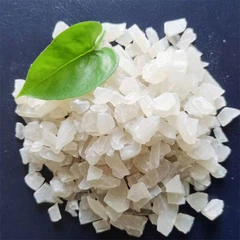
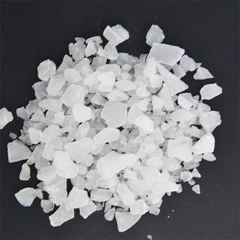
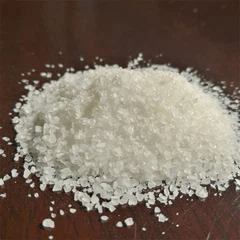
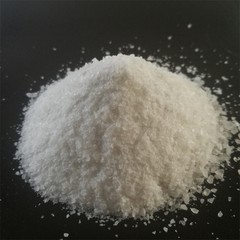
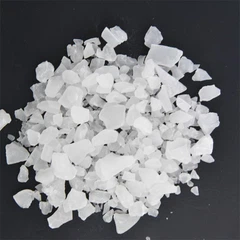
As a supplier of aluminium sulphate non ferric, we offer a range of high - quality products suitable for water treatment applications. Our products include 17% Aluminum Sulphate Powder, Non Ferric 17% Aluminum Sulphate Flakes, and Iron Free Aluminum Sulphate Granules.
These products are manufactured using strict quality control measures to ensure their purity and effectiveness. They are available in different particle sizes and packaging options to meet the specific needs of our customers.
Conclusion
In conclusion, aluminium sulphate non ferric can be an effective agent for removing heavy metals from water. Its coagulating and flocculating properties, along with the mechanisms of adsorption, precipitation, and co - precipitation, make it a viable option for water treatment. Research studies and real - world case studies have demonstrated its effectiveness in reducing the concentration of heavy metals in water.
If you are interested in using aluminium sulphate non ferric for your water treatment needs, we invite you to contact us for more information and to discuss your specific requirements. We are committed to providing high - quality products and excellent customer service to help you achieve your water treatment goals.
References
- Journal of Environmental Science and Health. "Removal of heavy metals from synthetic wastewater using aluminium sulphate."
- Case study: Water treatment plant in a mining area.
Send Inquiry