

Does aluminium sulphate fertilizer help with plant growth?
Oct 16, 2025
Leave a message
Hey there, fellow plant enthusiasts! I'm an aluminium sulphate fertilizer supplier, and I often get asked if aluminium sulphate fertilizer really helps with plant growth. Well, let's dive right into this topic and find out!
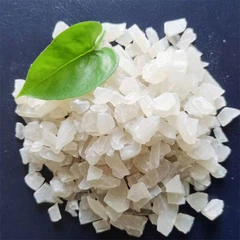
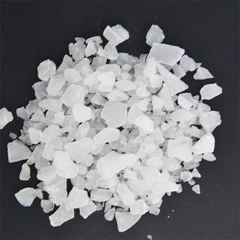
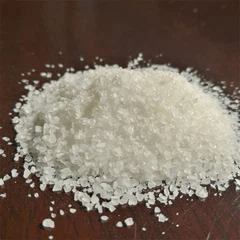
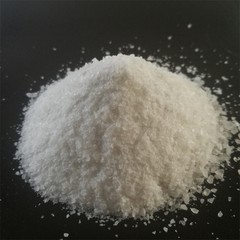
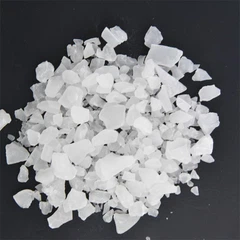
First off, what exactly is aluminium sulphate fertilizer? Aluminium sulphate, also known as alum, is a chemical compound that has been used in the agricultural world for quite some time. You can learn more about it on this page: Aluminium Sulphate Fertilizer. It's a white crystalline solid that's soluble in water, which makes it easy to apply to the soil.


One of the main ways aluminium sulphate fertilizer helps plants is by adjusting the soil's pH level. Most plants have a preferred pH range in which they can best absorb nutrients. Some plants, like blueberries, azaleas, and rhododendrons, thrive in acidic soil. Aluminium sulphate can be used to lower the pH of alkaline soils, making them more acidic and thus more suitable for these acid-loving plants. You can check out Aluminum Sulfate Soil Amendment to understand how it works as a soil amendment.
When the soil pH is within the right range, plants can take up essential nutrients more efficiently. For example, iron is more available to plants in acidic soil. If the soil is too alkaline, plants may suffer from iron deficiency, which can lead to yellowing leaves. By using aluminium sulphate to acidify the soil, we can prevent this kind of nutrient deficiency and keep our plants healthy and green.
Another benefit of aluminium sulphate fertilizer is its role in improving soil structure. In some heavy clay soils, the particles are tightly packed together, which can restrict root growth and water infiltration. Aluminium sulphate can help to flocculate the clay particles, creating larger aggregates. This allows for better aeration and drainage in the soil, giving plant roots more room to grow and access oxygen and water.
However, it's not all sunshine and rainbows. There are some things to be careful about when using aluminium sulphate fertilizer. First of all, over - application can be a problem. If you use too much aluminium sulphate, it can make the soil overly acidic, which can be harmful to plants. Some plants are sensitive to high levels of aluminium in the soil, and excessive aluminium can even be toxic to them. So, it's really important to follow the recommended application rates.
The type of soil also matters. Sandy soils may require less aluminium sulphate compared to clay soils because they have a lower buffering capacity. Before applying the fertilizer, it's a good idea to test your soil's pH and nutrient levels. You can buy a soil testing kit at your local garden center or send a soil sample to a professional laboratory for a more accurate analysis.
Let's talk about how to apply aluminium sulphate fertilizer. It can be applied either as a dry powder or dissolved in water. If you're using it as a dry powder, you can sprinkle it evenly over the soil surface and then work it into the top few inches of soil with a rake or a tiller. If you're dissolving it in water, make sure to follow the instructions on the product label carefully. The solution can be applied around the base of the plants.
Now, let's look at some real - world examples. I've had customers who were struggling to grow blueberries in their alkaline soil. After they started using our aluminium sulphate fertilizer to acidify the soil, they noticed a significant improvement in the health and growth of their blueberry bushes. The plants produced more vibrant foliage and a better crop of berries.
On the other hand, I've also heard from some gardeners who applied too much aluminium sulphate without realizing it. Their plants started to show signs of stress, such as wilting and leaf discoloration. Once they adjusted the application rate and took steps to correct the soil pH, the plants gradually recovered.
In addition to its use in home gardens, aluminium sulphate fertilizer is also used in large - scale agricultural operations. Farmers growing crops like potatoes, tomatoes, and grapes may use it to optimize soil conditions for better yields. It can also be used in landscaping projects to maintain the health of ornamental plants.
So, does aluminium sulphate fertilizer help with plant growth? The answer is yes, but with some caveats. When used correctly, it can be a valuable tool for improving soil conditions and promoting healthy plant growth. But it's important to use it responsibly and understand the needs of your plants and soil.
If you're interested in trying our aluminium sulphate fertilizer for your plants, I'd love to hear from you. Whether you're a small - scale home gardener or a large - scale farmer, we have the right product for you. Feel free to reach out and start a conversation about your specific needs. We can discuss the best application methods and rates for your situation.
References:
- "Soil Fertility and Fertilizers: An Introduction to Nutrient Management"
- "The American Horticultural Society A to Z Encyclopedia of Garden Plants"
Send Inquiry