

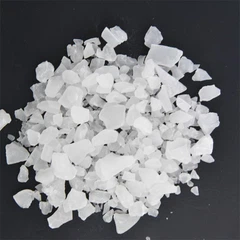
How does 17% aluminum sulphate powder affect the sedimentation rate of suspended solids in water?
Sep 01, 2025
Leave a message
Hey there! As a supplier of 17% aluminum sulphate powder, I've been getting a lot of questions lately about how this stuff affects the sedimentation rate of suspended solids in water. So, I thought I'd sit down and write a blog post to share what I know.
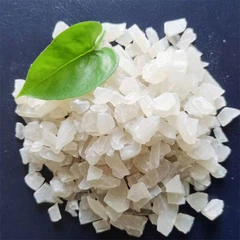
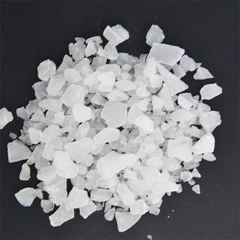
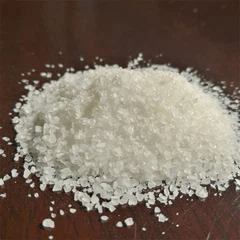
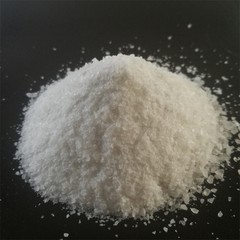
First off, let's talk a bit about what 17% aluminum sulphate powder is. Aluminium sulphate is a chemical compound that's commonly used in water treatment. The "17%" refers to the percentage of aluminum oxide in the powder. This particular formulation is known for its effectiveness in clarifying water by helping to remove suspended solids.
Now, let's dive into how it actually works. When you add 17% aluminum sulphate powder to water, it undergoes a process called hydrolysis. During hydrolysis, the aluminum ions in the powder react with water molecules to form aluminum hydroxide. This aluminum hydroxide is a sticky, gelatinous substance that can attract and bind to suspended solids in the water.
Once the aluminum hydroxide has bound to the suspended solids, these particles start to clump together. This process is called flocculation. As the flocs (the clumps of particles) get larger and heavier, they start to settle to the bottom of the water container. This settling process is what we call sedimentation.
The key here is that the 17% aluminum sulphate powder helps to speed up the sedimentation rate. By promoting flocculation, it allows the suspended solids to form larger and heavier flocs more quickly. These larger flocs settle faster than individual suspended particles, which means that the water can be clarified more rapidly.
There are a few factors that can affect how well the 17% aluminum sulphate powder works to increase the sedimentation rate. One of the most important factors is the pH of the water. Aluminum sulphate works best in a slightly acidic to neutral pH range, typically between 5.5 and 7.5. If the pH is too high or too low, the hydrolysis process may not occur properly, and the flocculation and sedimentation may be less effective.
Another factor is the dosage of the aluminum sulphate powder. Using too little powder may not be enough to cause effective flocculation, while using too much can lead to over - flocculation. Over - flocculation can result in the formation of very fine, hard - to - settle flocs or can even cause the water to become cloudy again. So, it's crucial to find the right dosage for the specific water conditions.
Let's take a look at some real - world applications. In municipal water treatment plants, 17% aluminum sulphate powder is often used to clarify raw water before it goes through further treatment processes. By speeding up the sedimentation of suspended solids, it reduces the load on subsequent filtration systems, making the overall treatment process more efficient.
In industrial settings, such as mining or paper manufacturing, where large volumes of water are used and need to be treated, 17% aluminum sulphate powder can also play a vital role. It helps to remove solids from the process water, allowing the water to be reused or safely discharged.
If you're interested in the different types of aluminum sulphate products we offer, check out our Iron Free Aluminum Sulphate Powder and Aluminium Sulphate Non Ferric. Of course, our Aluminium Sulphate 17 is the star of the show when it comes to improving sedimentation rates.
In conclusion, 17% aluminum sulphate powder is a powerful tool for increasing the sedimentation rate of suspended solids in water. It promotes flocculation, which in turn speeds up the settling process. However, getting the best results requires careful consideration of factors like water pH and dosage.
If you're in the market for high - quality 17% aluminum sulphate powder for your water treatment needs, I'd love to talk to you. Whether you're a small business or a large industrial operation, we can provide the right product and advice to help you achieve the best water clarification results. Reach out to us to start a discussion about your requirements.


References
- AWWA Manual M22: Water Treatment Plant Design. American Water Works Association.
- "Water Quality and Treatment" by Letterman, Richard D.
Send Inquiry