

What are the transportation requirements for ferric aluminium sulphate?
Sep 01, 2025
Leave a message
As a supplier of ferric aluminium sulphate, I understand the critical role that transportation plays in ensuring the product reaches our customers in optimal condition. Ferric aluminium sulphate, a widely used chemical in various industries such as water treatment, paper manufacturing, and textile dyeing, has specific transportation requirements that must be carefully considered to maintain its quality and safety.
Physical and Chemical Properties
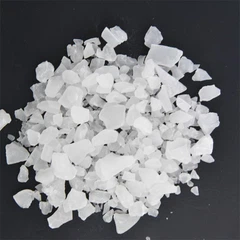
Before delving into the transportation requirements, it is essential to understand the physical and chemical properties of ferric aluminium sulphate. It is typically a yellowish - brown solid, soluble in water. It has a moderately acidic nature, which can cause corrosion to certain materials over time. This chemical is hygroscopic, meaning it has a tendency to absorb moisture from the air, which can lead to caking and affect its quality.
Packaging
The first step in proper transportation is appropriate packaging. Ferric aluminium sulphate should be packed in high - quality containers that can withstand the rigors of transportation. For small - scale shipments, it is often packed in polyethylene - lined bags. These bags provide a barrier against moisture and prevent the product from coming into contact with the external environment. The bags should be sealed tightly to avoid any leakage during transit.
For larger shipments, it can be stored in bulk containers made of materials like stainless steel or fiberglass. These containers are resistant to corrosion and can hold large volumes of the product safely. The containers should be labeled clearly with all the necessary information, including the product name, chemical composition, hazard warnings, and handling instructions.


Storage Conditions During Transportation
During transportation, the storage conditions are crucial. Ferric aluminium sulphate should be stored in a dry and cool place. High temperatures can accelerate chemical reactions and may cause the product to degrade. If the product is exposed to excessive heat, it can lead to the release of acidic fumes, which are not only harmful to the environment but also pose a safety risk to the transportation personnel.
Moisture is another enemy of ferric aluminium sulphate. As mentioned earlier, it is hygroscopic. If it absorbs too much moisture, it can form lumps, which can be difficult to handle and may affect its performance when used in various applications. Therefore, the transportation vehicles should be well - sealed to prevent any water from entering. In case of long - distance transportation, it may be necessary to use desiccants inside the storage containers to absorb any moisture that may accumulate.
Handling During Loading and Unloading
Proper handling during loading and unloading is essential to prevent any damage to the product and ensure the safety of the workers. Workers should be trained on how to handle ferric aluminium sulphate safely. They should wear appropriate personal protective equipment (PPE), such as gloves, goggles, and protective clothing, to avoid direct contact with the product.
When loading the product, it should be done carefully to avoid any spills or breakage of the containers. Forklifts or other lifting equipment should be used to move the containers, and they should be placed in a stable position inside the transportation vehicle. During unloading, the same level of care should be taken. The product should be unloaded in a clean and dry area, and any damaged containers should be identified and dealt with immediately.
Regulatory Compliance
Transporting ferric aluminium sulphate is subject to various regulations. Different countries and regions have their own set of rules regarding the transportation of chemicals. These regulations cover aspects such as packaging standards, labeling requirements, and safety procedures. As a supplier, it is our responsibility to ensure that all shipments comply with these regulations.
We need to obtain all the necessary permits and documentation before transporting the product. This includes safety data sheets (SDS), which provide detailed information about the product's properties, hazards, and handling procedures. The SDS should be provided to the transportation company and the receiving party to ensure that everyone is aware of the potential risks associated with the product.
Transportation Modes
There are several transportation modes available for ferric aluminium sulphate, each with its own advantages and disadvantages.
Road Transportation
Road transportation is one of the most common methods. It offers flexibility in terms of delivery locations, as trucks can reach almost any destination. However, it is important to choose a reliable transportation company with experience in transporting chemicals. The trucks should be equipped with appropriate safety features, such as spill containment systems and fire - fighting equipment.
Rail Transportation
Rail transportation is suitable for large - scale shipments over long distances. It is generally more cost - effective than road transportation for bulk quantities. However, the loading and unloading processes at the rail terminals require proper facilities and handling equipment. Railcars used for transporting ferric aluminium sulphate should be specially designed to prevent leakage and corrosion.
Sea Transportation
For international shipments, sea transportation is often the preferred option. Shipping containers can be used to transport the product safely across the ocean. However, sea transportation involves longer transit times, and the product needs to withstand the harsh marine environment. The containers should be properly secured on the ship to prevent any movement during rough seas.
Our Product Range
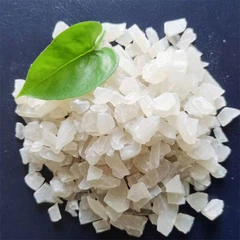
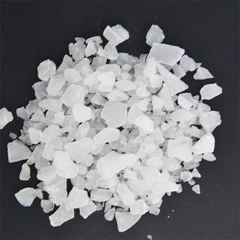
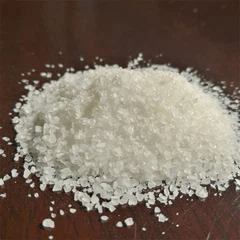
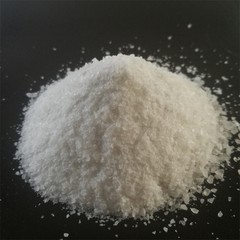
We offer a variety of related products that are also available for transportation. You can check out our Aluminum Sulphate Flake, Aluminum Sulfate Iron Free Grade Fine Powder Type 0 - 1mm, and Granular Aluminum Sulfate. These products also follow similar transportation requirements to ensure their quality and safety during transit.
Conclusion
In conclusion, the transportation of ferric aluminium sulphate requires careful planning and adherence to strict guidelines. From proper packaging and storage conditions to regulatory compliance and safe handling, every aspect needs to be considered to ensure that the product reaches our customers in the best possible condition.
If you are interested in purchasing ferric aluminium sulphate or any of our related products, we invite you to contact us for further discussions. We are committed to providing high - quality products and reliable transportation services to meet your needs.
References
- Chemical Safety Data Sheets for Ferric Aluminium Sulphate
- International Maritime Dangerous Goods (IMDG) Code
- Department of Transportation (DOT) Regulations for Chemical Transportation
Send Inquiry