

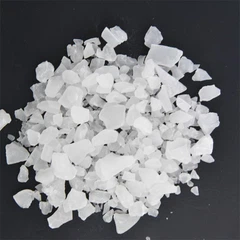
How does aluminum sulfate in drinking water interact with dissolved gases?
May 12, 2025
Leave a message
As a leading supplier of aluminum sulfate for drinking water, I've delved deep into the fascinating world of water treatment. One aspect that often goes unnoticed but is of great significance is the interaction between aluminum sulfate and dissolved gases in drinking water. This interaction can have far - reaching implications for water quality, treatment efficiency, and the overall safety of the water we consume.
The Role of Aluminum Sulfate in Drinking Water Treatment
Aluminum sulfate, also known as alum, is a widely used coagulant in drinking water treatment. Its primary function is to remove suspended particles, such as dirt, clay, and organic matter, from the water. When added to water, aluminum sulfate hydrolyzes to form aluminum hydroxide flocs. These flocs attract and entrap the suspended particles, causing them to settle out of the water during the sedimentation process. This initial step in water treatment is crucial for improving water clarity and reducing the presence of contaminants that could harbor harmful microorganisms.
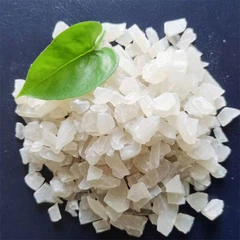
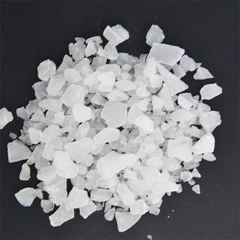
The link Aluminum Sulphate for Drinking Water Treatment provides more detailed information on how our high - quality aluminum sulfate is specifically formulated for this essential water treatment process.

Dissolved Gases in Drinking Water
Drinking water typically contains several dissolved gases, including oxygen (O₂), carbon dioxide (CO₂), nitrogen (N₂), and sometimes trace amounts of other gases such as hydrogen sulfide (H₂S). These gases can enter the water from various sources. For example, oxygen can dissolve from the atmosphere when water is exposed to air, while carbon dioxide can be released by the decomposition of organic matter or enter the water from the surrounding soil.
Each dissolved gas plays a unique role in the water. Oxygen is essential for the survival of aquatic organisms and can also influence the oxidation - reduction reactions in the water. Carbon dioxide affects the pH of the water and can cause corrosion in water distribution systems if present in high concentrations. Nitrogen is relatively inert but can displace other gases in some situations.
Interaction Mechanisms
Interaction with Oxygen
The presence of aluminum sulfate can influence the oxygen levels in drinking water. During the coagulation process, the formation of aluminum hydroxide flocs can physically entrap oxygen molecules. This can lead to a temporary decrease in the dissolved oxygen (DO) levels in the water. Additionally, the hydrolysis of aluminum sulfate is an exothermic reaction, which can increase the water temperature slightly. Since the solubility of oxygen decreases with increasing temperature, this can further contribute to a reduction in DO levels.
However, this decrease in DO is usually short - lived. Once the flocs settle out and the water is aerated during subsequent treatment steps, the DO levels can be restored. Maintaining appropriate DO levels is crucial for preventing the growth of anaerobic bacteria, which can produce unpleasant odors and potentially harmful substances in the water.
Interaction with Carbon Dioxide
Aluminum sulfate can react with carbon dioxide in water. The hydrolysis of aluminum sulfate produces hydrogen ions (H⁺), which can react with the bicarbonate ions (HCO₃⁻) formed from the dissolution of carbon dioxide in water. This reaction can lead to a decrease in the alkalinity of the water and an increase in the carbon dioxide partial pressure.

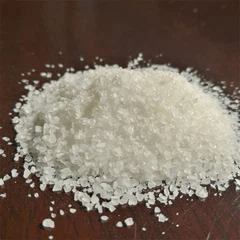
If the carbon dioxide levels are not properly controlled, it can cause the water to become more acidic, which can have negative effects on the water distribution system, such as corrosion of pipes. Our Textile Waste Water Treatment Aluminum Sulphate also takes into account these complex chemical interactions to ensure effective treatment across different water sources.
Interaction with Nitrogen
Nitrogen is relatively unreactive with aluminum sulfate under normal drinking water treatment conditions. However, in some cases, the presence of aluminum hydroxide flocs can cause nitrogen bubbles to adhere to them. This can potentially affect the sedimentation process, as the buoyancy provided by the nitrogen bubbles may prevent the flocs from settling properly.
Interaction with Hydrogen Sulfide
Hydrogen sulfide is a common dissolved gas in some water sources, especially those with high organic content or in contact with sulfur - containing minerals. Aluminum sulfate can react with hydrogen sulfide to form aluminum sulfide, which is insoluble and can precipitate out of the water. This reaction is beneficial as it helps to remove the unpleasant odor associated with hydrogen sulfide and reduces the potential for the formation of sulfur - related compounds that can be harmful to human health.
Implications for Water Quality and Treatment
The interaction between aluminum sulfate and dissolved gases has several implications for water quality and treatment. Firstly, the changes in dissolved gas levels can affect the taste and odor of the water. For example, a decrease in oxygen levels or an increase in carbon dioxide levels can make the water taste flat or sour.
Secondly, these interactions can influence the efficiency of the water treatment process. If the sedimentation process is affected by the presence of nitrogen bubbles or if the pH is not properly controlled due to the reaction with carbon dioxide, it can lead to incomplete removal of contaminants.
Lastly, the long - term effects on the water distribution system need to be considered. Corrosion caused by changes in pH and dissolved gas levels can lead to the release of metals such as lead and copper into the water, posing a significant health risk to consumers.
Importance of Monitoring and Control
To ensure the safety and quality of drinking water, it is essential to monitor and control the interaction between aluminum sulfate and dissolved gases. This can be achieved through regular water quality testing, including measurements of dissolved gas levels, pH, and alkalinity. Based on the test results, adjustments can be made to the dosage of aluminum sulfate and the treatment process parameters.
For example, if the DO levels are too low after the addition of aluminum sulfate, additional aeration can be introduced to increase the oxygen content. If the pH is too low due to the reaction with carbon dioxide, alkalinity can be adjusted by adding appropriate chemicals.

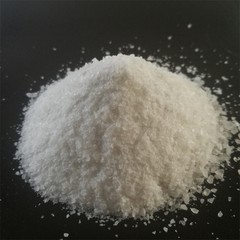
Our Drilling Fluids Water Treatment Aluminum Sulfate products are formulated with strict quality control measures to minimize any negative impacts on water quality and to ensure optimal interaction with dissolved gases.
Conclusion and Call to Action
In conclusion, the interaction between aluminum sulfate and dissolved gases in drinking water is a complex but crucial aspect of water treatment. Understanding these interactions can help us optimize the water treatment process, improve water quality, and ensure the safety of the water we consume.
As a trusted supplier of aluminum sulfate for drinking water, we are committed to providing high - quality products and technical support to our customers. Whether you are a water treatment plant operator, an environmental engineer, or involved in any related industry, we invite you to contact us for more information on our products and to discuss your specific water treatment needs. Our team of experts is ready to assist you in finding the best solutions for your water treatment challenges.
References
- AWWA (American Water Works Association). Water Quality and Treatment: A Handbook of Community Water Supplies. McGraw - Hill Professional.
- Stumm, W., & Morgan, J. J. (1996). Aquatic Chemistry: Chemical Equilibria and Rates in Natural Waters. Wiley - Interscience.
- USEPA (United States Environmental Protection Agency). Drinking Water Regulations and Health Advisories.
Send Inquiry