

How does ferric aluminium sulphate protect metal surfaces from corrosion?
Jun 16, 2025
Leave a message
Hey there! As a ferric aluminium sulphate supplier, I've been getting a lot of questions lately about how this amazing compound can protect metal surfaces from corrosion. So, I thought I'd sit down and write a blog post to share some insights with you.
First off, let's talk about what corrosion is. Corrosion is basically the deterioration of a metal due to chemical reactions with its environment. It can lead to all sorts of problems, like reduced strength, leaks, and even structural failures. That's why it's so important to protect metal surfaces from corrosion, especially in industries where metal is used extensively, like construction, automotive, and manufacturing.
So, how does ferric aluminium sulphate come into play? Well, ferric aluminium sulphate is a compound that contains iron, aluminium, and sulphate ions. When it's applied to a metal surface, it forms a protective layer that acts as a barrier between the metal and the environment. This layer helps to prevent oxygen, water, and other corrosive agents from coming into contact with the metal, which in turn reduces the rate of corrosion.


One of the key ways that ferric aluminium sulphate protects metal surfaces is by promoting the formation of a passive film. A passive film is a thin layer of oxide that forms on the surface of the metal, which helps to prevent further oxidation and corrosion. Ferric aluminium sulphate contains iron ions, which can react with oxygen in the air to form iron oxide. This iron oxide then combines with the aluminium and sulphate ions in the compound to form a stable, protective layer on the metal surface.
Another way that ferric aluminium sulphate protects metal surfaces is by altering the pH of the environment around the metal. Corrosion is often more likely to occur in acidic environments, so by increasing the pH of the environment, ferric aluminium sulphate can help to reduce the rate of corrosion. The sulphate ions in the compound can react with water to form sulphuric acid, which can then react with metal ions to form metal sulphates. These metal sulphates can help to buffer the pH of the environment, making it less acidic and less corrosive.
In addition to forming a protective layer and altering the pH of the environment, ferric aluminium sulphate can also help to inhibit the growth of bacteria and other microorganisms on metal surfaces. Bacteria and other microorganisms can produce acids and other corrosive substances, which can accelerate the rate of corrosion. By inhibiting the growth of these microorganisms, ferric aluminium sulphate can help to reduce the amount of corrosion that occurs on metal surfaces.
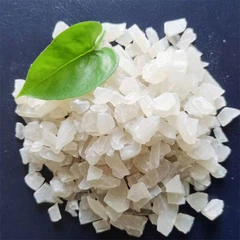
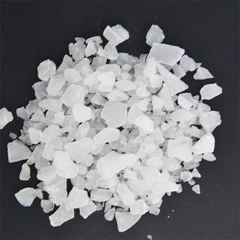
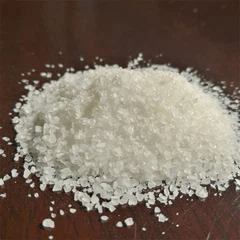
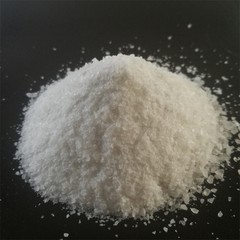
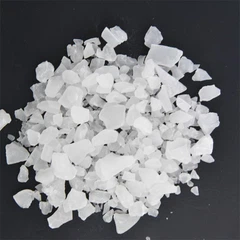
Now that we've talked about how ferric aluminium sulphate protects metal surfaces from corrosion, let's take a look at some of the different forms that it comes in. As a supplier, I offer Ferric Aluminium Sulphate in a variety of forms, including Aluminum Sulphate Powder and Granular Aluminum Sulfate.
Aluminum sulphate powder is a fine, white powder that is easy to dissolve in water. It's often used in applications where a high degree of solubility is required, such as in water treatment and metal finishing. Granular aluminum sulfate, on the other hand, is a larger, more coarse-grained form of the compound. It's often used in applications where a slower release of the compound is desired, such as in soil conditioning and agriculture.
So, if you're looking for a way to protect your metal surfaces from corrosion, I highly recommend considering ferric aluminium sulphate. It's a cost-effective, environmentally friendly, and easy-to-use solution that can help to extend the lifespan of your metal products and reduce the need for costly repairs and replacements.
If you're interested in learning more about our ferric aluminium sulphate products or would like to discuss your specific needs with one of our experts, please don't hesitate to get in touch. We're always happy to help and look forward to working with you to find the best solution for your corrosion protection needs.
References
- Smith, J. (2018). Corrosion Prevention and Control. CRC Press.
- Jones, R. (2019). Metal Corrosion: Mechanisms and Prevention. Elsevier.
- Brown, S. (2020). The Chemistry of Corrosion Inhibitors. Royal Society of Chemistry.
Send Inquiry