

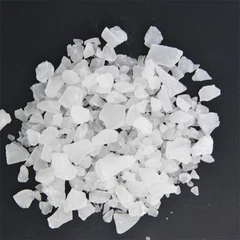
How does ferric aluminium sulphate react with oxidizing agents?
Jun 27, 2025
Leave a message
Hey there! As a supplier of ferric aluminium sulphate, I've gotten tons of questions about how this stuff reacts with oxidizing agents. So, I thought I'd sit down and write this blog to clear up some of the confusion and share what I know.
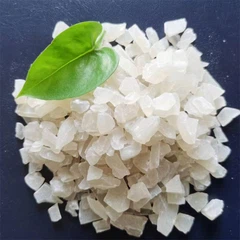
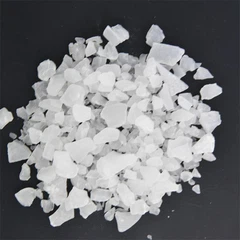
First off, let's talk a bit about ferric aluminium sulphate. It's a compound that's used in a bunch of different industries, like water treatment and paper manufacturing. You can check out more about it on our website: Ferric Aluminium Sulphate. It's got a CAS number of CAS 10043 - 01 - 3, which is like its unique ID in the chemical world.
Now, onto the main topic: how does ferric aluminium sulphate react with oxidizing agents? Oxidizing agents are substances that can accept electrons from other substances, causing oxidation. In the case of ferric aluminium sulphate, the reaction depends on a few factors, like the type of oxidizing agent, the reaction conditions (temperature, pressure, etc.), and the concentration of the reactants.
One common oxidizing agent is hydrogen peroxide (H₂O₂). When ferric aluminium sulphate reacts with hydrogen peroxide, it can lead to the oxidation of some of its components. The iron in ferric aluminium sulphate exists in the +3 oxidation state. In the presence of hydrogen peroxide, under certain conditions, the peroxide can act as an oxidant and cause further oxidation reactions. The reaction might involve the formation of hydroxyl radicals (·OH), which are highly reactive species. These hydroxyl radicals can then react with other substances in the solution, leading to various chemical changes.
Another oxidizing agent is potassium permanganate (KMnO₄). When ferric aluminium sulphate reacts with potassium permanganate, a redox reaction occurs. The permanganate ion (MnO₄⁻) in potassium permanganate is a strong oxidizing agent. It can oxidize the iron or other components in ferric aluminium sulphate. The manganese in the permanganate ion gets reduced from the +7 oxidation state to a lower oxidation state, usually +2 (Mn²⁺), while the iron or other substances in ferric aluminium sulphate get oxidized. The reaction is often accompanied by a color change. The purple color of the potassium permanganate solution fades as the reaction progresses, indicating the reduction of the permanganate ion.
The reaction mechanism is quite complex. It involves the transfer of electrons between the oxidizing agent and the components of ferric aluminium sulphate. For example, in the reaction with potassium permanganate, the transfer of electrons from the iron or other reducing species in ferric aluminium sulphate to the permanganate ion leads to the formation of new compounds.
The products of these reactions can be useful in different applications. In water treatment, for example, the reactions of ferric aluminium sulphate with oxidizing agents can help in the removal of contaminants. The oxidation reactions can break down organic pollutants, making them easier to remove from the water. The formation of new compounds during the reaction can also help in the coagulation and flocculation processes, which are important for separating suspended particles from the water.


In the paper manufacturing industry, the reactions with oxidizing agents can have an impact on the properties of the paper. The oxidation reactions can modify the surface properties of the paper fibers, improving the paper's strength, brightness, and other characteristics.
Now, let's talk about some of the practical considerations when using ferric aluminium sulphate with oxidizing agents. Safety is a big deal. Oxidizing agents are often reactive and can be dangerous if not handled properly. You need to follow strict safety protocols when working with them. Make sure to wear appropriate protective equipment, like gloves and goggles, and work in a well - ventilated area.
The reaction conditions also need to be carefully controlled. Temperature plays a crucial role. Higher temperatures can speed up the reaction rate, but they can also lead to side reactions or the decomposition of the reactants or products. Pressure can also affect the reaction, although in most common applications, the reactions are carried out at atmospheric pressure.
The concentration of the reactants is another important factor. If the concentration of the oxidizing agent is too high, it can cause over - oxidation, which might lead to unwanted products or damage to the equipment. On the other hand, if the concentration is too low, the reaction might not proceed effectively.
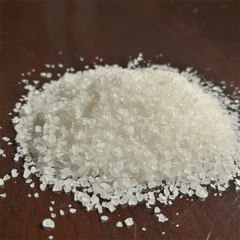
We also offer Granular Aluminum Sulfate, which is related to ferric aluminium sulphate. Granular aluminum sulfate has its own set of properties and applications. It can also react with oxidizing agents in a similar way to ferric aluminium sulphate, although the reaction rates and products might be slightly different due to its physical form and composition.
If you're interested in using ferric aluminium sulphate in combination with oxidizing agents for your specific application, whether it's water treatment, paper manufacturing, or something else, we're here to help. We can provide you with high - quality ferric aluminium sulphate and offer technical support to ensure that you get the best results from the reactions. Our team of experts has extensive knowledge and experience in the field, and we can answer all your questions about the reactions and applications.
If you have any questions or want to discuss potential purchases, feel free to reach out. We're always happy to have a chat and see how we can work together to meet your needs. Whether you're a small business or a large industrial company, we can provide you with the right amount of ferric aluminium sulphate and advice on using it with oxidizing agents.
In conclusion, the reaction of ferric aluminium sulphate with oxidizing agents is a fascinating area of chemistry. It has many practical applications in different industries. By understanding the reaction mechanisms and the factors that affect the reactions, we can make the most of these reactions for various purposes. So, if you're in the market for ferric aluminium sulphate or have questions about its reactions with oxidizing agents, don't hesitate to get in touch.
References
- Atkins, P., & de Paula, J. (2006). Physical Chemistry. Oxford University Press.
- Brown, T. L., LeMay, H. E., & Bursten, B. E. (2006). Chemistry: The Central Science. Pearson Prentice Hall.
Send Inquiry