

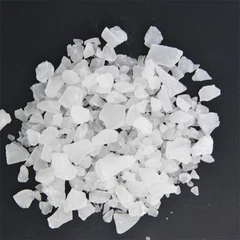
What are the applications of aluminum sulphate flake in the paint industry?
Jun 27, 2025
Leave a message
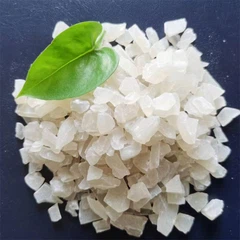
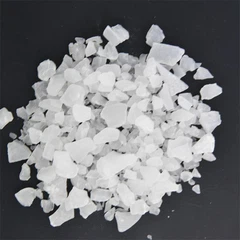
Hey there! As a supplier of aluminum sulphate flakes, I'm super stoked to dive into the applications of this nifty compound in the paint industry. Aluminum sulphate flakes, with their unique chemical properties, play a variety of crucial roles that enhance the quality and performance of paints. Let's take a closer look at how this works.
Pigment Dispersion
One of the key applications of aluminum sulphate flakes in the paint industry is pigment dispersion. When you're making paint, you want all those colorful pigments to be evenly spread out throughout the paint matrix. Aluminum sulphate helps with this by acting as a dispersing agent.
You see, pigments tend to clump together due to electrostatic forces between their particles. Aluminum sulphate, with its charged ions, can neutralize these forces. It adsorbs onto the surface of the pigment particles, creating a sort of protective layer. This layer prevents the pigments from aggregating and ensures that they remain uniformly dispersed in the paint.
For example, in a water - based paint, where the dispersion of pigments can be a bit tricky, aluminum sulphate can make a huge difference. It helps the paint achieve a more consistent color and better hiding power. When you apply the paint on a surface, you won't end up with patches of different colors or uneven coverage. This is especially important for high - quality paints used in architectural or automotive applications. You can learn more about the industrial - grade options like Industrial Aluminum Sulphate which are often used for such purposes.
Rheology Control
Rheology is all about how a fluid flows and deforms under stress. In the paint industry, controlling the rheology of paint is essential. You want the paint to flow easily when you're applying it, but once it's on the surface, you don't want it to drip or run.
Aluminum sulphate can act as a rheology modifier. It can increase the viscosity of the paint in a controlled way. When added to the paint formulation, it forms weak cross - links between the polymer molecules in the paint binder. These cross - links make the paint thicker, but still allow it to flow under the shear stress applied during brushing, rolling, or spraying.
Once the shear stress is removed, the paint thickens up again, preventing it from dripping. This is particularly useful in paints for vertical surfaces. For instance, when painting the walls of a building, you don't want the paint to start running down the wall as soon as you apply it. Aluminum sulphate helps in achieving that perfect balance of flow and stability.
pH Regulation
Maintaining the right pH level in paint is crucial for its stability and performance. Aluminum sulphate can act as a pH regulator. In most paint formulations, a slightly acidic to neutral pH is preferred.
The hydrolysis of aluminum sulphate in water releases hydrogen ions, which can lower the pH of the paint system. This is important because many of the components in paint, such as pigments and binders, have optimal performance within a certain pH range.
If the pH is too high, the paint may become unstable, leading to issues like flocculation of pigments or degradation of the binder. On the other hand, if the pH is too low, it can cause corrosion of the paint container or affect the adhesion of the paint to the surface. By adding the right amount of aluminum sulphate, you can keep the pH in the sweet spot, ensuring the paint remains stable and performs well over time. You can find more information about the chemical properties of CAS 10043 - 01 - 3, which is the CAS number for aluminum sulphate.


Coating Formation and Durability
Aluminum sulphate can also contribute to the formation of a durable coating. When the paint dries, the aluminum sulphate can react with other components in the paint to form a more robust and resistant film.
It can enhance the adhesion of the paint to the substrate. By improving the interaction between the paint and the surface, it helps the paint stick better, reducing the chances of peeling or flaking. This is vital for paints used in harsh environments, such as exterior paints that are exposed to the elements.
In addition, the presence of aluminum sulphate can improve the chemical resistance of the paint. It can make the paint more resistant to acids, alkalis, and other chemicals. For example, in industrial settings where the painted surfaces may come into contact with various chemicals, a paint with aluminum sulphate in its formulation will last longer and maintain its appearance.
Specialty Paints
There are also some specialty paints where aluminum sulphate has unique applications. For example, in anti - corrosion paints, aluminum sulphate can help in the formation of a passive layer on the metal surface. This layer acts as a barrier, preventing the metal from coming into contact with oxygen and moisture, which are the main causes of corrosion.
In heat - resistant paints, aluminum sulphate can contribute to the thermal stability of the paint. It can help the paint withstand high temperatures without losing its integrity or changing its color. This is useful in applications like painting engines or industrial furnaces.
Another interesting application is in glow - in - the - dark paints. Aluminum sulphate can be used to improve the dispersion of the phosphorescent pigments, ensuring that the paint glows evenly and brightly.
Ferric Aluminium Sulphate in Paints
Ferric Aluminium Sulphate is another form that has some unique applications in the paint industry. It combines the properties of both ferric and aluminum ions.
In some cases, ferric aluminium sulphate can be used as a pigment itself. The iron component can give the paint a characteristic color, such as a reddish - brown tint. It can also enhance the magnetic properties of the paint in some specialty applications.
Moreover, like regular aluminum sulphate, it can also contribute to pigment dispersion, rheology control, and pH regulation. Its combined properties may offer some synergistic effects, making it a valuable option in certain paint formulations.
Conclusion
As you can see, aluminum sulphate flakes have a wide range of applications in the paint industry. From pigment dispersion to pH regulation, and from coating durability to specialty paint applications, it's a versatile compound that can significantly enhance the quality and performance of paints.
If you're in the paint - making business or involved in any related industry, I highly recommend considering aluminum sulphate flakes for your formulations. Whether you need it for basic pigment dispersion or for creating high - performance specialty paints, we've got you covered.
If you're interested in learning more about our aluminum sulphate flake products or want to start a procurement discussion, feel free to reach out. We're always happy to help you find the right solution for your paint - making needs.
References
- Paint and Coatings Technology Handbook, edited by Mark A. Meyers
- Industrial Inorganic Chemicals: Routes to Their Manufacture and Uses, by Brian M. Harland
Send Inquiry