

How does iron free aluminum sulfate compare to other coagulants in water treatment?
Sep 15, 2025
Leave a message
Hey there! As a supplier of iron free aluminum sulfate, I've got a lot to share about how it stacks up against other coagulants in water treatment. Let's dive right in!
What's Coagulation in Water Treatment Anyway?
Before we start comparing, let's quickly go over what coagulation is. In water treatment, coagulation is a crucial step. Water often contains tiny particles like dirt, clay, and some microorganisms that are so small they don't settle on their own. Coagulants are chemicals that help these small particles clump together. Once they form larger clumps, it's easier to remove them from the water through processes like sedimentation or filtration.

Iron Free Aluminum Sulfate: The Basics
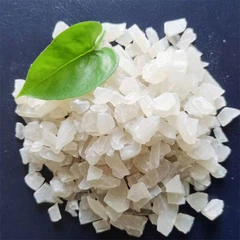
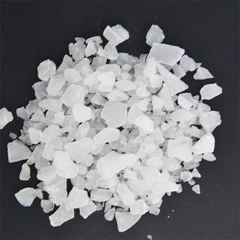
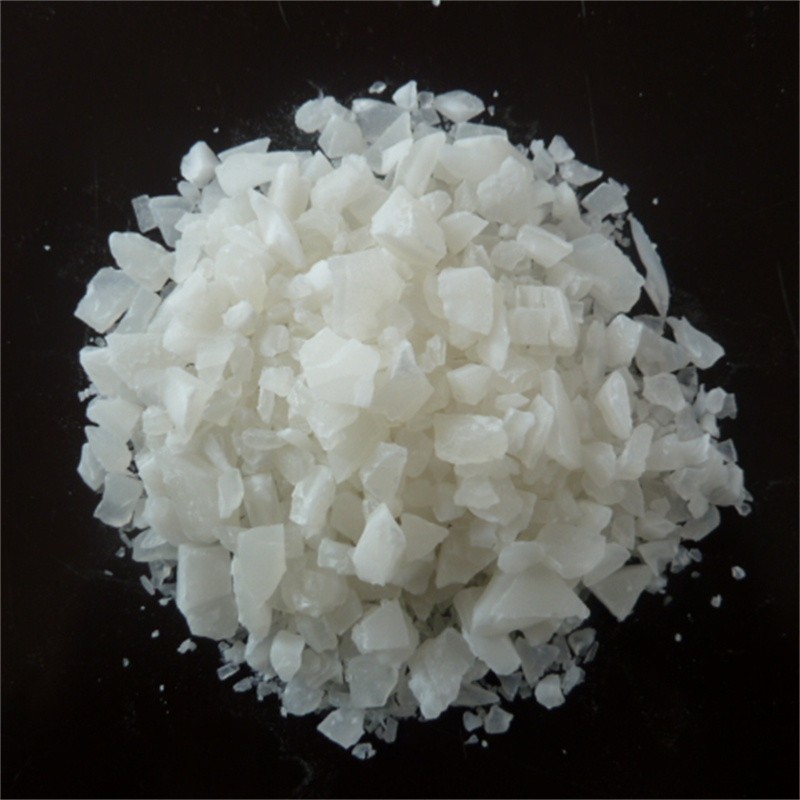
Iron free aluminum sulfate, as the name suggests, is aluminum sulfate without iron. It comes in different forms, like Iron Free Aluminum Sulphate Granules. This type of coagulant is widely used in water treatment because it's effective at neutralizing the electrical charges on those tiny particles in water. When the charges are neutralized, the particles can stick together and form larger aggregates.
Comparing with Other Coagulants
Aluminum Sulfate with Iron
Regular aluminum sulfate often contains some iron. While it can also work well as a coagulant, the iron can sometimes cause issues. In some water treatment applications, especially when the water is going to be used for things like brewing or in industries where iron can cause color or taste problems, iron free aluminum sulfate is a better choice. For example, if you're treating water for a beverage factory, the presence of iron in the coagulant could lead to an off - taste or a brownish color in the final product. That's where Aluminium Sulphate Non Ferric really shines.
Polymeric Coagulants
Polymeric coagulants are another type of coagulant commonly used in water treatment. They work by adsorbing onto the particles and bridging them together. One advantage of iron free aluminum sulfate over polymeric coagulants is cost. Polymeric coagulants can be more expensive, especially for large - scale water treatment plants.
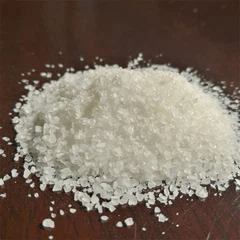
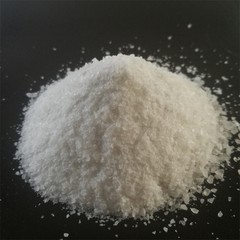
However, polymeric coagulants can sometimes be more effective in treating water with very fine particles or in waters with high organic content. But in many cases, iron free aluminum sulfate can achieve similar results at a lower cost. And if you're looking for a 16% concentration, 16% Aluminum Sulphate can be a great option.
Ferric Chloride
Ferric chloride is a strong coagulant that's often used in industrial water treatment. It can be very effective at removing heavy metals and some organic pollutants. But it has its drawbacks. Ferric chloride can be corrosive to equipment, which means more maintenance and replacement costs over time. Iron free aluminum sulfate is less corrosive, so it's gentler on the water treatment infrastructure.
Also, ferric chloride can leave a residual iron taste in the treated water, which is a no - go for many applications. Iron free aluminum sulfate doesn't have this problem, making it more suitable for water that will be used for drinking or in sensitive industrial processes.
Performance in Different Water Conditions
pH Sensitivity
The performance of a coagulant can be affected by the pH of the water. Iron free aluminum sulfate works best in a pH range of around 5.5 to 7.5. In this range, it can effectively form the flocs needed to remove particles. Other coagulants may have different pH requirements. For example, some polymeric coagulants can work over a wider pH range, but they also have their own limitations in terms of cost and potential environmental impacts.
Temperature
Temperature can also play a role in coagulation. Iron free aluminum sulfate generally performs well across a wide range of temperatures. In colder water, some coagulants may become less effective as the chemical reactions slow down. But iron free aluminum sulfate can still form flocs at relatively low temperatures, which is a big advantage in regions with cold climates.
Environmental Considerations
When it comes to the environment, iron free aluminum sulfate has some benefits. It's a relatively common and well - studied chemical, and its environmental impact is generally well - understood. Compared to some polymeric coagulants, which may break down into potentially harmful by - products, iron free aluminum sulfate is more environmentally friendly.
Also, since it doesn't introduce iron into the water, it reduces the risk of iron - related environmental problems, such as the growth of iron - consuming bacteria in water bodies.
Cost - Effectiveness
Cost is always a major factor in water treatment. Iron free aluminum sulfate is often more cost - effective than many other coagulants, especially when considering the long - term costs. As mentioned earlier, it can achieve similar or better results compared to more expensive coagulants like polymeric coagulants. And because it's less corrosive than ferric chloride, it can reduce the maintenance and replacement costs of water treatment equipment.
Why Choose Our Iron Free Aluminum Sulfate?
As a supplier, I can tell you that our iron free aluminum sulfate is of the highest quality. We ensure strict quality control in the production process to make sure you get a product that performs consistently. Whether you need Iron Free Aluminum Sulphate Granules or 16% Aluminum Sulphate, we've got you covered.
Conclusion
In conclusion, iron free aluminum sulfate has a lot going for it when compared to other coagulants in water treatment. It's cost - effective, less corrosive, and suitable for a wide range of water conditions. Whether you're running a small water treatment plant or a large industrial facility, it's definitely worth considering.
If you're interested in learning more about our iron free aluminum sulfate products or want to start a procurement discussion, don't hesitate to reach out. We're here to help you find the best coagulant solution for your water treatment needs.
References
- AWWA (American Water Works Association). Water Treatment Principles and Design.
- USEPA (United States Environmental Protection Agency). Coagulation and Flocculation in Water Treatment.
Send Inquiry