

How does the presence of impurities affect the properties of aluminium sulphate water?
Dec 30, 2025
Leave a message
The presence of impurities in aluminium sulphate water can have a significant impact on its properties and performance, which is a crucial concern for us as a supplier of aluminium sulphate water. In this blog, we will explore how different types of impurities affect the various properties of aluminium sulphate water and why it matters in different applications.
Chemical Composition and Basic Properties of Aluminium Sulphate Water
Aluminium sulphate water, also known as aluminium sulfate aqueous solution, is a commonly used chemical in water treatment, paper manufacturing, and other industries. Its chemical formula is Al₂(SO₄)₃, and when dissolved in water, it dissociates into aluminium ions (Al³⁺) and sulfate ions (SO₄²⁻). These ions play a key role in many chemical reactions, especially in water treatment processes where they can help to remove suspended solids, colloids, and some dissolved impurities through coagulation and flocculation.
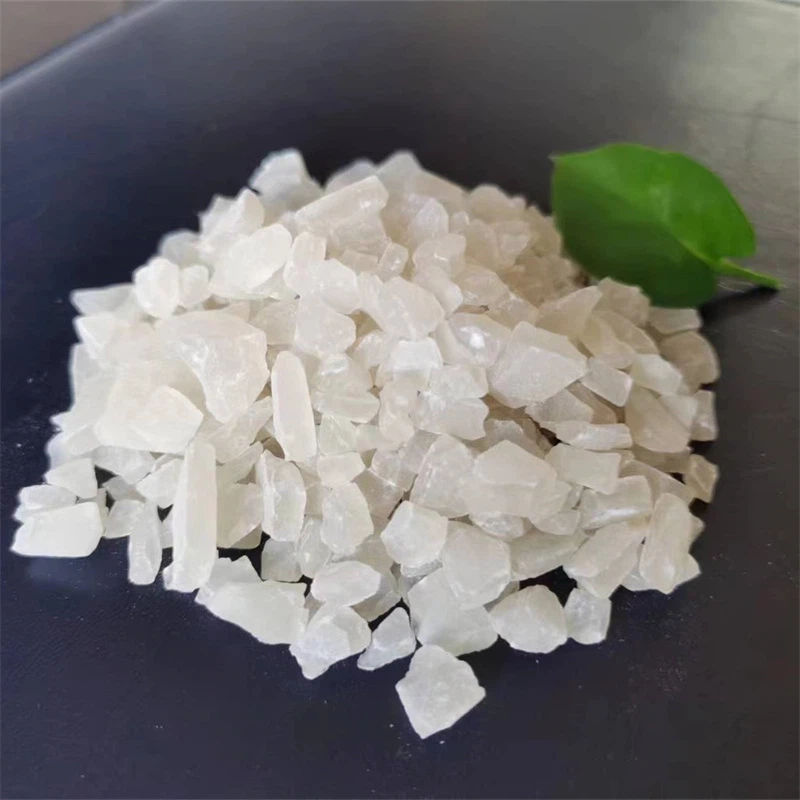
The basic properties of pure aluminium sulphate water include a clear and colorless appearance, a slightly acidic pH due to the hydrolysis of aluminium ions, and good solubility in water. However, when impurities are present, these properties can change significantly.
Impact of Impurities on Physical Properties
Color and Clarity
One of the most obvious impacts of impurities is on the color and clarity of aluminium sulphate water. Impurities such as iron, manganese, and organic matter can cause the solution to become discolored. For example, iron impurities can turn the solution yellow or brown, while organic matter may give it a cloudy or hazy appearance. This is not only a cosmetic issue but can also indicate the presence of other potentially harmful substances. In applications where a clear and colorless solution is required, such as in the production of high - quality paper or in some water treatment processes for drinking water, these color and clarity changes can be unacceptable.
Density and Viscosity
Impurities can also affect the density and viscosity of aluminium sulphate water. Heavier impurities can increase the density of the solution, while some high - molecular - weight organic impurities or colloidal particles can increase its viscosity. This can have implications for the handling and transportation of the solution. For instance, a more viscous solution may require more energy to pump and mix, which can increase operational costs.
Impact of Impurities on Chemical Properties
pH and Chemical Reactivity
The presence of impurities can alter the pH of aluminium sulphate water. Some impurities, such as alkaline substances, can neutralize the acidic nature of the solution, while acidic impurities can make it even more acidic. This change in pH can affect the chemical reactivity of the solution. In water treatment, the pH of the aluminium sulphate solution is crucial for the coagulation and flocculation processes. If the pH is not within the optimal range, the aluminium ions may not form the appropriate flocs, resulting in poor removal of suspended solids and other impurities from the water.
Oxidation and Reduction Reactions
Impurities can also participate in oxidation and reduction reactions in the solution. For example, iron impurities can be oxidized or reduced depending on the redox conditions of the solution. These reactions can not only change the chemical state of the impurities themselves but also affect the stability and performance of the aluminium sulphate. In some cases, the oxidation of impurities can lead to the formation of new compounds that may have different properties and may even interfere with the intended use of the aluminium sulphate water.
Impact on Water Treatment Applications
Coagulation and Flocculation Efficiency
In water treatment, the main function of aluminium sulphate is to act as a coagulant and flocculant. However, impurities can reduce the efficiency of these processes. As mentioned earlier, changes in pH due to impurities can affect the formation of aluminium hydroxide flocs. Additionally, some impurities may adsorb onto the surface of the flocs, preventing them from growing and settling properly. This can result in incomplete removal of suspended solids, turbidity, and other contaminants from the water. For more information on aluminium sulphate wastewater treatment, you can visit Aluminum Sulfate Wastewater Treatment.
Disinfection By - Product Formation
Impurities in aluminium sulphate water can also contribute to the formation of disinfection by - products (DBPs) in water treatment. Organic impurities, in particular, can react with disinfectants such as chlorine to form harmful DBPs like trihalomethanes (THMs) and haloacetic acids (HAAs). These DBPs are a concern for public health as they have been linked to various health problems, including cancer and reproductive issues.
Impact on Other Applications
Paper Manufacturing
In paper manufacturing, aluminium sulphate is used as a sizing agent and a retention aid. Impurities in the aluminium sulphate water can affect the quality of the paper. For example, color - changing impurities can make the paper look dull or discolored, while impurities that affect the chemical reactivity of the solution can lead to inconsistent sizing and poor retention of fillers and fibers in the paper. This can result in lower - quality paper products with reduced strength and printability.
Swimming Pool Treatment
In swimming pool treatment, aluminium sulphate is used to clarify the water by coagulating and removing suspended particles. However, impurities in the aluminium sulphate water can introduce unwanted substances into the pool. For example, heavy metal impurities can be toxic to swimmers, and organic impurities can promote the growth of algae and bacteria. To learn more about the use of aluminium sulphate in swimming pools, you can visit Aluminium Sulphate for Swimming Pools.

Quality Control and Impurity Management
As a supplier of aluminium sulphate water, we understand the importance of quality control and impurity management. We have strict quality control measures in place to ensure that our products meet the highest standards. This includes regular testing of the raw materials and the final products for the presence of impurities. We use advanced analytical techniques such as atomic absorption spectroscopy to detect and quantify heavy metal impurities and high - performance liquid chromatography to analyze organic impurities.
We also take steps to minimize the presence of impurities during the production process. This includes using high - quality raw materials, optimizing the production conditions, and implementing effective purification steps. By doing so, we can provide our customers with aluminium sulphate water that has consistent and reliable properties.
Importance of Choosing a Reliable Supplier
For our customers, choosing a reliable supplier of aluminium sulphate water is crucial. A reliable supplier like us can ensure that the product they receive is of high quality and free from harmful impurities. We have the expertise and experience to understand the specific needs of different industries and can provide customized solutions. Whether you are in the water treatment industry, paper manufacturing, or swimming pool management, our high - quality aluminium sulphate water can help you achieve better results.
If you are interested in purchasing high - quality aluminium sulphate water, we invite you to contact us for more information and to discuss your specific requirements. You can learn more about our aluminium sulphate water products on our website Aluminium Sulphate Water. We look forward to working with you to meet your needs and provide you with the best possible solutions.
References
- Sawyer, C. N., McCarty, P. L., & Parkin, G. F. (2003). Chemistry for Environmental Engineering and Science. McGraw - Hill.
- Letterman, R. D. (1999). Water Quality and Treatment: A Handbook of Community Water Supplies. McGraw - Hill.
- AWWA (American Water Works Association). (2017). Water Treatment Plant Design. McGraw - Hill.
Send Inquiry