

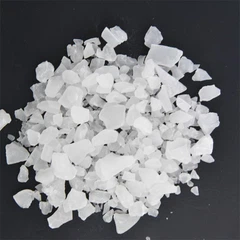
How to deal with the by - products of aluminum sulphate powder production?
Sep 01, 2025
Leave a message
As a supplier of aluminum sulphate powder, I've witnessed firsthand the intricacies and challenges associated with its production. Aluminum sulphate powder is a versatile chemical with a wide range of applications, from water treatment to paper manufacturing. However, like any industrial process, the production of aluminum sulphate powder generates by - products that need to be managed effectively. In this blog post, I'll share some insights on how to deal with these by - products.
Understanding the By - products of Aluminum Sulphate Powder Production
Before delving into the management strategies, it's essential to understand the nature of the by - products. The production of aluminum sulphate powder typically involves the reaction between aluminum hydroxide or bauxite and sulfuric acid. During this process, several by - products can be generated, including waste acids, solid residues, and gaseous emissions.
Waste acids are often a significant by - product. These acids contain residual sulfuric acid and other impurities that need to be neutralized or recycled. Solid residues may include unreacted aluminum compounds, silica, and other minerals present in the raw materials. Gaseous emissions can consist of sulfur dioxide and other volatile compounds, which can have environmental implications if not properly controlled.
Recycling and Reusing By - products
One of the most sustainable approaches to dealing with by - products is recycling and reusing them. Waste acids can often be recycled back into the production process. By treating the waste acids to remove impurities, they can be used again in the reaction with aluminum hydroxide or bauxite. This not only reduces the consumption of fresh sulfuric acid but also minimizes the amount of waste generated.
For solid residues, there are also opportunities for reuse. Some of the unreacted aluminum compounds in the solid residues can be recovered and processed to obtain additional aluminum sulphate. In addition, the silica and other minerals in the residues can be used in other industries, such as the construction industry for making concrete additives or in the glass industry.
Neutralization and Disposal of Waste Acids
When recycling waste acids is not feasible, neutralization is a common method for their disposal. The waste acids can be neutralized using alkaline substances such as lime or sodium hydroxide. The neutralization reaction produces a salt solution and water. The salt solution can then be further treated to remove any remaining impurities before being discharged into the environment or used for other purposes.
It's important to note that proper safety measures should be taken during the neutralization process. The reaction between acids and alkalis can be highly exothermic, so appropriate equipment and procedures are required to prevent accidents. Additionally, the disposal of the neutralized waste should comply with local environmental regulations.
Treatment of Solid Residues
Solid residues need to be treated to reduce their environmental impact. One approach is to subject the residues to a series of separation and purification processes. For example, magnetic separation can be used to separate magnetic materials from the non - magnetic ones. Filtration and sedimentation can be employed to separate the solid particles from the liquid phase.
After separation, the purified solid residues can be further processed or disposed of in an environmentally friendly manner. If the residues contain valuable metals or minerals, they can be sent to a smelter or a refinery for recovery. Otherwise, they can be landfilled in accordance with local regulations. However, landfill should be the last resort, as it can have long - term environmental consequences.
Control of Gaseous Emissions
Gaseous emissions from the production of aluminum sulphate powder need to be carefully controlled to prevent air pollution. One of the main gaseous pollutants is sulfur dioxide. To reduce sulfur dioxide emissions, various technologies can be used, such as scrubbing. Scrubbers work by passing the flue gas through a liquid solution that reacts with the sulfur dioxide to remove it from the gas stream.


Another approach is to use low - sulfur raw materials or to optimize the production process to minimize the formation of sulfur dioxide. Regular monitoring of the gaseous emissions is also essential to ensure compliance with air quality standards.
Environmental and Economic Benefits
Proper management of the by - products of aluminum sulphate powder production offers both environmental and economic benefits. From an environmental perspective, it reduces the amount of waste sent to landfills, minimizes air and water pollution, and conserves natural resources. By recycling and reusing by - products, the demand for fresh raw materials is also reduced, which helps to preserve the environment.
Economically, recycling and reusing by - products can lead to cost savings. For example, recycling waste acids reduces the need to purchase fresh sulfuric acid, and recovering valuable metals from solid residues can generate additional revenue. Moreover, by complying with environmental regulations, companies can avoid potential fines and legal issues.
Conclusion
As a supplier of aluminum sulphate powder, I understand the importance of managing the by - products of its production. By adopting a comprehensive approach that includes recycling, neutralization, treatment, and emission control, we can minimize the environmental impact of the production process and achieve economic benefits at the same time.
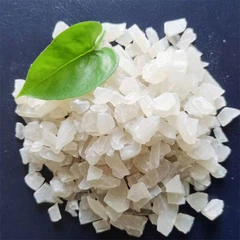
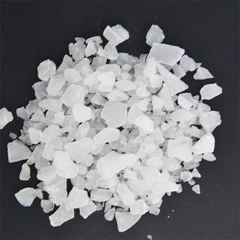
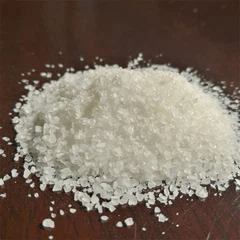
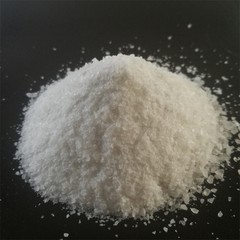
If you are interested in purchasing high - quality aluminum sulphate powder, such as Aluminium Sulphate Octadecahydrate or Aluminum Sulphate Lump with the CAS 10043 - 01 - 3, please feel free to contact us for further discussion and negotiation. We are committed to providing you with the best products and services.
References
- Smith, J. (2018). Industrial Chemistry of Aluminum Compounds. New York: Chemical Press.
- Johnson, R. (2019). Environmental Management in the Chemical Industry. London: Green Publishers.
- Brown, A. (2020). Recycling and Waste Management in Chemical Production. Sydney: Sustainable Solutions.
Send Inquiry