

How to determine the appropriate amount of aluminium sulfate for water treatment?
Nov 11, 2025
Leave a message
Hey there! As a supplier of aluminium sulfate for water treatment, I often get asked about how to figure out the right amount of aluminium sulfate to use. It's a crucial question because using too little won't do the job, and using too much can be a waste of money and may even cause some other issues. So, let's dive into it and explore how you can determine that appropriate amount.
Understanding the Basics of Aluminium Sulfate in Water Treatment
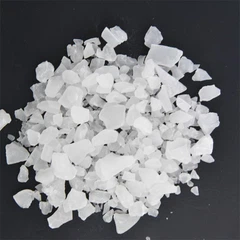
First off, let's quickly go over what aluminium sulfate does in water treatment. Aluminium sulfate, also known as alum, is a common coagulant. When added to water, it forms positively charged aluminium hydroxide flocs. These flocs attract negatively charged particles like dirt, clay, and organic matter in the water. As they clump together, these particles become larger and heavier, making it easier to remove them through sedimentation or filtration.
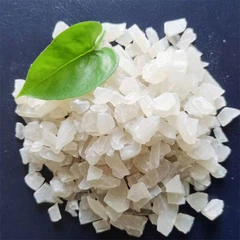
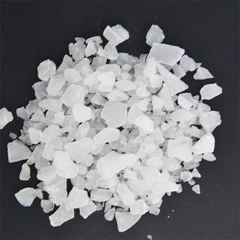
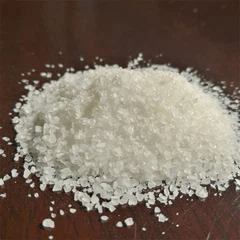
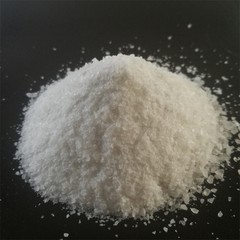
There are different types of aluminium sulfate products available. For instance, you've got Iron-Free Aluminum Sulfate Powder For Sewage Treatment, which is great for sewage treatment where you don't want any iron impurities. Then there's Aluminum Sulphate Powder, a versatile option that can be used in various water treatment scenarios. And Aluminium Sulphate Octadecahydrate, which has its own set of properties and applications.


Factors Affecting the Appropriate Amount
Now, several factors come into play when determining how much aluminium sulfate to use.
Water Quality
The quality of the water you're treating is a major factor. If the water has a high concentration of suspended solids, you'll probably need more aluminium sulfate to form enough flocs to capture all those particles. For example, water from a river during a rainy season might have a lot of sediment and organic matter washed in. In this case, you'll have to up the dosage compared to treating relatively clear groundwater.
The pH of the water also matters. Aluminium sulfate works best within a certain pH range, usually between 5.5 and 7.5. If the water's pH is outside this range, the effectiveness of the coagulation process can be reduced. You might need to adjust the pH first or use a different dosage to compensate.
Treatment Goals
What are you trying to achieve with the water treatment? Are you just trying to clarify the water for basic aesthetic purposes, or are you treating it for drinking water standards? If it's for drinking water, you'll need to be more precise with the dosage to ensure that all harmful contaminants are removed while also keeping the residual aluminium levels within safe limits.
System Capacity
The size of your water treatment system and its flow rate are important. A large - scale water treatment plant with a high flow rate will require a continuous and relatively large amount of aluminium sulfate to treat the incoming water effectively. On the other hand, a small - scale system for a private well might need much less.
Methods to Determine the Appropriate Amount
Jar Testing
Jar testing is one of the most common and reliable methods. Here's how it works:
- Collect Water Samples: Take representative samples of the water you want to treat. Make sure the samples are taken from different parts of the water source to get an accurate picture of its quality.
- Prepare Jars: Label several jars and fill them with equal volumes of the water sample.
- Add Different Dosages: Add different amounts of aluminium sulfate to each jar. Start with a low dosage and gradually increase it in each subsequent jar. For example, you could start with 10 mg/L and increase by 10 mg/L in each jar up to, say, 100 mg/L.
- Mix and Observe: Stir the jars gently to simulate the mixing process in a real - world treatment system. Let the jars sit for a while to allow the flocs to form and settle.
- Evaluate Results: After settling, observe the clarity of the water in each jar. Look for the jar with the clearest water and the most well - formed flocs. The dosage used in that jar is a good starting point for your actual treatment process.
Mathematical Calculations
In some cases, you can use mathematical formulas to estimate the appropriate dosage. These calculations usually take into account the water quality parameters such as the concentration of suspended solids, alkalinity, and pH. However, these formulas are often based on ideal conditions and may need to be adjusted based on real - world testing.
Experience and Historical Data
If you've been treating the same water source for a while, you can rely on your past experience and historical data. Keep records of the dosages used, the water quality before and after treatment, and the results achieved. Over time, you'll be able to identify patterns and determine the optimal dosage more accurately.
Monitoring and Adjusting the Dosage
Once you've determined an initial dosage and started the water treatment process, it's important to monitor the results closely. Regularly check the water quality parameters such as turbidity, pH, and residual aluminium levels. If the turbidity is still high, it might mean you need to increase the dosage. On the other hand, if the residual aluminium levels are too high, you may need to reduce it.
Conclusion
Figuring out the appropriate amount of aluminium sulfate for water treatment isn't an exact science, but with the right approach, you can get it pretty close. By considering factors like water quality, treatment goals, and system capacity, and using methods like jar testing and mathematical calculations, you can find the optimal dosage for your specific situation.
If you're in the market for high - quality aluminium sulfate products for water treatment, we've got you covered. We offer a range of options, including Iron-Free Aluminum Sulfate Powder For Sewage Treatment, Aluminum Sulphate Powder, and Aluminium Sulphate Octadecahydrate. If you have any questions or want to discuss your specific water treatment needs, feel free to reach out. We're here to help you make the right choice and ensure effective water treatment.
References
- AWWA (American Water Works Association). Water Treatment Plant Design.
- USEPA (United States Environmental Protection Agency). Drinking Water Treatment Technologies.
Send Inquiry