

How to recycle and reuse electronic grade aluminum sulfate?
Jul 18, 2025
Leave a message
In today's rapidly evolving technological landscape, electronic grade aluminum sulfate has emerged as a crucial component in various industries, particularly in electronics and battery manufacturing. As a leading supplier of electronic grade aluminum sulfate, I've witnessed firsthand its significance and the growing importance of sustainable practices in its production and usage. In this blog, I'll share insights on how to recycle and reuse electronic grade aluminum sulfate, highlighting its environmental benefits and economic advantages.

Understanding Electronic Grade Aluminum Sulfate
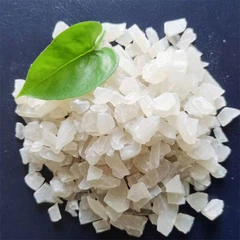
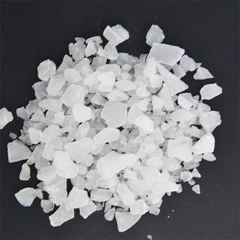
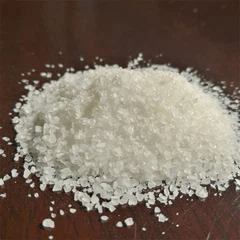
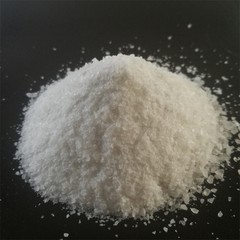
Electronic grade aluminum sulfate is a high - purity form of aluminum sulfate used in a wide range of electronic applications. Its high purity ensures minimal interference in electronic processes, making it ideal for use in semiconductor manufacturing, printed circuit boards, and Battery Grade Aluminium Sulfate. The chemical formula of aluminum sulfate is Al₂(SO₄)₃, and in its electronic grade, it must meet strict quality standards regarding particle size, purity, and chemical composition.
The Need for Recycling and Reusing
The production of electronic grade aluminum sulfate requires significant amounts of energy and raw materials. Mining bauxite, the primary source of aluminum, has a substantial environmental impact, including deforestation, soil erosion, and water pollution. Additionally, the disposal of waste aluminum sulfate can lead to environmental contamination, as it may contain heavy metals and other harmful substances. Recycling and reusing electronic grade aluminum sulfate can help mitigate these environmental issues and reduce the demand for virgin materials.
Recycling Methods
Chemical Recycling
One of the most common methods of recycling electronic grade aluminum sulfate is through chemical processes. This involves treating the waste aluminum sulfate with specific chemicals to break it down into its constituent parts. For example, sulfuric acid can be used to dissolve the aluminum sulfate, followed by a series of purification steps to remove impurities. The resulting solution can then be used to produce new electronic grade aluminum sulfate.
Precipitation and Filtration
Another approach is precipitation and filtration. In this method, the waste aluminum sulfate is mixed with a precipitating agent, such as calcium hydroxide or sodium hydroxide. This causes the aluminum ions to precipitate out of the solution as aluminum hydroxide. The precipitate is then filtered, washed, and treated with sulfuric acid to form new aluminum sulfate. This method is relatively simple and cost - effective, but it requires careful control of the reaction conditions to ensure high - quality recycled products.
Ion Exchange
Ion exchange is a more advanced recycling technique. It involves passing the waste aluminum sulfate solution through an ion - exchange resin. The resin selectively binds to the aluminum ions, allowing other impurities to pass through. The aluminum ions can then be eluted from the resin using a suitable eluent, such as hydrochloric acid or sulfuric acid. The resulting solution can be further purified and used to produce new electronic grade aluminum sulfate. Ion exchange is highly effective in removing impurities and can produce high - purity recycled products.
Reusing Electronic Grade Aluminum Sulfate
In - House Reuse
As a supplier, we encourage our customers to consider in - house reuse of electronic grade aluminum sulfate. For example, in semiconductor manufacturing, the rinse water containing low - concentration aluminum sulfate can be collected and reused in less critical processes, such as equipment cleaning. This not only reduces waste but also lowers the overall cost of production.
Down - Cycling
Down - cycling is another option for reusing electronic grade aluminum sulfate. When the material can no longer meet the strict requirements for electronic applications, it can be used in other industries with less stringent quality standards. For instance, it can be used in water treatment plants to remove suspended solids and impurities from water. This extends the useful life of the material and reduces the need for virgin aluminum sulfate in these industries.
Benefits of Recycling and Reusing
Environmental Benefits
Recycling and reusing electronic grade aluminum sulfate significantly reduce the environmental impact of its production and disposal. By reducing the demand for virgin materials, we can conserve natural resources and minimize the environmental damage associated with mining and processing. Additionally, proper recycling and reuse prevent the release of harmful substances into the environment, protecting water bodies and soil quality.
Economic Benefits
From an economic perspective, recycling and reusing electronic grade aluminum sulfate can lead to cost savings. The cost of producing recycled aluminum sulfate is often lower than that of virgin material, as it requires less energy and fewer raw materials. Moreover, by reusing the material in - house or through down - cycling, companies can reduce their waste management costs and improve their overall operational efficiency.
Challenges and Solutions
Contamination
One of the main challenges in recycling and reusing electronic grade aluminum sulfate is contamination. The waste material may contain various impurities, such as heavy metals, organic compounds, and other chemicals. These impurities can affect the quality of the recycled product and make it unsuitable for electronic applications. To address this issue, advanced purification techniques, such as multiple - stage filtration, ion exchange, and chemical treatment, can be employed to remove contaminants.
Quality Control
Maintaining the quality of recycled electronic grade aluminum sulfate is crucial. The recycled product must meet the same strict quality standards as the virgin material to be used in electronic applications. To ensure quality control, comprehensive testing and analysis should be conducted at each stage of the recycling process. This includes testing for purity, particle size, and chemical composition.
Conclusion
Recycling and reusing electronic grade aluminum sulfate is not only an environmentally responsible practice but also a smart economic decision. As a supplier, we are committed to promoting sustainable solutions in the production and usage of our products. By implementing effective recycling and reuse strategies, we can reduce the environmental impact of our industry, conserve natural resources, and improve the overall efficiency of our operations.
If you are interested in learning more about our electronic grade aluminum sulfate products or discussing recycling and reuse opportunities, we invite you to contact us for procurement and further discussions. Let's work together to create a more sustainable future for the electronics and battery industries.
References
- Smith, J. (2020). Recycling of Industrial Chemicals. Elsevier.
- Johnson, A. (2019). Sustainable Practices in the Electronics Industry. Springer.
- Environmental Protection Agency. (2021). Guidelines for Recycling Hazardous Chemicals.
Send Inquiry