

What is the chemical composition of aluminum sulfate fertilizer?
Jul 18, 2025
Leave a message
Aluminum sulfate, commonly known as alum, has long been utilized in various industries, including water treatment, paper manufacturing, and most importantly for our discussion, in agriculture as a fertilizer. As a leading supplier of aluminum sulfate fertilizer, I am often asked about its chemical composition and how it benefits the soil and plants. In this blog post, I will delve into the chemical makeup of aluminum sulfate fertilizer, its role in agriculture, and why it is a valuable addition to any farming or gardening operation.
Chemical Composition of Aluminum Sulfate
Aluminum sulfate has the chemical formula Al₂(SO₄)₃. This formula indicates that each molecule of aluminum sulfate consists of two aluminum (Al) atoms, three sulfate (SO₄) groups. The sulfate group is composed of one sulfur (S) atom and four oxygen (O) atoms. The molar mass of aluminum sulfate is approximately 342.15 g/mol.
The production of aluminum sulfate typically involves the reaction between aluminum hydroxide (Al(OH)₃) and sulfuric acid (H₂SO₄). The chemical equation for this reaction is as follows:
2Al(OH)₃ + 3H₂SO₄ → Al₂(SO₄)₃ + 6H₂O
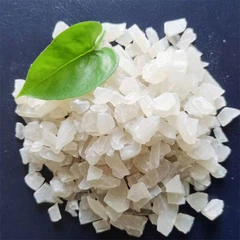
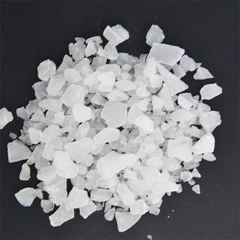
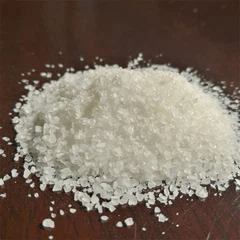
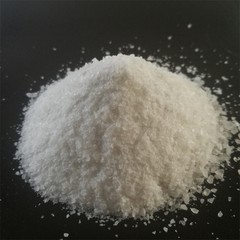
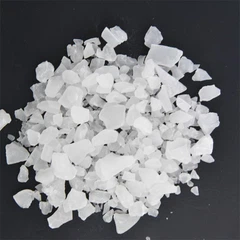
This reaction results in the formation of aluminum sulfate and water. The resulting product is usually a white crystalline solid that is highly soluble in water.
Purity and Grades
In the agricultural industry, the purity of aluminum sulfate fertilizer can vary. The most common grades of aluminum sulfate used in agriculture range from 14% to 18% aluminum oxide (Al₂O₃) content. The higher the percentage of aluminum oxide, the more concentrated the fertilizer.
It is important to note that the purity of aluminum sulfate can also be affected by impurities such as iron (Fe), calcium (Ca), and magnesium (Mg). These impurities can impact the effectiveness of the fertilizer and may also cause discoloration or other issues in the soil. As a supplier, we ensure that our aluminum sulfate fertilizer meets the highest quality standards and is free from harmful impurities.
Role in Agriculture
Aluminum sulfate fertilizer plays several important roles in agriculture. One of the primary uses of aluminum sulfate is as a soil amendment. It can be used to lower the pH of alkaline soils, making them more acidic. This is particularly beneficial for plants that prefer acidic soil conditions, such as blueberries, azaleas, and rhododendrons.
When aluminum sulfate is added to the soil, it reacts with water to form aluminum hydroxide and sulfuric acid. The sulfuric acid then reacts with the soil particles, releasing hydrogen ions (H⁺) and lowering the pH of the soil. This process is known as soil acidification.
In addition to soil acidification, aluminum sulfate can also be used as a source of sulfur and aluminum for plants. Sulfur is an essential nutrient for plant growth and is involved in many metabolic processes, including the synthesis of proteins and vitamins. Aluminum, on the other hand, can help to improve the structure of the soil and increase its water-holding capacity.
Benefits of Using Aluminum Sulfate Fertilizer
There are several benefits to using aluminum sulfate fertilizer in agriculture. Some of the key benefits include:
- Improved Soil pH: By lowering the pH of alkaline soils, aluminum sulfate fertilizer can create a more favorable environment for plant growth. This can lead to increased yields and improved plant health.
- Enhanced Nutrient Availability: Acidic soils tend to have higher levels of available nutrients, such as iron, manganese, and zinc. By lowering the pH of the soil, aluminum sulfate fertilizer can help to make these nutrients more accessible to plants.
- Better Water Retention: Aluminum sulfate can help to improve the structure of the soil, making it more porous and increasing its water-holding capacity. This can reduce the need for frequent watering and help to prevent soil erosion.
- Cost-Effective: Aluminum sulfate fertilizer is relatively inexpensive compared to other types of fertilizers. This makes it a cost-effective option for farmers and gardeners looking to improve the quality of their soil and increase their yields.
Applications of Aluminum Sulfate Fertilizer
Aluminum sulfate fertilizer can be used in a variety of applications, including:
- Agriculture: Aluminum sulfate fertilizer is commonly used in agriculture to improve soil pH and fertility. It can be applied to the soil before planting or as a top dressing during the growing season.
- Horticulture: In horticulture, aluminum sulfate fertilizer is often used to grow acid-loving plants, such as blueberries, azaleas, and rhododendrons. It can be applied to the soil around the plants or added to the irrigation water.
- Landscaping: Aluminum sulfate fertilizer can also be used in landscaping to improve the quality of the soil and promote healthy plant growth. It can be applied to lawns, gardens, and flower beds.
How to Use Aluminum Sulfate Fertilizer
When using aluminum sulfate fertilizer, it is important to follow the instructions on the product label carefully. The amount of fertilizer required will depend on several factors, including the type of soil, the pH of the soil, and the type of plants being grown.
In general, aluminum sulfate fertilizer should be applied at a rate of 1 to 2 pounds per 100 square feet of soil. It can be applied either by broadcasting the fertilizer over the soil surface and then incorporating it into the soil or by applying it in a band around the plants.
It is also important to water the soil thoroughly after applying the fertilizer to ensure that it is evenly distributed and to prevent the fertilizer from burning the plants.


Safety Precautions
While aluminum sulfate fertilizer is generally considered safe to use, it is important to take some safety precautions when handling and applying it. Some of the key safety precautions include:
- Wear Protective Clothing: When handling aluminum sulfate fertilizer, it is important to wear protective clothing, such as gloves, goggles, and a mask, to prevent skin and eye irritation.
- Avoid Inhalation: Aluminum sulfate fertilizer can produce dust when it is being handled or applied. It is important to avoid inhaling this dust, as it can cause respiratory problems.
- Keep Out of Reach of Children and Pets: Aluminum sulfate fertilizer should be stored in a cool, dry place and kept out of reach of children and pets.
Conclusion
In conclusion, aluminum sulfate fertilizer is a valuable tool for farmers and gardeners looking to improve the quality of their soil and increase their yields. Its chemical composition, including aluminum and sulfur, makes it an effective soil amendment and a source of essential nutrients for plants. By lowering the pH of alkaline soils, improving nutrient availability, and enhancing water retention, aluminum sulfate fertilizer can help to create a more favorable environment for plant growth.
If you are interested in learning more about Aluminum Sulfate Soil Amendment or Aluminium Sulphate Fertilizer, or if you would like to discuss your specific fertilizer needs, please do not hesitate to contact us. We are a leading supplier of high-quality aluminum sulfate fertilizer and are committed to providing our customers with the best products and services.
References
- Brady, N. C., & Weil, R. R. (2008). The nature and properties of soils. Pearson Prentice Hall.
- Mengel, K., & Kirkby, E. A. (2001). Principles of plant nutrition. Kluwer Academic Publishers.
- Tisdale, S. L., Nelson, W. L., Beaton, J. D., & Havlin, J. L. (1993). Soil fertility and fertilizers: An introduction to nutrient management. Macmillan.
Send Inquiry