

Is it necessary to adjust the pH before adding aluminium sulfate in water treatment?
Jul 23, 2025
Leave a message
Is it necessary to adjust the pH before adding aluminium sulfate in water treatment? This is a question that often arises in the field of water treatment, and as a supplier of aluminium sulfate water treatment products, I'd like to delve into this topic to provide you with a comprehensive understanding.
Understanding Aluminium Sulfate in Water Treatment
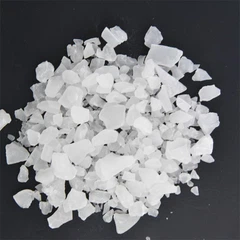
Aluminium sulfate, with the CAS 10043 - 01 - 3, is a widely used coagulant in water treatment processes. It plays a crucial role in removing suspended solids, colloidal particles, and some organic matter from water. When added to water, aluminium sulfate hydrolyzes to form aluminium hydroxide flocs. These flocs can entrap and settle the impurities, making it easier to separate them from the water.
The effectiveness of aluminium sulfate as a coagulant is highly dependent on several factors, and pH is one of the most critical ones. The hydrolysis of aluminium sulfate is a complex chemical process that is significantly influenced by the pH of the water.
The Impact of pH on Aluminium Sulfate Hydrolysis
The hydrolysis of aluminium sulfate can be represented by a series of chemical reactions. At different pH values, different aluminium hydrolysis products are formed, and these products have different coagulation and flocculation abilities.


- Low pH (pH < 5): In acidic conditions, aluminium exists mainly as hydrated aluminium ions (Al³⁺). The positive charge of these ions can neutralize the negative charge on the surface of colloidal particles, causing them to aggregate. However, at very low pH, the hydrolysis of aluminium sulfate is limited, and the formation of aluminium hydroxide flocs is insufficient. As a result, the coagulation effect may not be optimal, and the removal efficiency of suspended solids and colloids may be low.
- Optimal pH Range (pH 5 - 7): In this pH range, the hydrolysis of aluminium sulfate proceeds to form various aluminium hydroxide species, such as Al(OH)₂⁺, Al(OH)₂⁺, and Al(OH)₃. Aluminium hydroxide is a gelatinous substance with a large surface area, which can effectively adsorb and bridge suspended particles, leading to the formation of large and dense flocs. This is the ideal condition for aluminium sulfate to发挥 its coagulation and flocculation functions, and the water treatment efficiency is usually the highest.
- High pH (pH > 7): When the pH is higher than 7, the aluminium hydroxide flocs start to dissolve, forming negatively charged aluminate ions (Al(OH)₄⁻). The negative charge of these ions can cause the re - dispersion of the previously aggregated particles, resulting in a decrease in the coagulation and flocculation effect. In addition, high - pH water may also cause the precipitation of other metal ions, which can further complicate the water treatment process.
Practical Considerations in Water Treatment
In actual water treatment applications, the raw water pH can vary widely depending on the water source. For example, surface water from acidic regions may have a low pH, while groundwater in some areas may be alkaline. Therefore, it is often necessary to adjust the pH of the water before adding aluminium sulfate to ensure that the water treatment process operates under the optimal conditions.
- pH Adjustment Methods: There are several ways to adjust the pH of water. For acidic water, alkaline substances such as lime (Ca(OH)₂) or sodium hydroxide (NaOH) can be added to increase the pH. For alkaline water, acidic substances such as sulfuric acid (H₂SO₄) or hydrochloric acid (HCl) can be used to lower the pH. The amount of pH - adjusting agent required depends on the initial pH of the water, the desired final pH, and the water volume.
- Cost and Efficiency: Adjusting the pH requires additional chemicals and equipment, which will increase the cost of water treatment. However, compared to the potential improvement in water treatment efficiency and the reduction in the dosage of aluminium sulfate, the cost of pH adjustment may be justified. By operating in the optimal pH range, less aluminium sulfate is needed to achieve the same level of water treatment, which can save on the cost of coagulants in the long run.
Case Studies
Let's take a look at some real - world examples to illustrate the importance of pH adjustment in aluminium sulfate water treatment.
- Municipal Water Treatment Plant: A municipal water treatment plant was treating surface water with a pH of about 4.5. Initially, they added aluminium sulfate directly without pH adjustment. The water treatment results showed that the turbidity of the treated water was still relatively high, and the removal rate of suspended solids was only about 60%. After adjusting the pH of the water to 6 - 6.5 using lime, the removal rate of suspended solids increased to over 90%, and the turbidity of the treated water met the drinking water standards.
- Industrial Wastewater Treatment: An industrial wastewater treatment facility was using aluminium sulfate to treat acidic wastewater from a metal - plating process. The raw wastewater had a pH of around 3. Without pH adjustment, the coagulation effect of aluminium sulfate was poor, and the treated water still contained a large amount of heavy metals and suspended solids. By adding sodium hydroxide to adjust the pH to 5 - 7, the aluminium sulfate was able to form effective flocs, and the removal rates of heavy metals and suspended solids were significantly improved.
When pH Adjustment May Not Be Necessary
In some cases, pH adjustment before adding aluminium sulfate may not be necessary.
- Stable Raw Water pH: If the pH of the raw water is already within the optimal range for aluminium sulfate hydrolysis (pH 5 - 7), there is no need to adjust the pH. This can save on the cost and complexity of the water treatment process.
- Low - Cost and Simple Water Treatment Systems: In some small - scale or low - cost water treatment systems, where the accuracy of pH measurement and adjustment is difficult to achieve, or the cost of pH adjustment agents is relatively high, the operator may choose to add aluminium sulfate directly without pH adjustment. However, this may result in a lower water treatment efficiency and higher aluminium sulfate dosage.
Conclusion
In general, adjusting the pH before adding aluminium sulfate in water treatment is often necessary to ensure the optimal performance of the coagulation and flocculation process. The pH of the water has a significant impact on the hydrolysis of aluminium sulfate and the formation of aluminium hydroxide flocs. By adjusting the pH to the optimal range (pH 5 - 7), the water treatment efficiency can be improved, the dosage of aluminium sulfate can be reduced, and the quality of the treated water can be enhanced.
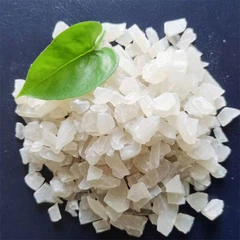
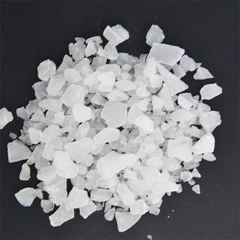
As a supplier of Aluminium Sulfate Water Treatment products, we understand the importance of providing high - quality aluminium sulfate and offering technical support to our customers. Our Granular Aluminum Sulfate is a popular choice for water treatment due to its high purity, good solubility, and excellent coagulation performance.
If you are involved in water treatment and have any questions about the use of aluminium sulfate or pH adjustment, or if you are interested in purchasing our aluminium sulfate products, please feel free to contact us for further discussion and procurement negotiation. We are committed to providing you with the best water treatment solutions and products.
References
- Letterman, R. D. (1999). Water Quality and Treatment: A Handbook of Community Water Supplies. McGraw - Hill.
- Amirtharajah, A., & O'Melia, C. R. (1990). Coagulation and Flocculation. Water Quality and Treatment: A Handbook of Community Water Supplies.
- USEPA. (2012). Drinking Water Treatment Technologies: A Compendium of Available Technologies. U.S. Environmental Protection Agency.
Send Inquiry