

What are the advantages of using industrial aluminum sulphate in the leather industry?
Sep 22, 2025
Leave a message
In the dynamic landscape of the leather industry, the pursuit of high - quality products, cost - effectiveness, and environmental sustainability is an ongoing challenge. Industrial aluminum sulphate has emerged as a remarkable solution, offering a multitude of advantages that make it an indispensable component in leather processing. As a leading supplier of industrial aluminum sulphate, I am excited to share with you the key benefits that this chemical brings to the leather industry.
1. Tanning and Pre - tanning Processes
One of the primary applications of industrial aluminum sulphate in the leather industry is in the tanning and pre - tanning stages. Tanning is the process of converting raw hides and skins into leather, which involves stabilizing the collagen fibers in the hide to prevent decomposition and enhance its durability.
Industrial aluminum sulphate acts as a mordant in the pre - tanning process. A mordant is a substance that helps the dye to adhere to the leather fibers. By using industrial aluminum sulphate, the leather can absorb dyes more evenly and deeply, resulting in a more vibrant and long - lasting color. This is especially important for leather products that require a high - quality finish, such as luxury leather goods and high - end footwear.
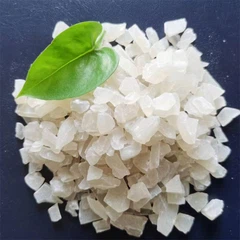
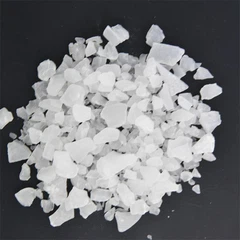
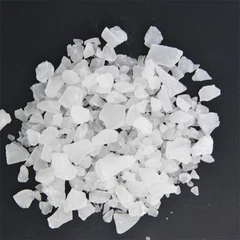
Moreover, aluminum sulphate helps to shrink the hide and reduce its water content during the pre - tanning stage. This makes the hide more resistant to bacteria and fungi, which can cause spoilage. The controlled shrinkage also improves the texture and firmness of the leather, giving it a smooth and consistent appearance. For more information about the specific product we offer, you can visit our Industrial Aluminum Sulphate page.
2. pH Regulation
Maintaining the correct pH level is crucial in every stage of leather processing. Industrial aluminum sulphate is an effective pH regulator. In the pickling process, where the hide is treated with an acidic solution to prepare it for tanning, aluminum sulphate can be used to adjust the pH to the optimal range. This not only ensures the effectiveness of the pickling agents but also protects the leather fibers from damage caused by excessive acidity.
During the tanning process, the pH needs to be carefully controlled to allow the tanning agents to penetrate the leather fibers evenly. Aluminum sulphate can help to create a stable pH environment, which promotes better tanning results. By regulating the pH, industrial aluminum sulphate helps to improve the overall quality of the leather, including its strength, flexibility, and resistance to wear and tear.
3. Defleshing and Degreasing
Raw hides and skins contain a significant amount of flesh, fat, and other impurities that need to be removed before the tanning process. Industrial aluminum sulphate can aid in defleshing and degreasing operations. When added to the defleshing and degreasing solutions, it helps to break down the bonds between the flesh, fat, and the leather fibers.
This makes it easier to remove these impurities, resulting in a cleaner and more uniform leather surface. A cleaner leather surface is essential for achieving a high - quality finish and also improves the efficiency of subsequent tanning and finishing processes. By using industrial aluminum sulphate in defleshing and degreasing, leather manufacturers can reduce the time and cost associated with these operations.
4. Cost - Effectiveness
Cost is a major consideration for any industry, and the leather industry is no exception. Industrial aluminum sulphate offers a cost - effective solution for leather processing. Compared to some other chemicals used in the tanning and finishing processes, aluminum sulphate is relatively inexpensive.
It can be used in combination with other tanning agents to achieve similar or even better results at a lower cost. For example, when used as a pre - tanning agent, it can reduce the amount of more expensive tanning agents required, thereby lowering the overall production cost. Additionally, its effectiveness in improving the quality of leather means that there is less waste due to defective products, which further contributes to cost savings.
5. Environmental Friendliness
In recent years, there has been an increasing focus on environmental sustainability in the leather industry. Industrial aluminum sulphate is considered to be a more environmentally friendly option compared to some traditional tanning chemicals.
Many traditional tanning agents, such as chromium salts, can have a significant environmental impact. They can contaminate water sources and soil if not properly managed. In contrast, aluminum sulphate is less toxic and has a lower environmental footprint. It can be easily treated and removed from wastewater, reducing the pollution risk associated with leather production.
Our Ferric Aluminium Sulphate product, which is a type of industrial aluminum sulphate, is produced with strict environmental standards in mind. It meets the requirements of modern environmental regulations, making it a sustainable choice for leather manufacturers who are committed to reducing their environmental impact.
6. Improved Leather Properties
The use of industrial aluminum sulphate in the leather industry can lead to significant improvements in the properties of the leather. The leather treated with aluminum sulphate has better breathability, which is an important factor for leather products such as shoes and clothing. Good breathability allows air to circulate through the leather, keeping the wearer's feet or body dry and comfortable.
It also enhances the leather's resistance to heat and humidity. This is particularly beneficial for leather products that are used in hot and humid environments. The leather is less likely to become soft or deformed under these conditions, maintaining its shape and quality over time.
7. Compatibility with Other Chemicals
Industrial aluminum sulphate is highly compatible with a wide range of other chemicals used in the leather industry. It can be used in combination with vegetable tanning agents, synthetic tanning agents, and various finishing chemicals.
This compatibility allows leather manufacturers to customize their processing recipes according to the specific requirements of different types of leather products. For example, it can be used in combination with vegetable tanning agents to produce semi - aniline leather, which has a natural appearance and good durability.
Contact for Procurement
If you are in the leather industry and are looking for a reliable supplier of high - quality industrial aluminum sulphate, we are here to meet your needs. Our industrial aluminum sulphate, with the CAS 10043 - 01 - 3, is produced with advanced technology and strict quality control measures. We offer competitive prices, excellent customer service, and timely delivery.


Whether you are a small - scale leather workshop or a large - scale leather manufacturing company, we can provide you with the right amount of industrial aluminum sulphate to meet your production requirements. Contact us today to discuss your procurement needs and explore how our industrial aluminum sulphate can enhance the quality and efficiency of your leather production processes.
References
- "Leather Technology: Principles and Practice" by John S. Covington.
- "The Chemistry of Tanning Processes" by M. A. Wilson.
- Industry reports on the use of chemicals in leather processing.
Send Inquiry