

What are the application cases of electronic grade aluminum sulfate in the electronics field?
Nov 18, 2025
Leave a message
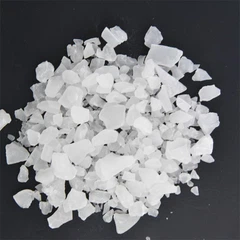
Hey there! I'm a supplier of electronic grade aluminum sulfate, and I'm super excited to chat with you about its amazing application cases in the electronics field. In this blog, I'll take you through some real - world uses of this cool chemical compound and show you why it's such a big deal in the electronics industry.
First off, let's talk about printed circuit boards (PCBs). PCBs are the backbone of almost every electronic device out there, from your smartphones to your laptops. Electronic grade aluminum sulfate plays a crucial role in the manufacturing process of PCBs. When making PCBs, a process called etching is used to remove unwanted copper from the board to form the desired circuit patterns. Aluminum sulfate acts as an etchant accelerator. It helps speed up the etching process, making it more efficient and precise. By using electronic grade aluminum sulfate, manufacturers can reduce the time it takes to produce PCBs, which means they can crank out more boards in less time. This is a huge advantage in an industry where time is money. And because it's of electronic grade, it has a high level of purity, which ensures that the etching process is clean and doesn't leave any unwanted residues on the PCB. This leads to better - quality PCBs with fewer defects, and that's what every electronics manufacturer wants.
Another important application is in the production of semiconductors. Semiconductors are the heart of modern electronics, controlling the flow of electricity in electronic devices. Electronic grade aluminum sulfate is used in the semiconductor manufacturing process as a dopant source. Doping is the process of intentionally adding impurities to a semiconductor material to change its electrical properties. Aluminum sulfate can be used to introduce aluminum ions into the semiconductor lattice. These aluminum ions can modify the conductivity and other electrical characteristics of the semiconductor, allowing engineers to fine - tune the performance of semiconductor devices. Whether it's making a more energy - efficient microprocessor or a high - speed memory chip, the precise doping provided by electronic grade aluminum sulfate is essential.
Now, let's move on to the world of batteries. Battery Grade Aluminium Sulfate is a specialized form of electronic grade aluminum sulfate that has some unique applications in battery technology. In lithium - ion batteries, which are widely used in portable electronics and electric vehicles, aluminum sulfate can be used in the electrolyte formulation. The electrolyte is the medium that allows the flow of ions between the battery's electrodes. By adding a small amount of electronic grade aluminum sulfate to the electrolyte, it can improve the stability and conductivity of the electrolyte. This leads to better battery performance, longer battery life, and faster charging times. In addition, it can also help prevent the formation of unwanted side reactions in the battery, which can degrade the battery's performance over time.
In the field of display technology, electronic grade aluminum sulfate also has its place. For example, in liquid - crystal displays (LCDs), it can be used in the manufacturing of the thin - film transistors (TFTs). TFTs are used to control the individual pixels in an LCD screen, and their performance directly affects the quality of the display. Aluminum sulfate can be used in the deposition process of the semiconductor layer in TFTs. It helps to form a uniform and high - quality semiconductor film, which is crucial for achieving sharp and clear images on the LCD screen. Whether it's a high - definition TV or a smartphone display, the use of electronic grade aluminum sulfate can contribute to better visual performance.

Let's not forget about the role of electronic grade aluminum sulfate in the production of capacitors. Capacitors are components that store and release electrical energy. In some types of capacitors, such as aluminum electrolytic capacitors, aluminum sulfate is used in the anodization process. Anodization is a process that forms a protective oxide layer on the surface of the aluminum electrode. This oxide layer acts as a dielectric, which determines the capacitance and other electrical properties of the capacitor. Electronic grade aluminum sulfate provides a high - purity source of aluminum ions for the anodization process, resulting in a more uniform and stable oxide layer. This leads to capacitors with better performance, higher reliability, and longer lifetimes.
So, as you can see, electronic grade aluminum sulfate has a wide range of applications in the electronics field. From PCBs to semiconductors, batteries to displays, and capacitors, it plays a vital role in the manufacturing and performance of various electronic devices.
If you're in the electronics industry and are looking for a reliable supplier of electronic grade aluminum sulfate, you've come to the right place. I've been in the business for a while, and I know how important it is to have a high - quality product. My electronic grade aluminum sulfate is produced using the latest manufacturing techniques to ensure the highest level of purity and consistency. Whether you need a small quantity for research and development or a large - scale supply for mass production, I can meet your needs.
I'm always happy to have a chat about your specific requirements. Maybe you have a unique application in mind, or you need some technical advice on how to use electronic grade aluminum sulfate in your manufacturing process. Don't hesitate to reach out. We can have a detailed discussion about your project, and I can provide you with a customized solution.
In conclusion, electronic grade aluminum sulfate is an indispensable chemical in the electronics field. Its numerous applications and benefits make it a must - have for any electronics manufacturer. If you're interested in purchasing electronic grade aluminum sulfate or want to learn more about its applications, feel free to contact me. Let's work together to take your electronics manufacturing to the next level!
References
- "Handbook of Electronic Materials and Processes"
- "Advanced Battery Technologies: Principles and Applications"
- "Semiconductor Device Physics and Technology"
Send Inquiry