

Can 17% aluminum sulphate powder be used in the production of fertilizers?
Nov 17, 2025
Leave a message
As a supplier of 17% aluminum sulphate powder, I often receive inquiries from customers in the fertilizer industry about the suitability of our product for fertilizer production. In this blog post, I will explore the potential use of 17% aluminum sulphate powder in fertilizer manufacturing, backed by scientific evidence and industry knowledge.
Understanding Aluminum Sulphate
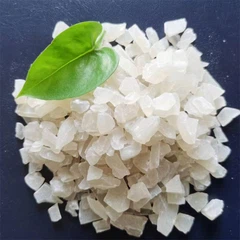
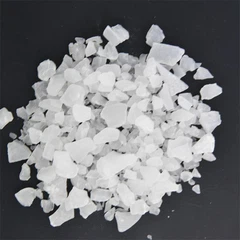
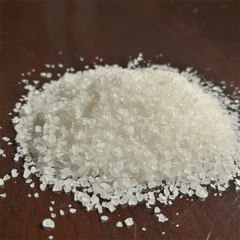
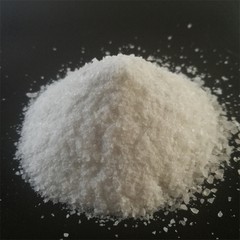
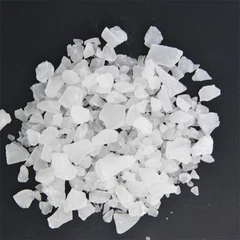
Aluminum sulphate, with the chemical formula Al₂(SO₄)₃, is a white crystalline solid that is soluble in water. It is commonly used in various industries, including water treatment, paper manufacturing, and textile dyeing. The 17% aluminum sulphate powder we supply contains 17% of aluminum oxide (Al₂O₃) on a dry weight basis, which is a key indicator of its purity and effectiveness.
Role of Aluminum in Plants
Aluminum is not considered an essential nutrient for most plants. However, it can have both beneficial and detrimental effects on plant growth, depending on the concentration and soil conditions. In acidic soils, aluminum can be present in soluble forms, such as aluminum ions (Al³⁺), which can be toxic to plants at high concentrations. Aluminum toxicity can inhibit root growth, reduce nutrient uptake, and interfere with various physiological processes in plants.
On the other hand, at low concentrations, aluminum can have some positive effects on plant growth. It can help to improve soil structure by flocculating clay particles, which can enhance water infiltration and aeration. Aluminum can also interact with other nutrients in the soil, such as phosphorus, and affect their availability to plants.
Potential Use of 17% Aluminum Sulphate Powder in Fertilizers
In the context of fertilizer production, 17% aluminum sulphate powder can be used in several ways:
Soil Amendment
One of the main applications of aluminum sulphate in agriculture is as a soil amendment. It can be used to lower the pH of alkaline soils, making them more acidic. This is particularly useful for crops that prefer acidic soil conditions, such as blueberries, azaleas, and rhododendrons. By adjusting the soil pH, aluminum sulphate can improve the availability of nutrients, such as iron, manganese, and zinc, which are often less available in alkaline soils.
When using 17% aluminum sulphate powder as a soil amendment, it is important to apply it at the correct rate and to monitor the soil pH regularly. Over-application of aluminum sulphate can lead to excessive soil acidity, which can be harmful to plants. It is recommended to consult with a soil testing laboratory or an agricultural extension service to determine the appropriate application rate for your specific soil and crop requirements.
Fertilizer Additive
Aluminum sulphate can also be used as an additive in fertilizers to improve their performance. It can help to increase the solubility of phosphorus in fertilizers, making it more available to plants. This is particularly important in soils with high phosphorus fixation capacity, where a significant portion of the applied phosphorus can be immobilized and become unavailable to plants.
In addition, aluminum sulphate can act as a flocculant in liquid fertilizers, helping to prevent the precipitation of insoluble salts and improving the stability and clarity of the fertilizer solution. This can enhance the ease of application and the effectiveness of the fertilizer.
Water Treatment in Fertilizer Production
In the fertilizer manufacturing process, water is often used as a solvent and a carrier for the nutrients. Aluminum sulphate can be used in water treatment to remove impurities, such as suspended solids, organic matter, and heavy metals, from the water. This can help to improve the quality of the water used in fertilizer production and prevent the accumulation of contaminants in the fertilizer product.
By using 17% aluminum sulphate powder in water treatment, fertilizer manufacturers can ensure that the water used in their production process meets the required quality standards, which can ultimately improve the quality and performance of the fertilizer.
Considerations and Precautions
While 17% aluminum sulphate powder has the potential to be used in fertilizer production, there are some important considerations and precautions that need to be taken into account:
Environmental Impact
Aluminum is a naturally occurring element in the environment, but excessive amounts of aluminum in the soil and water can have negative environmental impacts. Aluminum can accumulate in the soil over time, especially in areas with high aluminum sulphate application rates. This can lead to soil acidification, reduced soil fertility, and potential contamination of groundwater.
It is important to use aluminum sulphate powder in a responsible and sustainable manner, following the recommended application rates and best management practices. This can help to minimize the environmental impact and ensure the long-term health of the soil and water resources.
Plant Sensitivity
As mentioned earlier, aluminum can be toxic to plants at high concentrations. Some plant species are more sensitive to aluminum toxicity than others. It is important to consider the sensitivity of the crops you are growing when using aluminum sulphate in fertilizers or soil amendments.
Before applying aluminum sulphate to your fields or gardens, it is recommended to conduct a small-scale trial on a test plot to evaluate the response of your crops to the treatment. This can help you to determine the appropriate application rate and to avoid potential damage to your plants.
Regulatory Compliance
In some regions, there may be regulations and guidelines regarding the use of aluminum sulphate in agriculture. It is important to comply with these regulations and to ensure that your use of 17% aluminum sulphate powder in fertilizer production is legal and safe.


Before using aluminum sulphate in your fertilizer products, it is recommended to consult with the relevant regulatory authorities or industry associations to obtain the necessary permits and approvals. This can help you to avoid any legal issues and to ensure the quality and safety of your fertilizer products.
Conclusion
In conclusion, 17% aluminum sulphate powder can be used in the production of fertilizers, but it should be used with caution and in accordance with the recommended guidelines. As a supplier of 17% aluminum sulphate powder, we are committed to providing high-quality products and technical support to our customers in the fertilizer industry.
If you are interested in using 17% aluminum sulphate powder in your fertilizer production or as a soil amendment, please feel free to contact us for more information. We can provide you with detailed product specifications, application guidelines, and pricing information. You can also visit our website to learn more about our Non Iron Aluminum Sulphate, Aluminium Sulphate 17, and Iron Free Aluminum Sulphate Flakes.
We look forward to working with you to meet your fertilizer production needs and to help you achieve better crop yields and quality.
References
- Brady, N. C., & Weil, R. R. (2008). The nature and properties of soils. Pearson Prentice Hall.
- Fageria, N. K., Baligar, V. C., & Clark, R. B. (2002). Soil fertility, fertilizers, and plant nutrition. CRC Press.
- Marschner, P. (2012). Mineral nutrition of higher plants. Academic Press.
Send Inquiry