

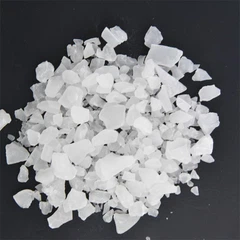
What are the applications of aluminum sulphate flake in the meat processing industry?
Aug 19, 2025
Leave a message
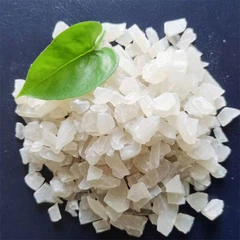
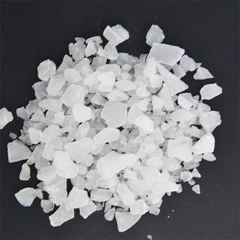
Aluminum sulphate flake, a versatile chemical compound, has found its way into various industries due to its unique properties. In the meat processing industry, its applications are both diverse and significant. As a leading supplier of aluminum sulphate flake, I am excited to delve into the numerous ways this product is utilized in meat processing, highlighting its benefits and importance.
1. Water Treatment in Meat Processing Plants
One of the primary applications of aluminum sulphate flake in the meat processing industry is water treatment. Meat processing plants consume large amounts of water for various operations, including washing, cleaning, and cooling. However, the water used in these processes often contains impurities such as suspended solids, organic matter, and microorganisms, which can affect the quality of the meat and the efficiency of the processing equipment.
Aluminum sulphate flake acts as a coagulant in water treatment. When added to water, it hydrolyzes to form positively charged aluminum hydroxide colloids. These colloids attract and neutralize the negatively charged particles in the water, causing them to clump together and form larger aggregates called flocs. The flocs are then easily removed through sedimentation or filtration, resulting in cleaner and clearer water.
By treating the water used in meat processing, aluminum sulphate flake helps to prevent the buildup of scale and corrosion in pipes and equipment, reducing maintenance costs and extending the lifespan of the processing facilities. Additionally, it improves the quality of the meat by removing contaminants that could potentially cause spoilage or affect the taste and texture of the final product.


2. Preservation and Shelf-Life Extension
Another important application of aluminum sulphate flake in the meat processing industry is preservation and shelf-life extension. Meat is a perishable product that is susceptible to spoilage by bacteria, fungi, and other microorganisms. To prevent spoilage and maintain the quality of the meat, various preservation methods are employed, including the use of chemical preservatives.
Aluminum sulphate flake has antimicrobial properties that make it effective in inhibiting the growth of bacteria and fungi in meat. It works by creating an acidic environment that is unfavorable for the survival and growth of microorganisms. Additionally, it can react with proteins in the meat to form a protective layer that helps to prevent the penetration of oxygen and moisture, further reducing the risk of spoilage.
By using aluminum sulphate flake as a preservative, meat processors can extend the shelf-life of their products, reducing waste and increasing profitability. It also allows for the distribution of meat products over longer distances and periods, making it possible to reach a wider market.
3. Texture Improvement
In addition to its water treatment and preservation properties, aluminum sulphate flake can also be used to improve the texture of meat products. When added to meat, it can react with the proteins in the muscle tissue to form cross-links, which help to strengthen the structure of the meat and improve its firmness and elasticity.
This texture improvement is particularly beneficial in processed meat products such as sausages, ham, and bacon. By using aluminum sulphate flake, meat processors can produce products with a more consistent texture and appearance, enhancing the consumer experience. It also helps to prevent the loss of moisture during cooking, resulting in juicier and more flavorful meat products.
4. Color Fixation
Color is an important factor in the consumer perception of meat quality. Fresh meat typically has a bright red color, which is associated with freshness and quality. However, during processing and storage, the color of meat can change due to various factors such as oxidation, microbial growth, and the presence of certain chemicals.
Aluminum sulphate flake can be used to fix the color of meat and prevent discoloration. It works by reacting with the myoglobin in the meat, which is responsible for its red color, to form a stable complex that resists oxidation and other color-changing processes. This helps to maintain the bright red color of the meat, making it more appealing to consumers.
5. Other Applications
In addition to the above applications, aluminum sulphate flake has several other uses in the meat processing industry. For example, it can be used as a pH adjuster in meat brines and marinades, helping to control the acidity and flavor of the meat. It can also be used as a clarifying agent in the production of meat extracts and broths, removing impurities and improving the clarity of the final product.
Product Offerings
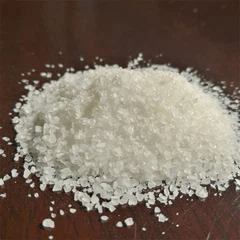
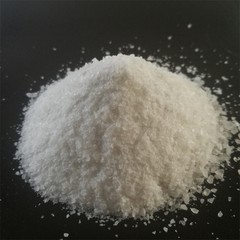
As a supplier of aluminum sulphate flake, we offer a wide range of high-quality products to meet the diverse needs of the meat processing industry. Our products include Ferric Aluminium Sulphate, which is specifically formulated for water treatment applications, and Granular Aluminum Sulfate, which is ideal for use as a preservative and texture improver. We also offer Iron-Free Aluminum Sulfate Powder For Sewage Treatment, which is suitable for use in meat processing plants where iron contamination is a concern.
Conclusion
In conclusion, aluminum sulphate flake plays a crucial role in the meat processing industry. Its applications in water treatment, preservation, texture improvement, color fixation, and other areas make it an essential ingredient for meat processors. As a supplier, we are committed to providing high-quality aluminum sulphate flake products that meet the strictest industry standards. If you are in the meat processing industry and are interested in learning more about our products or discussing your specific needs, please do not hesitate to contact us. We look forward to the opportunity to work with you and help you achieve your goals.
References
- "Handbook of Food Additives" by A. L. Branen, P. M. Davidson, and S. Salminen.
- "Meat Science and Technology" by F. Toldrá.
- "Water Treatment Handbook" by P. D. Lankford.
Send Inquiry