

What are the disadvantages of using aluminum sulphate in water treatment?
Sep 23, 2025
Leave a message
Hey there! I'm an aluminum sulphate supplier, and I know a thing or two about this chemical. Aluminum sulphate, often called alum, is a common coagulant in water treatment. It helps to clump together small particles in water, making them easier to remove. Sounds great, right? But like anything, it's got its downsides. Let's dive into the disadvantages of using aluminum sulphate in water treatment.
1. Environmental Concerns
One of the biggies is the environmental impact. When aluminum sulphate is used in water treatment plants, a significant amount of aluminum can end up in the treated water. And when this water is discharged into natural water bodies, it can have harmful effects on aquatic life.


Aluminum is toxic to many fish and invertebrates. It can damage their gills, reducing their ability to take in oxygen. This can lead to decreased survival rates and disrupt the balance of the aquatic ecosystem. Even at low concentrations, long - term exposure to aluminum can cause chronic stress and reproductive problems in aquatic organisms.
Moreover, the sludge produced during the water treatment process using aluminum sulphate contains a high amount of aluminum. Disposing of this sludge can be a challenge. If it's dumped in landfills, there's a risk of aluminum leaching into the soil and groundwater, potentially contaminating drinking water sources.
2. Health Risks
There are also some health concerns associated with the use of aluminum sulphate in water treatment. Although the World Health Organization (WHO) has set a guideline value for aluminum in drinking water, there's still ongoing debate about the long - term health effects of aluminum exposure.
Some studies have suggested a possible link between high aluminum intake and neurological disorders such as Alzheimer's disease. While the evidence isn't conclusive, it's enough to raise eyebrows. Aluminum can accumulate in the body over time, and the human body has a limited ability to excrete it. So, if we're consuming water with elevated levels of aluminum due to water treatment with aluminum sulphate, it could potentially pose a health risk.
Children and the elderly may be more vulnerable to the effects of aluminum. Children's developing nervous systems could be more sensitive to aluminum exposure, and the elderly may already have a reduced ability to excrete aluminum from their bodies.
3. pH Imbalance
Aluminum sulphate can cause a significant change in the pH of the water being treated. When it's added to water, it hydrolyzes and releases hydrogen ions, which can lower the pH of the water. This can be a problem, especially if the water has a low buffering capacity.
A low pH can make the water more corrosive. Corrosive water can damage pipes and plumbing systems, leading to the leaching of other metals such as lead and copper into the water. This not only degrades the quality of the water but also poses additional health risks.
To counteract the pH change, water treatment plants often need to add chemicals to adjust the pH back to an acceptable level. This adds an extra step and cost to the water treatment process.
4. Effectiveness in Different Water Conditions
The effectiveness of aluminum sulphate can vary depending on the water conditions. It works best in water with a certain range of pH and temperature. If the water is too cold, the reaction between aluminum sulphate and the particles in the water can be slow, leading to incomplete coagulation.
In water with high organic matter content, aluminum sulphate may not work as effectively. Organic matter can interfere with the coagulation process by binding to the aluminum ions, reducing their ability to form flocs. This means that in some cases, higher doses of aluminum sulphate may be required to achieve the same level of water treatment, which can further exacerbate the environmental and health issues mentioned earlier.
5. Cost and Maintenance
Using aluminum sulphate in water treatment isn't always cost - effective. As mentioned earlier, the need to adjust the pH of the water can add to the cost. Additionally, the equipment used for dosing and mixing aluminum sulphate needs regular maintenance.
The storage of aluminum sulphate also requires proper facilities. It's a hygroscopic substance, which means it can absorb moisture from the air. If it's not stored properly, it can clump together, making it difficult to handle and measure accurately. This can lead to inconsistent dosing and potentially ineffective water treatment.
Product Offerings
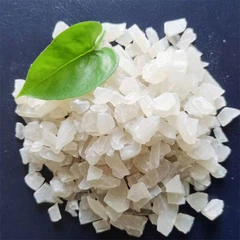
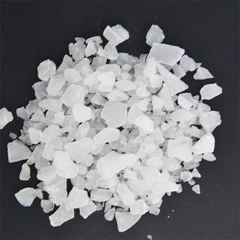
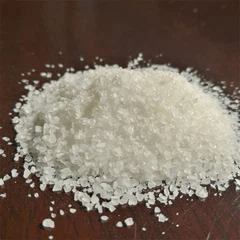
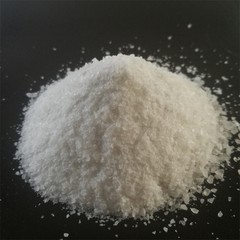
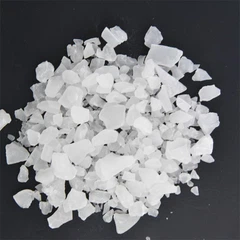
Despite these disadvantages, aluminum sulphate still has its uses in water treatment, and we offer a range of high - quality products. Check out our Aluminum Sulphate Powder, which is easy to handle and dissolve in water. We also have Aluminum Sulphate Lump, which is great for larger - scale water treatment operations. And for sewage treatment, our Iron - Free Aluminum Sulfate Powder For Sewage Treatment is a top - notch option.
If you're in the water treatment business and are looking for a reliable aluminum sulphate supplier, we'd love to talk to you. We understand the challenges and are committed to providing the best products and solutions. Whether you're dealing with small - scale or large - scale water treatment, we can work with you to find the right product for your needs.
Conclusion
In conclusion, while aluminum sulphate is a widely used coagulant in water treatment, it comes with several disadvantages. From environmental and health concerns to issues with pH imbalance, effectiveness in different water conditions, and cost and maintenance, there are many factors to consider.
However, with proper management and understanding of these issues, it can still be used effectively in water treatment. If you have any questions or want to discuss your water treatment requirements, don't hesitate to reach out. We're here to help you make the best decision for your water treatment processes.
References
- World Health Organization. (2017). Guidelines for Drinking - Water Quality.
- Environmental Protection Agency. (2020). Water Quality Standards and Guidelines.
- Scientific studies on the effects of aluminum on aquatic life and human health from peer - reviewed journals such as Environmental Science & Technology and Journal of Toxicology and Environmental Health.
Send Inquiry