

What are the factors that affect the performance of aluminium sulphate liquid in water treatment?
May 23, 2025
Leave a message
In the field of water treatment, aluminum sulphate liquid has long been recognized as a versatile and effective coagulant. As a supplier of aluminum sulphate liquid, I have witnessed firsthand its widespread use in various water treatment applications. However, the performance of aluminum sulphate liquid in water treatment can be influenced by a multitude of factors. Understanding these factors is crucial for optimizing its effectiveness and ensuring high - quality water treatment results.
1. Chemical Composition and Purity
The chemical composition of aluminum sulphate liquid is fundamental to its performance. Pure aluminum sulphate is typically represented by the formula (Al_2(SO_4)_3). However, commercial aluminum sulphate liquid may contain impurities such as iron, calcium, and other trace elements. These impurities can have both positive and negative impacts on water treatment.
Iron impurities, for example, can enhance the coagulation process in some cases. Ferric ions can act as additional coagulants, improving the flocculation and sedimentation of suspended particles. This is why Ferric Aluminium Sulphate is sometimes preferred in certain water treatment scenarios. On the other hand, excessive amounts of calcium or other insoluble impurities can lead to scaling in the water treatment equipment, reducing its efficiency and lifespan.
The purity of aluminum sulphate liquid also affects its solubility. Higher - purity products generally dissolve more readily in water, ensuring a more uniform distribution of the coagulant in the water being treated. This is essential for achieving consistent coagulation and flocculation results. Our company takes great care in ensuring the high purity of our aluminum sulphate liquid products, which helps to guarantee reliable performance in water treatment applications.
2. Concentration of Aluminum Sulphate Liquid
The concentration of aluminum sulphate liquid is a critical factor that directly impacts its performance. Different water treatment processes require different concentrations of the coagulant. A lower concentration may be sufficient for lightly contaminated water, while heavily polluted water may demand a higher concentration to achieve effective coagulation.


However, using an overly high concentration of aluminum sulphate liquid can have negative consequences. It can lead to the formation of excessive sludge, which not only increases the cost of sludge disposal but also may cause secondary pollution. Additionally, high concentrations can result in a change in the pH of the treated water, which may require additional pH adjustment steps.
We offer a range of aluminum sulphate liquid products with different concentrations, such as 15.8% Aluminum Sulphate. Our customers can choose the most suitable concentration based on the specific characteristics of the water they are treating.
3. pH of the Water
The pH of the water being treated has a significant influence on the performance of aluminum sulphate liquid. Aluminum sulphate hydrolyzes in water to form various aluminum hydroxide species, and the type and stability of these species depend on the pH value.
In general, the optimal pH range for aluminum sulphate coagulation is between 5.5 and 7.5. Within this range, the formation of aluminum hydroxide flocs is maximized, which can effectively trap and remove suspended particles, colloids, and some dissolved organic matter. When the pH is too low, the aluminum ions remain in a soluble form, and coagulation is less effective. Conversely, at high pH values, the aluminum hydroxide may dissolve, again reducing the coagulation efficiency.
Before adding aluminum sulphate liquid to the water, it is often necessary to adjust the pH to the optimal range. This can be achieved by adding acids or alkalis, depending on the initial pH of the water. Our technical support team can provide guidance on pH adjustment to ensure the best performance of our aluminum sulphate liquid products.
4. Temperature of the Water
Water temperature also plays an important role in the performance of aluminum sulphate liquid. Generally, higher water temperatures promote faster hydrolysis and coagulation reactions. At lower temperatures, the hydrolysis rate of aluminum sulphate slows down, which can lead to slower floc formation and reduced sedimentation efficiency.
In cold - water treatment scenarios, it may be necessary to increase the dosage of aluminum sulphate liquid or use additional coagulant aids to compensate for the reduced reaction rate. However, this approach needs to be carefully balanced to avoid over - dosing and the associated problems. Our company is constantly researching and developing products that can perform well in a wide range of water temperatures, aiming to provide effective solutions for different climate regions.
5. Presence of Organic Matter
The presence of organic matter in the water can significantly affect the performance of aluminum sulphate liquid. Organic matter, such as humic acids and fulvic acids, can form complexes with aluminum ions, reducing the availability of the coagulant for particle coagulation.
In addition, some organic substances can stabilize colloidal particles, making them more difficult to remove by coagulation. To overcome these challenges, pre - treatment steps such as oxidation or adsorption may be required to break down or remove the organic matter before adding aluminum sulphate liquid.
We understand the complexity of water treatment in the presence of organic matter, and our products are designed to be compatible with various pre - treatment processes. Our team can work with customers to develop comprehensive water treatment solutions that take into account the specific organic matter content in the water.
6. Mixing Conditions
Proper mixing is essential for the effective performance of aluminum sulphate liquid in water treatment. When aluminum sulphate liquid is added to the water, it needs to be quickly and uniformly dispersed to ensure that the coagulant comes into contact with all the particles and colloids in the water.
Insufficient mixing can result in uneven coagulation, with some areas of the water having a higher concentration of the coagulant while others have a lower concentration. This can lead to incomplete removal of suspended solids and reduced water treatment efficiency. On the other hand, excessive mixing can break up the formed flocs, making them less likely to settle.
We recommend using appropriate mixing equipment and adjusting the mixing intensity and duration according to the specific water treatment process. Our technical experts can offer advice on the best mixing practices to optimize the performance of our aluminum sulphate liquid products.
7. Contact Time
The contact time between aluminum sulphate liquid and the water being treated is also an important factor. Sufficient contact time is required for the coagulation and flocculation reactions to occur. During this time, the aluminum hydroxide flocs grow and aggregate, allowing them to effectively trap and remove suspended particles.
If the contact time is too short, the flocs may not have enough time to form and grow to a size that can be easily removed by sedimentation or filtration. On the other hand, an overly long contact time may not necessarily improve the treatment results and can increase the cost of the water treatment process.
We can provide guidelines on the appropriate contact time based on the type of water, the concentration of aluminum sulphate liquid used, and the specific water treatment process.
In conclusion, the performance of aluminum sulphate liquid in water treatment is affected by a variety of factors, including chemical composition and purity, concentration, pH, temperature, presence of organic matter, mixing conditions, and contact time. As a supplier of high - quality aluminum sulphate liquid products, we are committed to providing our customers with the best - suited products and comprehensive technical support.
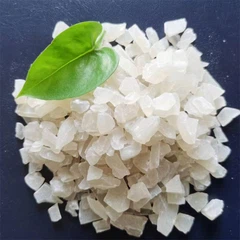
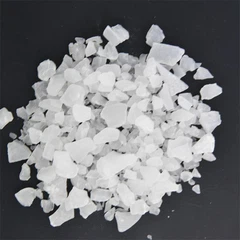
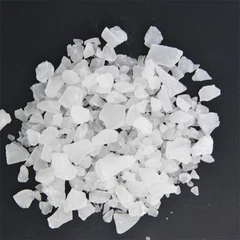
If you are interested in our Aluminum Sulphate Flake or other aluminum sulphate liquid products and would like to discuss your water treatment needs, we encourage you to contact us for procurement negotiations. Our team of experts is ready to assist you in finding the most effective water treatment solutions.
References
- Letterman, R. D. (Ed.). (1999). Water quality and treatment: A handbook of community water supplies. McGraw - Hill.
- Crittenden, J. C., Trussell, R. R., Hand, D. W., Howe, K. J., & Tchobanoglous, G. (2012). Water treatment: Principles and design. Wiley.
- Gregory, J., & Baranyai, G. (2000). Coagulation and flocculation in water and wastewater treatment. Spon Press.
Send Inquiry