

How long does it take for aluminium sulphate liquid to work in water treatment?
May 23, 2025
Leave a message
In the realm of water treatment, aluminum sulphate liquid has long been recognized as a pivotal chemical compound. As a dedicated supplier of aluminum sulphate liquid, I am often confronted with a frequently asked question: How long does it take for aluminum sulphate liquid to work in water treatment? To address this query comprehensively, we need to delve into the underlying mechanisms, influencing factors, and practical implications of its application.
The Mechanism of Aluminum Sulphate Liquid in Water Treatment
Aluminum sulphate liquid, also known as alum, plays a crucial role in water treatment primarily through the process of coagulation and flocculation. When added to water, aluminum sulphate dissociates into aluminum ions (Al³⁺). These ions react with the negatively charged particles suspended in the water, such as clay, silt, and organic matter. The positively charged aluminum ions neutralize the negative charges on the particles, causing them to lose their repulsive forces and come closer together. This initial stage is known as coagulation.


Following coagulation, the neutralized particles begin to aggregate into larger, more settleable masses called flocs. This process is flocculation. The flocs are then easier to separate from the water through sedimentation or filtration. The chemical reactions involved in this process are complex and depend on various factors, including the pH of the water, the concentration of aluminum sulphate, and the nature of the suspended particles.
Factors Affecting the Reaction Time
1. pH of the Water
The pH of the water is one of the most critical factors influencing the effectiveness and reaction time of aluminum sulphate liquid. Aluminum sulphate works best within a specific pH range, typically between 5.5 and 7.5. At lower pH values, the aluminum ions remain in solution and are less effective at coagulation. At higher pH values, aluminum hydroxide precipitates out of solution, which can reduce its coagulating ability. Adjusting the pH of the water to the optimal range can significantly speed up the coagulation and flocculation process.
2. Concentration of Aluminum Sulphate
The concentration of aluminum sulphate added to the water also affects the reaction time. A higher concentration generally leads to faster coagulation and flocculation, as there are more aluminum ions available to react with the suspended particles. However, adding too much aluminum sulphate can lead to over - coagulation, where the flocs become too large and break apart, reducing the efficiency of the treatment process. Therefore, it is essential to determine the appropriate dosage based on the characteristics of the water being treated.
3. Temperature
Temperature can have a significant impact on the reaction time of aluminum sulphate liquid. In general, higher temperatures accelerate chemical reactions, including the coagulation and flocculation processes. At lower temperatures, the movement of the particles and the chemical reactions are slower, which can increase the time required for effective treatment. In cold climates, additional measures may be needed to ensure that the water treatment process is efficient.
4. Nature of Suspended Particles
The type and size of the suspended particles in the water also influence the reaction time. Fine particles with a high surface area to volume ratio require more aluminum ions for coagulation and may take longer to form flocs. Organic particles, such as humic acids, can also interfere with the coagulation process, as they can form complexes with the aluminum ions, reducing their availability for coagulation.
Typical Reaction Times
Under optimal conditions, the coagulation process can occur within a few seconds to a few minutes after the addition of aluminum sulphate liquid. The flocculation process, which follows coagulation, usually takes a few minutes to half an hour. After flocculation, the flocs can then be removed through sedimentation or filtration.
In a well - controlled water treatment plant, where the pH, temperature, and dosage of aluminum sulphate are carefully regulated, the entire process of coagulation, flocculation, and sedimentation can be completed within an hour or two. However, in real - world scenarios, where the water quality may vary, the reaction time can be longer. For example, in surface water sources with high turbidity and organic matter content, it may take several hours for the treatment process to achieve the desired level of water clarity.
Practical Implications for Water Treatment
Understanding the reaction time of aluminum sulphate liquid is crucial for the design and operation of water treatment systems. Water treatment plants need to ensure that there is sufficient detention time in the coagulation and flocculation basins to allow the reactions to occur. This may require adjusting the flow rate of the water through the treatment process or increasing the size of the basins.
In addition, continuous monitoring of the water quality is essential to ensure that the treatment process is effective. Parameters such as pH, turbidity, and aluminum concentration should be regularly measured to determine if the dosage of aluminum sulphate needs to be adjusted. If the reaction time is longer than expected, it may indicate a problem with the water quality or the treatment process, such as incorrect pH adjustment or insufficient mixing.
Our Product Advantages
As a supplier of aluminum sulphate liquid, we take pride in offering high - quality products that are formulated to provide efficient and reliable water treatment solutions. Our aluminum sulphate liquid is carefully manufactured to ensure consistent quality and performance. It is available in various concentrations to meet the specific needs of different water treatment applications.
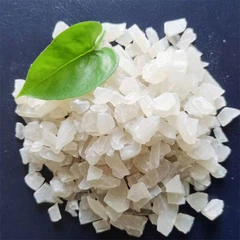
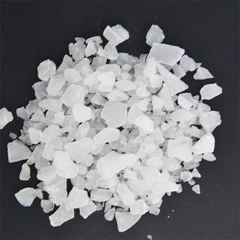
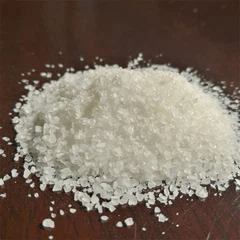
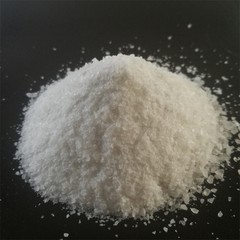
We also offer Aluminum Sulphate Powder, which provides an alternative option for customers who prefer a solid form of the product. Our Industrial Aluminum Sulphate is produced in state - of - the - art facilities, adhering to strict quality control standards. With the CAS 10043 - 01 - 3 certification, our products are recognized for their safety and effectiveness in water treatment.
Conclusion
The reaction time of aluminum sulphate liquid in water treatment is influenced by multiple factors, including pH, concentration, temperature, and the nature of the suspended particles. Under optimal conditions, the coagulation and flocculation processes can occur relatively quickly, but in real - world applications, the time required may vary. As a supplier of aluminum sulphate liquid, we are committed to providing our customers with the highest quality products and technical support to ensure the efficient operation of their water treatment systems.
If you are interested in learning more about our aluminum sulphate liquid products or have any questions regarding water treatment, please feel free to contact us for procurement and further discussions. We look forward to working with you to meet your water treatment needs.
References
- AWWA Water Treatment Plant Design, 5th Edition.
- Water Quality and Treatment: A Handbook of Community Water Supplies, 6th Edition.
- Standard Methods for the Examination of Water and Wastewater, 23rd Edition.
Send Inquiry