
What are the side - effects of using 17% aluminum sulphate powder in water treatment?
Oct 23, 2025
Leave a message
Hey there! I'm a supplier of 17% aluminum sulphate powder, and I often get asked about the side - effects of using this stuff in water treatment. So, I thought I'd write this blog to share what I know.
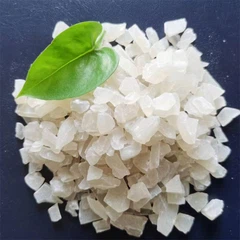
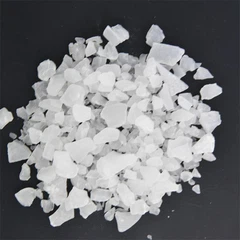
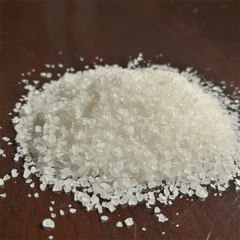
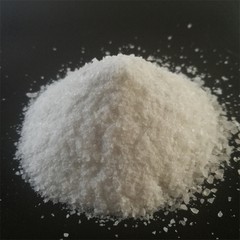
First off, let's talk about what 17% aluminum sulphate powder is and why it's used in water treatment. Aluminum sulphate, also known as alum, is a chemical compound that's commonly used to clarify water. When it's added to water, it forms a gelatinous precipitate that helps to trap suspended particles, like dirt, algae, and other impurities. This makes the water clearer and easier to filter. Our 17% Aluminum Sulphate Powder is a popular choice among water treatment facilities because of its high efficiency in removing these contaminants.
Now, let's get into the side - effects. One of the most well - known side - effects of using aluminum sulphate in water treatment is the potential increase in aluminum levels in the treated water. Aluminum is a naturally occurring element, but high levels of it in drinking water can be a concern. Some studies have linked long - term exposure to high levels of aluminum in drinking water to neurological problems, such as Alzheimer's disease. However, it's important to note that these studies are still inconclusive, and the World Health Organization (WHO) has set a guideline value for aluminum in drinking water of 0.2 mg/L.
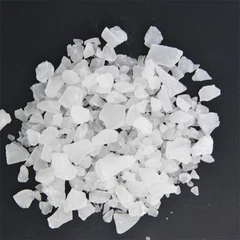
When we use 17% aluminum sulphate powder in water treatment, we need to be careful about the dosage. If too much is added, it can lead to an over - increase in aluminum levels. That's why it's crucial to follow the recommended dosage based on the quality of the raw water. Our team of experts can provide guidance on the right amount of Non Ferric 17% Aluminum Sulphate Flakes or powder to use for different water conditions.
Another side - effect is the change in the pH of the water. Aluminum sulphate is acidic, and when it's added to water, it can lower the pH. A low pH can cause corrosion in pipes and plumbing systems. This is a big deal because corroded pipes can release other contaminants into the water, like lead and copper. To counter this, water treatment plants often add a pH - adjusting chemical, like lime or soda ash, to bring the pH back to a neutral level.
In addition, the use of aluminum sulphate can generate a significant amount of sludge. The gelatinous precipitate that forms when aluminum sulphate reacts with impurities in the water eventually settles to the bottom as sludge. This sludge needs to be removed and disposed of properly. If not, it can cause environmental problems. For example, if the sludge is dumped into water bodies, it can disrupt the aquatic ecosystem by reducing oxygen levels and smothering aquatic plants and animals.
The production and use of 17% aluminum sulphate powder also have some environmental implications. The manufacturing process of aluminum sulphate requires energy and raw materials. Extracting and processing these materials can have a negative impact on the environment, including deforestation, water pollution, and greenhouse gas emissions. However, our company is committed to sustainable practices. We're constantly looking for ways to reduce our environmental footprint in the production of Iron Free Aluminum Sulphate Powder.


Despite these side - effects, the benefits of using 17% aluminum sulphate powder in water treatment can't be ignored. It's a cost - effective and efficient way to remove impurities from water, making it safe for drinking and other uses. And with proper management and monitoring, the side - effects can be minimized.
So, if you're in the water treatment business and are considering using our 17% aluminum sulphate powder, don't be too worried about the side - effects. We have a team of professionals who can help you manage the dosage, adjust the pH, and deal with the sludge. We're also happy to share our knowledge on sustainable water treatment practices.
If you're interested in learning more about our products or have any questions about using 17% aluminum sulphate powder in your water treatment process, feel free to reach out. We're always here to have a chat and help you make the best decision for your water treatment needs.
References
- World Health Organization. (2017). Guidelines for Drinking - Water Quality. Fourth Edition Incorporating the First Addendum.
- Various scientific studies on the effects of aluminum in drinking water and water treatment processes.
Send Inquiry