

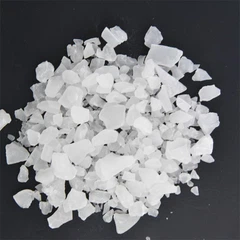
What is the dosage of aluminum sulphate lump in the oil and gas industry?
Oct 23, 2025
Leave a message
Hey there! I'm a supplier of aluminum sulphate lump, and today I wanna chat about something super important in the oil and gas industry: the dosage of aluminum sulphate lump.
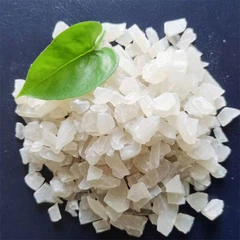
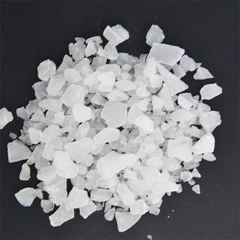
So, first off, let's understand why aluminum sulphate lump is even used in the oil and gas field. Aluminum sulphate, in its lump form, plays a crucial role in water treatment processes that are closely associated with oil and gas operations. In oil and gas production, a huge amount of water is involved. This water can come from various sources like produced water (water that comes out along with oil and gas from the well), or it could be water used for injection in enhanced oil recovery processes.
The main job of aluminum sulphate lump in these water treatment scenarios is to act as a coagulant. When it's added to water, it helps in aggregating fine particles and impurities that are suspended in the water. These impurities can include things like clay, silt, and even some organic matter. By coagulating these particles, they become larger and heavier, which makes it easier to separate them from the water through processes like sedimentation or filtration.
Now, getting to the big question - what's the right dosage of aluminum sulphate lump in the oil and gas industry? Well, there's no one - size - fits - all answer. The dosage depends on a bunch of factors.
One of the key factors is the quality of the water. If the water has a high concentration of suspended solids, you'll probably need a higher dosage of aluminum sulphate lump. For example, if the produced water from an oil well has a lot of sand and clay particles, you might need to add more of the lump to get an effective coagulation. On the other hand, if the water is relatively clean with only a small amount of impurities, a lower dosage will do the trick.


Another factor is the pH level of the water. Aluminum sulphate works best within a certain pH range. Generally, the optimal pH for its coagulation action is between 5.5 and 7.5. If the water's pH is outside this range, the effectiveness of the coagulation can be reduced. So, sometimes, you might need to adjust the pH of the water before adding the aluminum sulphate lump, and this can also affect the required dosage.
The temperature of the water also matters. In colder water, the chemical reactions that lead to coagulation can be slower. So, you might need to increase the dosage of aluminum sulphate lump to achieve the same level of coagulation as you would in warmer water.
Let's talk about some general guidelines for dosage. In many cases, the dosage of aluminum sulphate lump can range from 10 to 100 milligrams per liter (mg/L) of water. But as I said earlier, this can vary widely. For lightly contaminated water, a dosage of around 10 - 20 mg/L might be sufficient. However, for water with heavy pollution, dosages of up to 100 mg/L or even more could be required.
It's also important to note that the form of aluminum sulphate can affect the dosage and application. We offer different forms of aluminum sulphate apart from the lump, like Aluminium Sulphate Octadecahydrate, Aluminum Sulphate Powder, and Aluminum Sulphate Flake. The powder and flake forms might dissolve faster in water compared to the lump, which could potentially change the way you calculate and apply the dosage.
When determining the exact dosage for your specific oil and gas operation, it's a good idea to conduct some tests. You can take samples of the water you're dealing with and perform jar tests. In a jar test, you add different dosages of aluminum sulphate lump to small jars of the water sample, mix them well, and then observe the coagulation and sedimentation processes. This can give you a pretty good idea of the optimal dosage for your water.
In addition to the water treatment aspect, aluminum sulphate lump can also have other applications in the oil and gas industry. For example, it can be used in the treatment of drilling mud. Drilling mud is a fluid used during the drilling process to cool the drill bit, carry the cuttings to the surface, and maintain pressure in the wellbore. By adding the right amount of aluminum sulphate lump to the drilling mud, you can improve its properties and performance.
To sum it all up, the dosage of aluminum sulphate lump in the oil and gas industry is a complex matter that depends on multiple factors such as water quality, pH, temperature, and the specific application. It's not something that can be determined by a simple rule. But with proper testing and understanding of your water and process requirements, you can find the right dosage to get the best results.
If you're in the oil and gas industry and are looking for a reliable supplier of aluminum sulphate lump, we're here to help. We've got a wide range of high - quality aluminum sulphate products, and our team can assist you in determining the right dosage for your specific needs. Whether it's for water treatment or other applications in your oil and gas operations, we're ready to have a chat and work out a solution for you. So, don't hesitate to reach out and start a conversation about your procurement needs.
References
- Water Treatment Handbook for the Oil and Gas Industry, various editions
- Research papers on the application of coagulants in oil and gas water treatment
Send Inquiry