

What are the transportation requirements for aluminum sulphate?
Jun 13, 2025
Leave a message
As a seasoned supplier of aluminum sulphate, I understand the crucial role that proper transportation plays in ensuring the product reaches our customers in optimal condition. Aluminum sulphate is a versatile chemical compound with a wide range of applications, from water treatment to paper manufacturing. In this blog post, I will delve into the transportation requirements for aluminum sulphate, covering everything from packaging and labeling to regulatory compliance and safety measures.
Packaging and Labeling
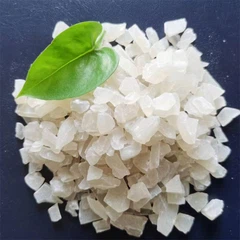
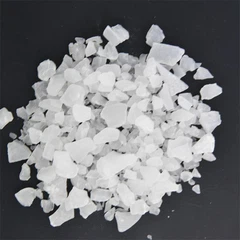
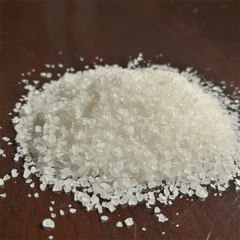
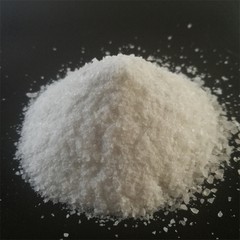
The first step in transporting aluminum sulphate is to ensure it is properly packaged and labeled. Aluminum sulphate is typically available in various forms, including powder, flakes, and granules. Each form requires specific packaging to prevent contamination, moisture absorption, and physical damage during transit.


For powder and granular forms of aluminum sulphate, it is common to use high-density polyethylene (HDPE) bags or drums. These containers are durable, resistant to moisture, and can be sealed tightly to prevent spills and leaks. The bags or drums should be labeled clearly with the product name, grade, net weight, and any relevant safety information, such as hazard symbols and handling instructions.
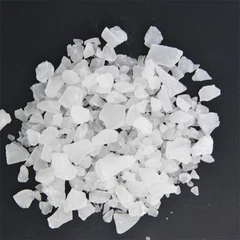
In the case of Aluminum Sulphate Flake, they are often packed in special moisture-proof bags or containers to maintain their integrity. The packaging should also be designed to withstand the rigors of transportation, including stacking and handling.
Labeling is not only a legal requirement but also an important safety measure. It helps transportation personnel and end-users to identify the product correctly and handle it safely. The labels should comply with international standards, such as the Globally Harmonized System of Classification and Labelling of Chemicals (GHS).
Regulatory Compliance
Transporting aluminum sulphate involves compliance with a variety of regulations at both the national and international levels. These regulations are in place to protect human health, the environment, and ensure the safe movement of hazardous materials.
In many countries, aluminum sulphate is classified as a hazardous substance due to its potential to cause skin and eye irritation, respiratory problems, and environmental damage if not handled properly. As a result, transportation of aluminum sulphate is subject to strict regulations regarding packaging, labeling, documentation, and handling.
For international shipments, the International Maritime Dangerous Goods (IMDG) Code and the International Air Transport Association (IATA) Dangerous Goods Regulations are the primary regulatory frameworks. These codes specify the requirements for packaging, labeling, stowage, and documentation for the transportation of hazardous materials by sea and air, respectively.
Domestically, different countries may have their own regulations regarding the transportation of hazardous chemicals. For example, in the United States, the Department of Transportation (DOT) regulates the transportation of hazardous materials through the Hazardous Materials Regulations (HMR). These regulations cover all modes of transportation, including road, rail, air, and water.
As a supplier, it is our responsibility to ensure that all shipments of aluminum sulphate comply with the relevant regulations. This includes providing accurate documentation, such as safety data sheets (SDS) and shipping manifests, and ensuring that the product is packaged and labeled correctly.
Safety Measures
Safety is of utmost importance when transporting aluminum sulphate. The product should be handled with care to prevent spills, leaks, and accidents. Here are some key safety measures that should be implemented during transportation:
- Training: All personnel involved in the transportation of aluminum sulphate, including drivers, handlers, and warehouse staff, should receive proper training on the safe handling and emergency response procedures. This training should cover topics such as the properties of aluminum sulphate, the hazards associated with it, and the proper use of personal protective equipment (PPE).
- Personal Protective Equipment (PPE): Transportation personnel should wear appropriate PPE, such as gloves, goggles, and respirators, when handling aluminum sulphate. PPE helps to protect against skin contact, eye irritation, and inhalation of dust or fumes.
- Emergency Response Equipment: Vehicles and storage facilities should be equipped with emergency response equipment, such as spill kits, fire extinguishers, and first aid kits. In the event of a spill or accident, the equipment should be readily available to contain and clean up the spill and provide immediate medical assistance if necessary.
- Loading and Unloading: During loading and unloading operations, care should be taken to prevent damage to the packaging. The product should be loaded and unloaded using appropriate equipment, such as forklifts or conveyor belts, and stacked in a stable manner to prevent toppling.
Transportation Modes
Aluminum sulphate can be transported by various modes of transportation, including road, rail, sea, and air. Each mode has its own advantages and disadvantages, and the choice of transportation mode depends on several factors, such as the quantity of the product, the distance to be transported, and the urgency of the delivery.
- Road Transport: Road transport is the most common mode of transportation for aluminum sulphate, especially for short to medium distances. It offers flexibility in terms of pickup and delivery locations and can be easily adjusted to meet the customer's requirements. However, road transport is subject to traffic congestion, road conditions, and regulatory restrictions.
- Rail Transport: Rail transport is suitable for large quantities of aluminum sulphate and long-distance shipments. It is generally more cost-effective and environmentally friendly than road transport. However, rail transport requires specialized infrastructure and may have limited access to some locations.
- Sea Transport: Sea transport is the preferred mode for international shipments of aluminum sulphate. It can handle large volumes of the product and is relatively inexpensive for long-distance transportation. However, sea transport has longer transit times and is subject to weather conditions and port congestion.
- Air Transport: Air transport is the fastest mode of transportation but is also the most expensive. It is typically used for urgent or high-value shipments of aluminum sulphate. Air transport is subject to strict regulations regarding the packaging and handling of hazardous materials.
Quality Control During Transportation
Maintaining the quality of aluminum sulphate during transportation is essential to ensure its effectiveness and performance. Exposure to moisture, heat, and other environmental factors can degrade the quality of the product and affect its properties.
To prevent quality degradation, it is important to store and transport aluminum sulphate in a dry and cool environment. If the product is transported in bulk, the storage tanks or containers should be properly sealed and protected from moisture. For packaged products, the packaging should be inspected regularly for signs of damage or leakage.
In addition, it is recommended to conduct regular quality checks during transportation to ensure that the product meets the required specifications. This can include testing for moisture content, purity, and particle size distribution.
Conclusion
Transporting aluminum sulphate requires careful planning, compliance with regulations, and strict safety measures. As a supplier, we are committed to ensuring that our products are transported safely and efficiently to our customers. By following the transportation requirements outlined in this blog post, we can minimize the risks associated with the transportation of aluminum sulphate and maintain the quality of the product.
If you are interested in purchasing Ferric Aluminium Sulphate or Industrial Aluminum Sulphate, or have any questions about our transportation processes, please feel free to contact us for further discussion. We look forward to serving you and meeting your aluminum sulphate needs.
References
- International Maritime Dangerous Goods (IMDG) Code
- International Air Transport Association (IATA) Dangerous Goods Regulations
- United States Department of Transportation (DOT) Hazardous Materials Regulations (HMR)
- Globally Harmonized System of Classification and Labelling of Chemicals (GHS)
Send Inquiry