

What is the dosage of industrial aluminum sulphate in water treatment?
Jun 17, 2025
Leave a message
Hey there! As an industrial aluminum sulphate supplier, I often get asked about the dosage of industrial aluminum sulphate in water treatment. It's a crucial topic because getting the dosage right can make a huge difference in the effectiveness of water treatment processes. So, let's dive right in and explore this topic in detail.
What is Industrial Aluminum Sulphate?
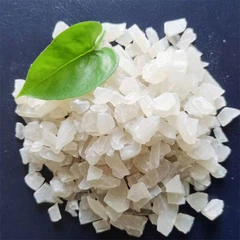
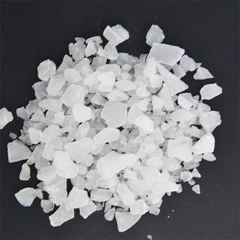
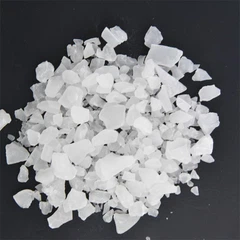
First off, let me briefly introduce industrial aluminum sulphate. Industrial aluminum sulphate, also known as alum, is a commonly used chemical in water treatment. It's available in different forms, such as powder and liquid. You can check out more about Industrial Aluminum Sulphate on our website. This chemical is great for clarifying water by removing suspended solids, turbidity, and some dissolved organic matter. It works by forming flocs, which are large particles that can easily settle out of the water.
Factors Affecting the Dosage
The dosage of industrial aluminum sulphate in water treatment isn't a one - size - fits - all deal. There are several factors that influence how much of it you should use.
Water Quality
The quality of the water you're treating is a major factor. If the water has a high level of turbidity, meaning it's full of suspended particles, you'll probably need a higher dosage of aluminum sulphate. For example, water from a river after heavy rainfall might be very turbid and require more alum to clarify. On the other hand, if the water is relatively clear with low turbidity, a lower dosage will do the job.
pH Level
The pH of the water also plays a crucial role. Aluminum sulphate works best within a certain pH range, usually between 5.5 and 8.5. If the pH is too low or too high, the effectiveness of the chemical can be reduced. You may need to adjust the pH of the water before adding aluminum sulphate or use a different dosage to compensate for the pH conditions.
Temperature
Temperature can affect the performance of aluminum sulphate. In general, lower temperatures slow down the chemical reactions involved in floc formation. So, in colder water, you might need to increase the dosage to achieve the same level of water clarification as in warmer water.
Determining the Optimal Dosage
Now, how do you figure out the right dosage? Well, there are a few methods.
Jar Testing
Jar testing is a common and effective way to determine the optimal dosage of aluminum sulphate. Here's how it works. You take several samples of the water you want to treat and put them in jars. Then, you add different amounts of aluminum sulphate to each jar. After that, you stir the samples at a certain speed for a specific period of time to simulate the mixing process in a real - world water treatment plant. Next, you let the samples sit and observe how the flocs form and settle. The jar with the best floc formation and water clarity indicates the approximate optimal dosage.
Pilot - Scale Testing
If you're dealing with a large - scale water treatment project, pilot - scale testing can be a good option. You set up a small - scale version of the water treatment system and test different dosages of aluminum sulphate under real - world conditions. This method gives you a more accurate idea of how the chemical will perform in the actual treatment process.
Typical Dosage Ranges
The dosage of industrial aluminum sulphate can vary widely depending on the factors we discussed earlier. In general, for water with low turbidity (less than 10 NTU - Nephelometric Turbidity Units), the dosage might range from 5 to 20 mg/L. For moderately turbid water (10 - 50 NTU), the dosage could be between 20 and 50 mg/L. And for highly turbid water (more than 50 NTU), you might need to use 50 mg/L or more.
Keep in mind that these are just rough estimates. You should always conduct proper testing to determine the exact dosage for your specific water treatment needs.
Different Forms of Aluminum Sulphate and Dosage
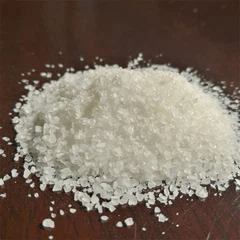
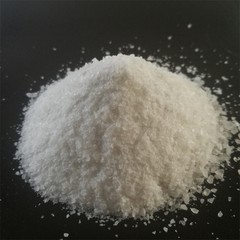
As I mentioned before, aluminum sulphate comes in different forms, like powder and liquid. Aluminum Sulphate Powder is often preferred because it's easier to store and transport. When using powder, you need to dissolve it in water before adding it to the treatment system. The dosage calculation is similar to that of the liquid form, but you need to make sure it's fully dissolved to ensure even distribution in the water.
Another type is Ferric Aluminium Sulphate. This form combines the properties of ferric salts and aluminum sulphate. It can be more effective in some cases, especially when dealing with water that has a high organic matter content. The dosage of ferric aluminium sulphate might be different from regular aluminum sulphate, and again, testing is essential to find the right amount.
Importance of Correct Dosage
Using the correct dosage of industrial aluminum sulphate is super important. If you use too little, the water won't be properly clarified. There will still be suspended particles and turbidity in the water, which can cause problems like clogging in pipes and filters, and it might not meet the required water quality standards.
On the other hand, if you use too much, it can lead to several issues. Excess aluminum sulphate can increase the aluminum concentration in the treated water, which can be harmful to human health and aquatic life. It can also increase the cost of water treatment as you're using more chemical than necessary.
Contact Us for Your Aluminum Sulphate Needs
If you're involved in water treatment and are looking for high - quality industrial aluminum sulphate, we're here to help. We have a wide range of products, including different forms of aluminum sulphate to meet your specific requirements. Whether you need to treat a small - scale water supply or a large industrial water system, we can provide you with the right product and offer advice on the appropriate dosage.


Don't hesitate to reach out to us for more information or to start a purchase negotiation. We're committed to providing you with the best solutions for your water treatment needs.
References
- AWWA (American Water Works Association). Water Quality and Treatment: A Handbook of Community Water Supplies.
- USEPA (United States Environmental Protection Agency). Drinking Water Treatment Technologies: A compendium of emerging technologies.
Send Inquiry