
What is the impact of moisture absorption on 16% aluminum sulphate?
Jun 24, 2025
Leave a message
As a supplier of 16% aluminum sulphate, I've witnessed firsthand the importance of understanding how environmental factors, particularly moisture absorption, can impact this versatile chemical compound. In this blog post, I'll delve into the effects of moisture absorption on 16% aluminum sulphate, exploring its implications for quality, storage, and applications.
Chemical Composition and Properties of 16% Aluminum Sulphate
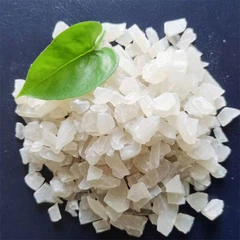
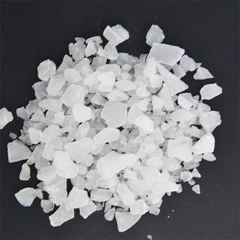
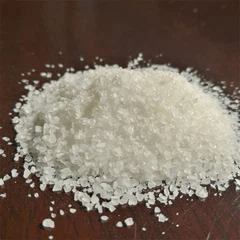
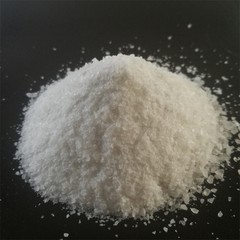
Before we discuss the impact of moisture absorption, let's briefly review the chemical composition and properties of 16% aluminum sulphate. Aluminum sulphate, with the chemical formula Al₂(SO₄)₃, is a white crystalline solid that is soluble in water. The "16%" refers to the percentage of aluminum oxide (Al₂O₃) in the compound, which is an important indicator of its purity and effectiveness.
16% aluminum sulphate is widely used in various industries, including water treatment, paper manufacturing, and the textile industry. In water treatment, it acts as a coagulant, helping to remove impurities and suspended particles from water. In paper manufacturing, it is used as a sizing agent to improve the paper's strength and water resistance. In the textile industry, it is used as a mordant to fix dyes to fabrics.
Moisture Absorption Mechanism
Moisture absorption, also known as hygroscopy, is the process by which a substance absorbs water vapor from the surrounding environment. Aluminum sulphate is a hygroscopic compound, which means it has a tendency to absorb moisture from the air. This is due to the presence of water molecules in its crystal structure, which can attract and bind to water vapor in the atmosphere.
When 16% aluminum sulphate absorbs moisture, it undergoes a physical change. The water molecules are adsorbed onto the surface of the crystals, causing them to swell and become sticky. In some cases, the absorbed moisture can also react with the aluminum sulphate, leading to chemical changes such as hydrolysis.
Impact on Physical Properties
The most obvious impact of moisture absorption on 16% aluminum sulphate is its effect on its physical properties. As the compound absorbs moisture, it becomes more difficult to handle and store. The sticky nature of the wet crystals can cause them to clump together, making it challenging to pour or transfer the material. This can lead to blockages in pipes and equipment, as well as difficulties in measuring and dosing the compound accurately.
Moisture absorption can also affect the particle size and shape of the aluminum sulphate crystals. The swelling of the crystals due to moisture absorption can cause them to break apart, resulting in a finer particle size distribution. This can have implications for the performance of the compound in certain applications, such as water treatment, where the particle size of the coagulant can affect its effectiveness in removing impurities.
Impact on Chemical Properties
In addition to its impact on physical properties, moisture absorption can also have a significant impact on the chemical properties of 16% aluminum sulphate. When the compound absorbs moisture, it can undergo hydrolysis, a chemical reaction in which water molecules break down the aluminum sulphate into its constituent ions.
The hydrolysis of aluminum sulphate can lead to the formation of aluminum hydroxide, a gelatinous precipitate that can have a negative impact on the performance of the compound in water treatment applications. Aluminum hydroxide can cause turbidity in the water, making it appear cloudy and reducing the effectiveness of the coagulation process. It can also form a scale on the surfaces of pipes and equipment, leading to corrosion and reduced efficiency.
Moisture absorption can also affect the pH of the aluminum sulphate solution. As the compound hydrolyzes, it releases hydrogen ions, which can lower the pH of the solution. This can have implications for the performance of the compound in applications where pH control is critical, such as water treatment and paper manufacturing.
Impact on Storage and Handling
The hygroscopic nature of 16% aluminum sulphate means that proper storage and handling are essential to prevent moisture absorption and maintain the quality of the compound. When storing aluminum sulphate, it is important to keep it in a dry, cool place away from sources of moisture. The storage area should be well-ventilated to prevent the accumulation of water vapor.

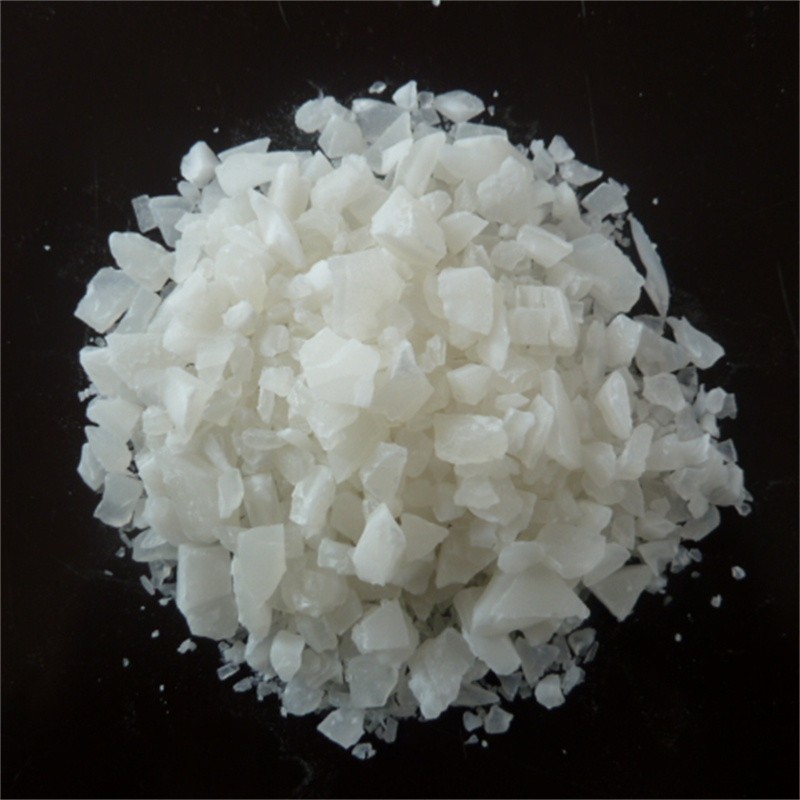
It is also important to use appropriate packaging materials to protect the aluminum sulphate from moisture. The compound should be stored in sealed containers made of materials that are resistant to moisture, such as plastic or metal. In some cases, desiccants can be added to the packaging to absorb any moisture that may be present.
When handling 16% aluminum sulphate, it is important to take precautions to prevent moisture absorption. Workers should wear appropriate personal protective equipment, such as gloves and goggles, to avoid contact with the compound. The compound should be handled in a dry environment, and any spills should be cleaned up immediately to prevent moisture from being absorbed.
Impact on Applications
The impact of moisture absorption on 16% aluminum sulphate can have significant implications for its performance in various applications. In water treatment, the formation of aluminum hydroxide due to hydrolysis can reduce the effectiveness of the coagulation process, leading to poor water quality. This can result in increased costs for water treatment plants, as they may need to use additional chemicals or treatment processes to achieve the desired water quality.
In paper manufacturing, the change in pH and physical properties of the aluminum sulphate due to moisture absorption can affect the quality of the paper. The reduced effectiveness of the sizing agent can result in paper that is weaker and more prone to water damage. This can lead to increased production costs and reduced product quality.
In the textile industry, the presence of aluminum hydroxide can cause problems with dye fixation. The gelatinous precipitate can interfere with the binding of the dye to the fabric, resulting in uneven coloration and reduced color fastness. This can lead to customer complaints and reduced sales for textile manufacturers.
Mitigating the Impact of Moisture Absorption
To mitigate the impact of moisture absorption on 16% aluminum sulphate, several strategies can be employed. One approach is to use a more stable form of aluminum sulphate, such as Iron Free Aluminum Sulphate Flakes or Non Ferric 17% Aluminum Sulphate Flakes. These products are less hygroscopic and more resistant to hydrolysis, making them more suitable for applications where moisture absorption is a concern.
Another strategy is to improve the storage and handling conditions of the aluminum sulphate. This can include using airtight containers, storing the compound in a dry environment, and using desiccants to absorb moisture. Additionally, regular inspections of the storage area and the compound itself can help to identify any signs of moisture absorption early on, allowing for prompt action to be taken.
In some cases, it may be necessary to treat the aluminum sulphate to remove any absorbed moisture. This can be done by heating the compound to a high temperature to drive off the water molecules. However, this process can be energy-intensive and may also affect the chemical properties of the compound, so it should be used with caution.
Conclusion
In conclusion, moisture absorption can have a significant impact on the physical, chemical, and performance properties of 16% aluminum sulphate. As a supplier of this important chemical compound, it is essential to understand these effects and take appropriate measures to mitigate them. By using high-quality products, improving storage and handling conditions, and implementing appropriate treatment strategies, we can ensure that our customers receive a product that meets their needs and performs effectively in their applications.
If you are interested in purchasing 16% Aluminum Sulphate or have any questions about its use and storage, please do not hesitate to contact us. We are committed to providing our customers with the highest quality products and the best possible service.
References
- "Aluminum Sulfate." Encyclopedia Britannica.
- "Water Treatment Chemicals: Aluminum Sulfate." US Environmental Protection Agency.
- "Paper Manufacturing Processes." Pulp and Paper Canada.
- "Textile Dyeing and Finishing." International Textile Manufacturers Federation.
Send Inquiry