
What is the role of aluminium sulphate water in the food industry if it is used?
Sep 19, 2025
Leave a message
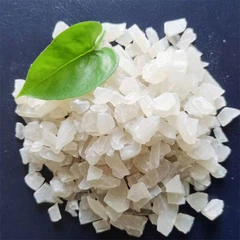
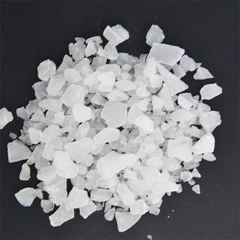
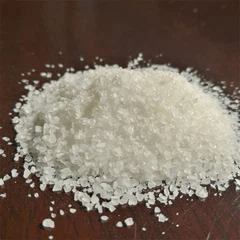
Hey there! I'm an aluminum sulphate water supplier, and today I want to talk about the role of aluminum sulphate water in the food industry. Aluminum sulphate, also known as alum, has been used in various industries for a long time, and the food industry is no exception.
Clarifying Agent in Beverage Production
One of the key roles of aluminum sulphate water in the food industry is as a clarifying agent, especially in the production of beverages like beer and wine. In the brewing process of beer, the wort (the liquid extracted from malt) contains various suspended particles such as proteins, tannins, and yeast cells. These particles can make the beer appear cloudy and affect its clarity and stability. Aluminum sulphate can act as a coagulant. When added to the wort, it causes the suspended particles to clump together and form larger aggregates. These aggregates then settle to the bottom of the container more easily, making it simpler to separate the clear liquid from the sediment.
The same principle applies to winemaking. Wines often need to be clarified to enhance their visual appeal and shelf - life. Aluminum sulphate helps in removing unwanted particles that can cause haziness in the wine. By using it, winemakers can achieve a clearer and more stable product. If you're interested in how aluminum sulphate is used for water treatment in beverage production, check out Aluminum Sulfate for Water Treatment.
Adjusting pH in Food Processing
Aluminum sulphate water can also be used to adjust the pH level in certain food processing operations. In the production of pickles and some canned foods, maintaining the right pH is crucial for food safety and quality. A lower pH can inhibit the growth of harmful microorganisms, extending the shelf - life of the product. Aluminum sulphate can be added in small amounts to help lower the pH of the brine or the food matrix.
For example, in the pickling process, cucumbers are soaked in a brine solution. By adding a carefully measured amount of aluminum sulphate water, the pH of the brine can be adjusted to an optimal level. This not only helps in preserving the pickles but also gives them a better texture and flavor. It's important to note that the use of aluminum sulphate for pH adjustment must be within the legal limits set by food safety regulations.
Tofu Coagulation
In the production of tofu, aluminum sulphate has a long - standing history of use as a coagulant. Tofu is made from soy milk, and the coagulation process is what turns the liquid soy milk into a solid curd. Aluminum sulphate reacts with the proteins in soy milk, causing them to denature and form a gel - like structure.
When added to soy milk, aluminum sulphate ions interact with the negatively charged groups on the soy proteins. This neutralizes the charges and allows the proteins to come together and form a network that traps water and gives tofu its characteristic texture. Different types of tofu, such as soft tofu and firm tofu, can be produced by adjusting the amount of aluminum sulphate used and the coagulation conditions. However, in recent years, there has been some concern about the potential health effects of excessive aluminum intake from tofu made with aluminum sulphate. So, the use of alternative coagulants like calcium sulfate and magnesium chloride has also become more popular. If you want to know more about the use of aluminum sulphate in water - related food processes, Aluminum Sulphate for Drinking Water Treatment provides some useful insights.
Quality Control in Seafood Processing
In seafood processing, aluminum sulphate water can play a role in quality control. Seafood, especially shellfish and some fish, can sometimes have a slimy or sticky surface. Aluminum sulphate can be used in a pre - treatment step to reduce this slime. When the seafood is soaked in a solution containing a small amount of aluminum sulphate, it can help in removing the surface mucus and make the seafood easier to handle and process.
Moreover, it can also have a minor effect on the color and texture of the seafood. By using aluminum sulphate water in the right concentration, processors can improve the overall appearance and quality of the seafood products. This is particularly important for products that are sold fresh or are used in further food processing. For more information on the application of aluminum sulphate in water treatment related to food - grade water for seafood processing, Aluminum Sulphate for Portable Water is a great resource.
Safety Considerations
While aluminum sulphate has its uses in the food industry, safety is always a top concern. There have been studies suggesting a possible link between excessive aluminum intake and certain health problems, such as Alzheimer's disease. As a result, many countries have strict regulations regarding the use of aluminum sulphate in food.
Food manufacturers must ensure that the amount of aluminum sulphate used is within the permitted limits. They also need to label products properly if aluminum sulphate has been used in the production process. As a supplier, I always make sure to provide accurate information about the product and its proper usage to my customers to ensure food safety.
Conclusion
In conclusion, aluminum sulphate water has several important roles in the food industry, from clarifying beverages and adjusting pH to coagulating tofu and improving seafood quality. However, its use must be carefully regulated to ensure food safety. If you're involved in the food industry and are looking for a reliable source of aluminum sulphate water, I'm here to help. Whether you need it for small - scale artisanal food production or large - scale industrial processing, I can provide high - quality products.
If you're interested in discussing your specific needs or want to place an order, feel free to reach out. I'd be more than happy to have a chat with you and find the best solution for your business.


References
- Codex Alimentarius Commission. General Standard for Food Additives.
- Food and Agriculture Organization of the United Nations. "Safety Evaluation of Certain Food Additives".
- Scientific Committee on Food of the European Union. Opinion on Aluminium in Food.
Send Inquiry