

What are the best combinations of aluminium sulfate with other chemicals for water treatment?
Sep 18, 2025
Leave a message
Hey there! I'm a supplier in the aluminium sulfate water treatment business, and today I wanna chat about the best combos of aluminium sulfate with other chemicals for water treatment.
Why Aluminium Sulfate in Water Treatment?
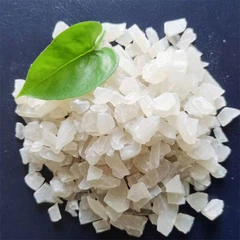
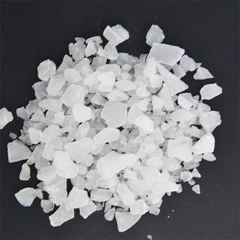
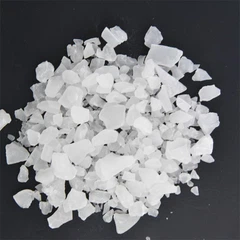
First off, let's talk a bit about aluminium sulfate itself. Aluminium sulfate, also known as alum, is a go - to chemical in water treatment. It's super effective at removing suspended solids, turbidity, and even some organic matter from water. When it's added to water, it forms a gelatinous precipitate of aluminium hydroxide. This precipitate traps the impurities in the water, making them easier to remove through processes like sedimentation and filtration. You can learn more about Aluminium Sulfate Water Treatment.
Combinations with Polyelectrolytes
One of the most common and effective combinations is aluminium sulfate with polyelectrolytes. Polyelectrolytes are polymers that carry an electric charge. They can be either cationic (positively charged), anionic (negatively charged), or non - ionic.
When we combine aluminium sulfate with cationic polyelectrolytes, it's a match made in heaven for treating water with negatively charged particles. The positively charged polyelectrolyte helps to neutralize the negative charge on the suspended particles, and the aluminium sulfate then helps to form larger flocs. These larger flocs settle more quickly, which speeds up the sedimentation process.
On the other hand, anionic polyelectrolytes can be combined with aluminium sulfate in water that has a high concentration of positively charged particles. The negatively charged polyelectrolyte will bind with the positive particles, and again, the aluminium sulfate will assist in floc formation. Non - ionic polyelectrolytes can be used in situations where the charge of the particles in the water is not well - defined. They mainly act as bridging agents, helping the aluminium hydroxide flocs to grow larger.
Mixing with Ferric Compounds
Another great combination is aluminium sulfate with ferric compounds, like ferric chloride or Ferric Aluminium Sulphate. Ferric compounds are also effective coagulants. They work in a similar way to aluminium sulfate by forming insoluble hydroxides that can trap impurities.
When we mix aluminium sulfate with ferric compounds, we can take advantage of the different properties of each. Ferric compounds are often more effective at lower pH levels, while aluminium sulfate works well in a slightly higher pH range. By combining them, we can achieve good coagulation over a wider pH range. This is really useful because the pH of water sources can vary a lot.
Also, ferric compounds can sometimes form denser and heavier flocs compared to aluminium sulfate alone. So, when we combine them, we get a more robust flocculation process. The flocs are larger, stronger, and settle more rapidly, which leads to better water clarification.
Aluminium Sulfate and Lime
Lime (calcium hydroxide) is another chemical that can be combined with aluminium sulfate. Lime is often used to adjust the pH of the water. As I mentioned earlier, the effectiveness of aluminium sulfate depends on the pH of the water. It works best in a pH range of about 5.5 - 7.5.
If the water is too acidic, adding lime can raise the pH to the optimal range for aluminium sulfate to work. Lime also helps to increase the alkalinity of the water, which can prevent the formation of acidic by - products during the coagulation process. When we add lime along with aluminium sulfate, we can improve the overall efficiency of the water treatment process. The combination helps to form more stable flocs and reduces the amount of aluminium residual in the treated water.
Aluminium Sulfate and Activated Carbon
Activated carbon is a porous material that is excellent at adsorbing organic compounds, odors, and some heavy metals from water. When we combine aluminium sulfate with activated carbon, we can address multiple water quality issues at once.
The aluminium sulfate first helps to remove the suspended solids and turbidity from the water through coagulation and flocculation. Then, the activated carbon can adsorb the remaining organic matter and other contaminants. This combination is especially useful for treating water from sources that are contaminated with industrial pollutants or natural organic matter.
Our Product: Aluminum Sulfate Iron Free Grade Fine Powder Type 0 - 1mm
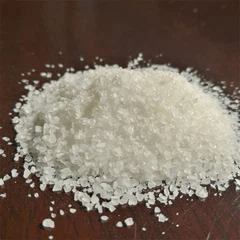
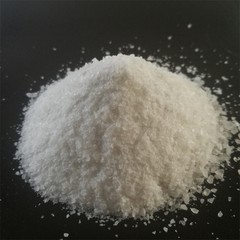
We offer Aluminum Sulfate Iron Free Grade Fine Powder Type 0 - 1mm. This product is great for water treatment. The iron - free grade ensures that there is no unwanted color or iron - related issues in the treated water. The fine powder form allows for quick dissolution in water, which speeds up the coagulation process.
Conclusion and Call to Action
In conclusion, there are several great combinations of aluminium sulfate with other chemicals for water treatment. Each combination has its own advantages and is suitable for different water quality scenarios. Whether it's polyelectrolytes, ferric compounds, lime, or activated carbon, the right combination can significantly improve the efficiency of the water treatment process.


If you're in the market for high - quality aluminium sulfate for water treatment or wanna learn more about these chemical combinations, feel free to reach out. We're here to help you find the best solution for your water treatment needs. Let's have a chat and see how we can work together to make your water treatment process more effective and efficient.
References
- Letterman, R. D., & Driscoll, C. T. (Eds.). (2017). Water Quality and Treatment: A Handbook of Community Water Supplies. McGraw - Hill Education.
- AWWA. (2019). Water Treatment Plant Design. American Water Works Association.
Send Inquiry