
What is the solubility of reagent grade aluminum sulphate in different solvents?
Oct 10, 2025
Leave a message
As a supplier of reagent grade aluminum sulphate, I've often been asked about the solubility of this essential compound in different solvents. Solubility is a crucial property that determines how aluminum sulphate behaves in various applications, from water treatment to paper manufacturing. In this blog post, I'll delve into the solubility of reagent grade aluminum sulphate in different solvents, exploring the factors that influence it and its implications for different industries.
Understanding Aluminum Sulphate
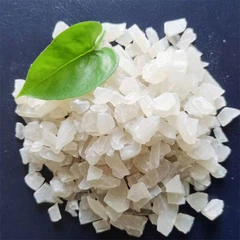
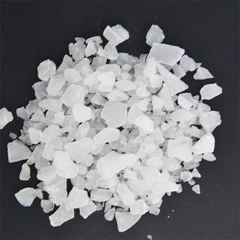
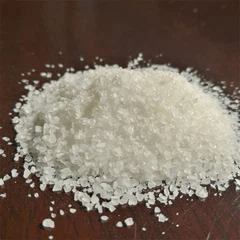
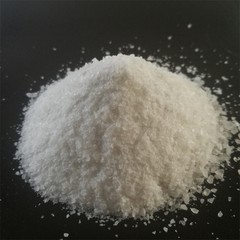
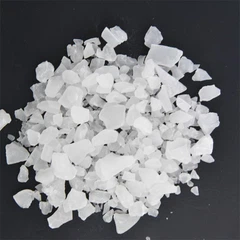
Reagent grade aluminum sulphate, with the chemical formula Al₂(SO₄)₃, is a white crystalline solid that is commonly used in a wide range of industrial and laboratory applications. It is highly soluble in water, which makes it a popular choice for water treatment processes, as it can effectively remove impurities and contaminants from water. In addition to water treatment, aluminum sulphate is also used in the paper industry, textile industry, and as a mordant in dyeing processes.
Solubility in Water
Water is the most common solvent for aluminum sulphate, and its solubility in water is well-documented. At room temperature (around 20°C), approximately 36.4 grams of aluminum sulphate can dissolve in 100 milliliters of water. As the temperature increases, the solubility of aluminum sulphate in water also increases. For example, at 100°C, the solubility of aluminum sulphate in water can reach up to 89 grams per 100 milliliters.
The high solubility of aluminum sulphate in water is due to its ionic nature. When aluminum sulphate dissolves in water, it dissociates into aluminum ions (Al³⁺) and sulphate ions (SO₄²⁻). These ions are surrounded by water molecules through a process called hydration, which stabilizes the ions in solution. The solubility of aluminum sulphate in water can also be affected by the presence of other ions in the solution. For example, the presence of calcium ions can reduce the solubility of aluminum sulphate in water, as calcium ions can react with sulphate ions to form insoluble calcium sulphate.
Solubility in Organic Solvents
While aluminum sulphate is highly soluble in water, its solubility in organic solvents is generally much lower. Organic solvents such as ethanol, methanol, and acetone have different polarities and intermolecular forces compared to water, which can affect the solubility of aluminum sulphate.
In ethanol, the solubility of aluminum sulphate is relatively low. At room temperature, only a small amount of aluminum sulphate can dissolve in ethanol. This is because ethanol has a lower dielectric constant compared to water, which means that it is less effective at solvating ions. As a result, the aluminum and sulphate ions in aluminum sulphate are less likely to be separated and surrounded by ethanol molecules, leading to lower solubility.
Similarly, in methanol, the solubility of aluminum sulphate is also limited. Methanol has a slightly higher dielectric constant than ethanol, but it is still less polar than water. Therefore, the solubility of aluminum sulphate in methanol is also relatively low.
Acetone is a non-polar organic solvent, and aluminum sulphate is essentially insoluble in acetone. The non-polar nature of acetone means that it cannot effectively solvate the ionic aluminum and sulphate ions in aluminum sulphate, resulting in very low solubility.
Solubility in Acidic and Basic Solutions
The solubility of aluminum sulphate can also be affected by the pH of the solution. In acidic solutions, the solubility of aluminum sulphate generally increases. This is because the hydrogen ions (H⁺) in acidic solutions can react with the hydroxide ions (OH⁻) that may be present in the solution, preventing the formation of insoluble aluminum hydroxide. As a result, more aluminum sulphate can dissolve in the solution.
In basic solutions, the solubility of aluminum sulphate decreases. This is because the hydroxide ions (OH⁻) in basic solutions can react with the aluminum ions (Al³⁺) to form insoluble aluminum hydroxide (Al(OH)₃). As the concentration of hydroxide ions increases, more aluminum hydroxide is formed, reducing the solubility of aluminum sulphate in the solution.
Implications for Different Industries
The solubility of reagent grade aluminum sulphate in different solvents has significant implications for various industries.
In the water treatment industry, the high solubility of aluminum sulphate in water is essential for its use as a coagulant. When added to water, aluminum sulphate dissolves and forms positively charged aluminum ions, which can neutralize the negative charges on suspended particles in the water. This causes the particles to come together and form larger aggregates, which can then be easily removed by sedimentation or filtration.
In the paper industry, aluminum sulphate is used as a sizing agent to improve the strength and water resistance of paper. The solubility of aluminum sulphate in water allows it to be easily incorporated into the paper-making process. It can react with the cellulose fibers in the paper to form a cross-linked structure, which enhances the physical properties of the paper.
In the textile industry, aluminum sulphate is used as a mordant in dyeing processes. The solubility of aluminum sulphate in water enables it to bind to the textile fibers and the dye molecules, improving the color fastness of the dyed textiles.

Our Product Offerings
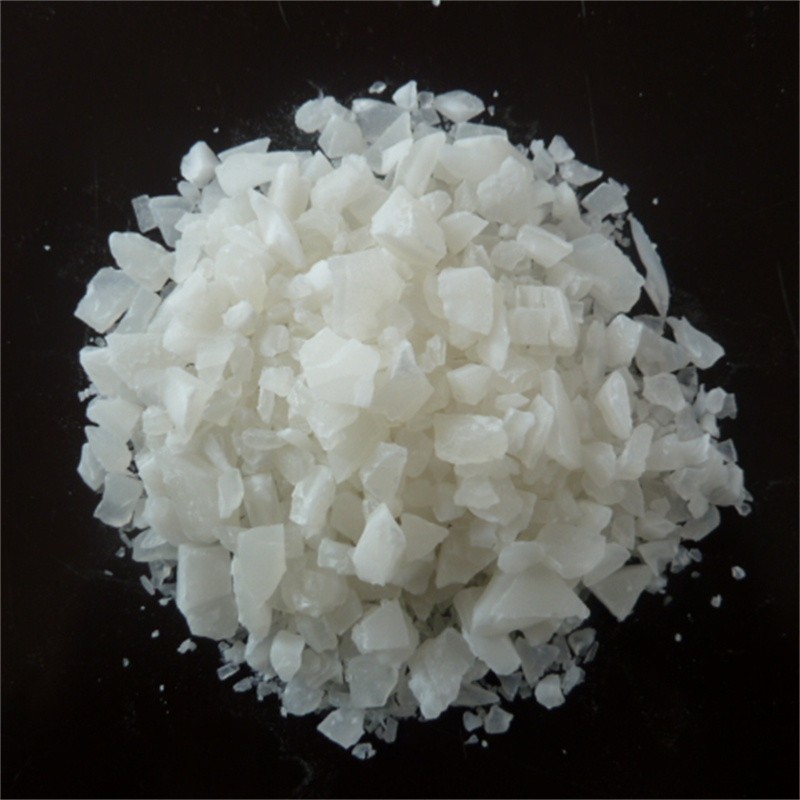
As a supplier of reagent grade aluminum sulphate, we offer a range of high-quality products to meet the diverse needs of our customers. Our 16% Aluminum Sulphate is a popular choice for water treatment applications, as it provides a cost-effective and efficient way to remove impurities from water. Our Aluminium Sulphate 17 is suitable for a wide range of industrial applications, including paper manufacturing and textile dyeing. We also offer Iron Free Aluminum Sulphate Granules, which are ideal for applications where the presence of iron needs to be minimized.
Contact Us for Procurement
If you are interested in purchasing reagent grade aluminum sulphate for your specific application, we encourage you to contact us for more information. Our team of experts can provide you with detailed product specifications, technical support, and pricing information. We are committed to providing high-quality products and excellent customer service, and we look forward to working with you to meet your aluminum sulphate needs.
References
- Handbook of Chemistry and Physics. CRC Press.
- Solubility Data Series, Volume 1: Inorganic Salts in Water. Pergamon Press.
- Industrial Chemistry: An Introduction. John Wiley & Sons.
Send Inquiry