

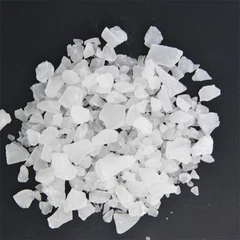
Can 17% aluminum sulphate powder be used in textile dyeing?
Oct 09, 2025
Leave a message
Can 17% Aluminum Sulphate Powder Be Used in Textile Dyeing?
As a supplier of 17% aluminum sulphate powder, I've often been asked about its potential applications in textile dyeing. This question not only reflects the industry's constant pursuit of high - quality and cost - effective dyeing agents but also shows the importance of understanding the properties and functions of different chemicals in textile processes. In this blog, I'll explore whether 17% aluminum sulphate powder can be used in textile dyeing, based on its chemical properties, industry practices, and potential benefits.
Chemical Properties of 17% Aluminum Sulphate Powder
Aluminum sulphate, with the chemical formula (Al_2(SO_4)_3), is a widely used chemical compound. The 17% aluminum sulphate powder indicates that it contains 17% of the active aluminum sulphate component, which is typically obtained through a purification and concentration process.
One of the key properties of aluminum sulphate is its ability to hydrolyze in water. When dissolved in water, it forms aluminum hydroxide and sulfuric acid. The aluminum hydroxide can act as a mordant in textile dyeing. A mordant is a substance that helps the dye to bond more firmly to the fabric fibers. It forms a chemical bridge between the dye and the fibers, improving the color fastness of the dyed fabric.
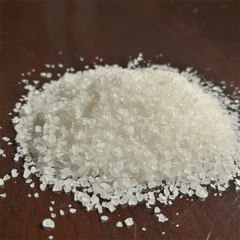
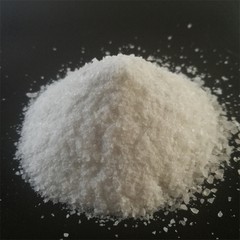
Another important aspect is its solubility. The 17% powder form usually has good solubility in water, which is crucial for its application in textile dyeing. A well - dissolved mordant can evenly distribute throughout the dye bath, ensuring uniform dyeing of the fabric.
Industry Practices
In the textile industry, mordants have been used for centuries to enhance the dyeing process. Traditional mordants include substances like alum (which is a form of aluminum sulphate), copper salts, and iron salts. Aluminum sulphate, especially in the form of 17% powder, has found its place in modern textile dyeing for several reasons.
Many small - scale and artisanal textile dyers prefer 17% aluminum sulphate powder because it is relatively inexpensive and easy to handle. It can be used with a variety of natural dyes, such as indigo, madder, and cochineal. These natural dyes often require a mordant to achieve vibrant and long - lasting colors. For example, when dyeing cotton or linen with natural dyes, the 17% aluminum sulphate powder can be added to the dye bath before or during the dyeing process. This helps the natural dyes to adhere better to the cellulose fibers of the fabric, resulting in more intense and color - fast shades.


On a larger industrial scale, 17% aluminum sulphate powder is also used in some synthetic dyeing processes. Some synthetic dyes may not have strong enough affinity for the fabric fibers on their own. By using 17% aluminum sulphate as a mordant, the dye - fiber bond can be strengthened, reducing the amount of dye that may bleed or fade during washing or exposure to sunlight.
Potential Benefits
One of the main benefits of using 17% aluminum sulphate powder in textile dyeing is improved color fastness. Color fastness refers to the ability of a dyed fabric to retain its color under various conditions, such as washing, rubbing, and exposure to light. As mentioned earlier, the aluminum hydroxide formed by the hydrolysis of aluminum sulphate can act as a bridge between the dye and the fabric fibers. This results in a more stable dye - fiber complex, reducing the likelihood of color loss.
Another advantage is its environmental friendliness compared to some other mordants. Aluminum sulphate is a relatively non - toxic compound. When used in the recommended amounts, it has a lower environmental impact than some heavy metal - based mordants, such as copper and chromium salts. This makes it a more sustainable choice for textile dyers who are concerned about the environmental footprint of their operations.
In addition, 17% aluminum sulphate powder can also improve the dyeing efficiency. It can help to reduce the amount of dye needed to achieve the desired color intensity. This not only saves costs but also reduces the amount of dye waste in the dyeing process.
Limitations and Considerations
However, there are also some limitations and considerations when using 17% aluminum sulphate powder in textile dyeing. One issue is its pH sensitivity. The hydrolysis of aluminum sulphate releases sulfuric acid, which can lower the pH of the dye bath. Some dyes may be sensitive to low pH levels, and this can affect the color development. Therefore, it is important to monitor and adjust the pH of the dye bath when using 17% aluminum sulphate powder.
Another consideration is the potential for over - mordanting. If too much aluminum sulphate is used, it can lead to a build - up of aluminum hydroxide on the fabric surface. This can cause the fabric to feel stiff and may also affect the appearance of the dyed fabric. Therefore, proper dosage control is essential.
Our Product Offerings
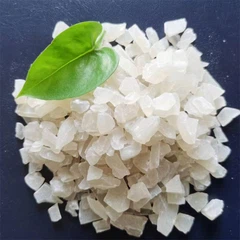
As a supplier of 17% aluminum sulphate powder, we offer high - quality products that are suitable for textile dyeing. Our 17% aluminum sulphate powder is carefully processed to ensure consistent quality and high solubility. We also provide technical support to our customers, helping them to determine the appropriate dosage and application methods for their specific dyeing needs.
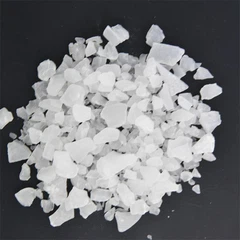
In addition to the 17% aluminum sulphate powder, we also offer other related products such as Iron Free Aluminum Sulphate Granules, Aluminium Sulphate 17, and Non Iron Aluminum Sulphate. These products may have different properties and applications, and our team can assist you in choosing the most suitable one for your textile dyeing process.
Conclusion
In conclusion, 17% aluminum sulphate powder can indeed be used in textile dyeing. Its properties as a mordant, combined with its cost - effectiveness and relative environmental friendliness, make it a viable option for both small - scale and large - scale textile dyers. However, it is important to be aware of its limitations and to use it correctly to achieve the best results.
If you are interested in purchasing 17% aluminum sulphate powder for your textile dyeing needs or would like to learn more about our product offerings, please feel free to contact us for further discussion and procurement negotiation. We are committed to providing you with the best products and services to meet your requirements.
References
- Lewis, M. (2007). Natural Dyeing: A Handbook of Traditional Dyes and Techniques. New York: Sterling Publishing.
- Mello, C. M., & Hubbe, M. A. (2009). Aluminum chemistry in water treatment: hydrolysis, polymer formation, and solid solubility. Chemical Reviews, 109(4), 1357 - 1381.
- Zollinger, H. (2003). Color Chemistry: Syntheses, Properties, and Applications of Organic Dyes and Pigments. Weinheim: Wiley - VCH.
Send Inquiry