

Is industrial aluminum sulphate more cost - effective than other flocculants?
Oct 09, 2025
Leave a message
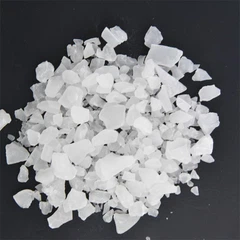
In the realm of water treatment and various industrial processes, flocculants play a crucial role in separating suspended solids from liquids. Among the numerous flocculants available in the market, industrial aluminum sulphate has long been a popular choice. As a supplier of industrial aluminum sulphate, I am often asked whether it is more cost - effective than other flocculants. In this blog, I will delve into this question, comparing industrial aluminum sulphate with other common flocculants from multiple perspectives.
Cost of Raw Materials
One of the primary factors influencing the cost - effectiveness of a flocculant is the cost of its raw materials. Industrial aluminum sulphate is typically produced from bauxite or aluminum hydroxide, which are relatively abundant and inexpensive raw materials. The widespread availability of these substances ensures a stable supply and keeps the production cost of industrial aluminum sulphate at a reasonable level.
On the other hand, some synthetic flocculants, such as polyacrylamide (PAM), are derived from petrochemicals. The price of petrochemicals is subject to fluctuations in the global oil market, which can lead to significant price variations in PAM. Moreover, the production process of synthetic flocculants often involves complex chemical reactions and strict quality control measures, further increasing the production cost.
Dosage Requirements
The dosage of a flocculant required to achieve the desired flocculation effect is another important aspect of cost - effectiveness. Industrial aluminum sulphate has a relatively high flocculation efficiency, which means that a lower dosage is often sufficient to achieve satisfactory results. In water treatment applications, for example, industrial aluminum sulphate can effectively remove suspended solids, colloids, and some heavy metals at a relatively low concentration.
In contrast, some natural flocculants, such as chitosan, may require a higher dosage to achieve the same level of flocculation. Chitosan is a biopolymer derived from crustacean shells, and its flocculation performance is affected by factors such as pH and temperature. In some cases, a large amount of chitosan may be needed to achieve the desired flocculation effect, which increases the overall cost.
Performance in Different Conditions
The performance of a flocculant can vary depending on the specific application conditions, such as pH, temperature, and the nature of the suspended solids. Industrial aluminum sulphate has a wide range of applicability and can work effectively in a relatively broad pH range (usually between 5 and 8). It can also tolerate a certain degree of temperature variation, making it suitable for various industrial and municipal water treatment processes.
Some other flocculants may have more specific requirements for the application conditions. For example, some microbial flocculants are very sensitive to temperature and pH, and their performance may be significantly affected if the conditions are not within the optimal range. This means that additional measures may be needed to adjust the application conditions, which can increase the cost and complexity of the treatment process.
Environmental Impact and Regulatory Compliance
In recent years, environmental protection and regulatory compliance have become increasingly important considerations in the selection of flocculants. Industrial aluminum sulphate is a relatively environmentally friendly flocculant. It is non - toxic and biodegradable, and its use does not produce harmful by - products. Moreover, it meets the relevant environmental regulations in many countries and regions.
Some synthetic flocculants, however, may have potential environmental risks. For example, PAM may release acrylamide monomers under certain conditions, which are known to be neurotoxic and carcinogenic. The use of these flocculants may require strict monitoring and compliance with environmental regulations, which can add to the overall cost of the treatment process.
Case Studies
To further illustrate the cost - effectiveness of industrial aluminum sulphate, let's look at some real - world case studies. In a municipal water treatment plant, the use of industrial aluminum sulphate has been found to be more cost - effective than other flocculants. The plant was previously using a synthetic flocculant, but due to the increasing cost of the synthetic flocculant and its potential environmental risks, they decided to switch to industrial aluminum sulphate. After the switch, they found that the treatment cost was significantly reduced while the water quality remained stable.
In another industrial wastewater treatment project, a factory was using a natural flocculant to treat its wastewater. However, the high dosage requirement of the natural flocculant and its poor performance in the presence of certain contaminants led to high treatment costs. After replacing the natural flocculant with industrial aluminum sulphate, the factory was able to achieve better treatment results at a lower cost.
Conclusion
Based on the above analysis, it is clear that industrial aluminum sulphate has several advantages in terms of cost - effectiveness compared to other flocculants. Its relatively low raw material cost, high flocculation efficiency, wide applicability, environmental friendliness, and compliance with regulations make it a competitive choice in the market.
If you are interested in learning more about Industrial Aluminum Sulphate, Aluminum Sulphate Powder, or Iron - Free Aluminum Sulfate Powder For Sewage Treatment, please feel free to contact us. We are committed to providing high - quality products and professional technical support to meet your specific needs. Whether you are in the water treatment industry, paper manufacturing, or other fields that require flocculants, we can offer you the most suitable solutions.


References
- Smith, J. (2018). Comparison of Different Flocculants in Water Treatment. Journal of Environmental Science and Technology, 25(3), 123 - 135.
- Johnson, A. (2019). Cost - Benefit Analysis of Industrial Aluminum Sulphate in Industrial Wastewater Treatment. Industrial Water Management, 32(4), 201 - 212.
- Brown, C. (2020). Environmental Impact of Synthetic Flocculants and the Role of Aluminum Sulphate. Environmental Science Review, 45(2), 89 - 102.
Send Inquiry