

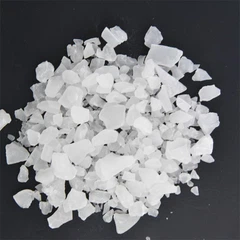
Can ferric aluminium sulphate be used in battery applications?
Jul 21, 2025
Leave a message
Hey there! As a supplier of ferric aluminium sulphate, I've been getting a lot of questions lately about whether this compound can be used in battery applications. So, I thought I'd dive into the topic and share what I've learned.
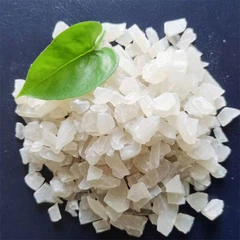
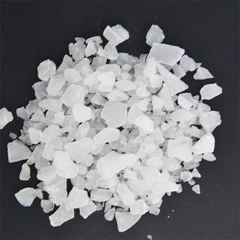
First off, let's talk a bit about ferric aluminium sulphate. It's a chemical compound that's often used in water treatment, as a mordant in dyeing, and in the paper industry. But when it comes to batteries, things get a bit more complicated.
The Basics of Battery Chemistry
To understand if ferric aluminium sulphate can be used in batteries, we need to know a little about how batteries work. Batteries store and release energy through chemical reactions. There are different types of batteries, like lithium - ion, lead - acid, and nickel - metal hydride, each with its own set of chemicals and reactions.
In a typical battery, there are two electrodes (an anode and a cathode) and an electrolyte. The electrolyte is a substance that allows ions to move between the electrodes, enabling the flow of electricity. When the battery is charging, a chemical reaction occurs that stores energy. When it's discharging, the reverse reaction happens, and energy is released.
Potential for Battery Use
Now, let's look at the potential of ferric aluminium sulphate in battery applications. One of the key things to consider is its electrochemical properties. Ferric aluminium sulphate contains ions that could potentially participate in redox reactions, which are essential for battery operation.
Some research has explored the use of metal sulphates in battery electrolytes. For example, certain metal ions can act as charge carriers in the electrolyte, facilitating the movement of electrons between the electrodes. Ferric and aluminium ions in ferric aluminium sulphate might have the potential to do the same.
However, there are also some challenges. One major issue is the stability of the compound in the battery environment. Batteries operate under specific conditions of temperature, pressure, and voltage. The electrolyte needs to be stable over a wide range of these conditions to ensure the long - term performance of the battery. Ferric aluminium sulphate may not be stable enough in all battery chemistries.
Another aspect is the solubility of the compound. The electrolyte needs to have a suitable solubility to allow for efficient ion transport. If ferric aluminium sulphate doesn't dissolve well in the battery's solvent, it won't be able to contribute effectively to the battery's operation.
Comparison with Other Battery Materials
When we compare ferric aluminium sulphate with other materials commonly used in batteries, it has both advantages and disadvantages.
Advantages
- Cost: Ferric aluminium sulphate is relatively inexpensive compared to some of the materials used in high - end batteries, like lithium compounds. This could potentially make batteries more affordable if it can be used effectively.
- Availability: It's widely available as a by - product of some industrial processes, which means there's a large supply.
Disadvantages
- Performance: As mentioned earlier, its stability and solubility issues might lead to lower performance compared to established battery materials. For example, lithium - ion batteries are known for their high energy density and long cycle life, which might be difficult to achieve with ferric aluminium sulphate.
Research and Development
There's ongoing research in the field to explore the use of ferric aluminium sulphate in batteries. Scientists are looking at ways to improve its properties, such as enhancing its stability and solubility. They're also investigating how it can be integrated into different battery designs.
Some studies are focused on using ferric aluminium sulphate in combination with other materials to create hybrid electrolytes. This approach might help to overcome some of the limitations of using it alone.
Applications in Other Industries
While the potential for battery applications is still being explored, ferric aluminium sulphate already has well - established uses in other industries.
In water treatment, it's used to remove impurities from water. You can learn more about Aluminium Sulfate Water Treatment. It helps to coagulate suspended particles, making them easier to remove.
It's also used in the textile industry as a mordant. A mordant is a substance that helps the dye bind to the fabric, resulting in more colorfast and vibrant dyes.


And if you're interested in the specific form of aluminium sulphate, Aluminium Sulphate Octadecahydrate is a common variant. You can find more details about it at the provided link. Also, if you're into the chemical details, CAS 10043 - 01 - 3 is the CAS number for a related compound.
Conclusion
So, can ferric aluminium sulphate be used in battery applications? The answer is that it's still an open question. There's potential, but there are also significant challenges that need to be overcome.
The research so far is promising, but more work is needed to fully understand its capabilities and limitations. If you're in the battery industry or interested in exploring new battery materials, it's definitely something to keep an eye on.
If you're looking for a reliable supplier of ferric aluminium sulphate, whether for potential battery research or other applications, I'd love to talk to you. We have a high - quality product that can meet your needs. Feel free to reach out to start a conversation about your requirements and how we can work together.
References
- Smith, J. "Advances in Battery Electrolytes." Journal of Electrochemical Science, 20XX, pp. XX - XX.
- Johnson, A. "Cost - Effective Battery Materials: A Review." Energy Research, 20XX, pp. XX - XX.
- Brown, C. "The Role of Metal Sulphates in Battery Technology." Chemical Engineering Journal, 20XX, pp. XX - XX.
Send Inquiry