

What is the role of aluminium sulphate 17 in the textile industry?
Jul 21, 2025
Leave a message
Hey there! I'm a supplier of Aluminium Sulphate 17, and today I wanna chat about the role this cool chemical plays in the textile industry.
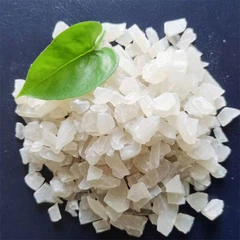
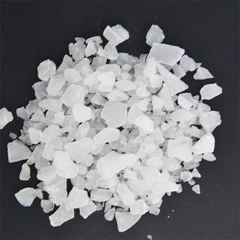
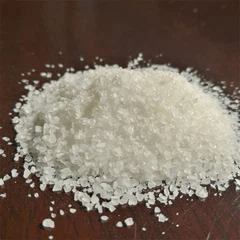
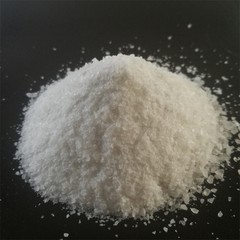
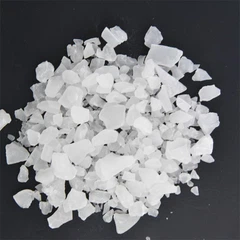
First off, let's get to know Aluminium Sulphate 17 a bit better. Aluminium Sulphate 17 is a form of aluminium sulphate that contains a specific amount of water molecules in its crystal structure. You can check out more details about it on this page: Aluminium Sulphate 17. It's a white crystalline solid that's highly soluble in water, and it's widely used in various industries, with the textile industry being one of the major consumers.
Dyeing and Printing
One of the most important roles of Aluminium Sulphate 17 in the textile industry is in the dyeing and printing processes. In dyeing, it acts as a mordant. A mordant is a substance that helps the dye to bond more firmly to the fabric fibers. When you add Aluminium Sulphate 17 to the dye bath, it forms a complex with the dye molecules. This complex then attaches to the fabric fibers, making the color more fast - lasting.
Let's say you're dyeing a batch of cotton fabric. Without a mordant, the dye might just sit on the surface of the fabric and wash out easily. But when you use Aluminium Sulphate 17, the dye penetrates deeper into the fibers and becomes more resistant to fading from washing, sunlight, and rubbing. This is super important for textile manufacturers because it ensures that the final products have good colorfastness, which is a key quality factor for consumers.
In textile printing, Aluminium Sulphate 17 also plays a crucial role. It helps in fixing the printed design on the fabric. When you print a pattern on a textile using dyes, the Aluminium Sulphate 17 in the printing paste helps the dye to adhere to the fabric precisely where it's printed. This results in sharp, well - defined patterns that don't bleed or smudge. You can find high - quality Reagent Grade Aluminum Sulphate which is often used in these precise dyeing and printing applications.
pH Adjustment
Another significant role of Aluminium Sulphate 17 in the textile industry is pH adjustment. The pH of the dye bath or the treatment solution can have a huge impact on the dyeing process. Most dyes work best within a specific pH range. Aluminium Sulphate 17 can be used to lower the pH of the solution.
When dissolved in water, Aluminium Sulphate 17 hydrolyzes and releases hydrogen ions, which makes the solution acidic. By controlling the amount of Aluminium Sulphate 17 added to the solution, textile manufacturers can fine - tune the pH to the optimal level for the particular dye they're using. For example, some acid dyes work best in a slightly acidic environment. By adding Aluminium Sulphate 17, the manufacturer can create the right conditions for these dyes to bond effectively with the fabric fibers.
Wastewater Treatment
Textile manufacturing generates a lot of wastewater, which contains dyes, chemicals, and other pollutants. Aluminium Sulphate 17 is also used in the treatment of this wastewater. It acts as a coagulant. When added to the wastewater, it causes the small suspended particles, such as dye residues and other impurities, to clump together.
These clumps, called flocs, are then easier to separate from the water. The process of coagulation with Aluminium Sulphate 17 helps in removing a large portion of the color and contaminants from the wastewater. After the flocs are formed, they can be removed by sedimentation or filtration. This not only helps in making the wastewater less polluting but also allows for the reuse of some of the treated water in the manufacturing process, which is great for conserving water resources. You can learn more about the form of aluminium sulphate used in such applications, Iron Free Aluminum Sulphate Flakes.
Softening of Fabrics
Aluminium Sulphate 17 can also contribute to the softening of fabrics. When used in the finishing process, it can interact with the fabric fibers in a way that gives the fabric a softer feel. It can reduce the stiffness of the fabric, making it more comfortable to wear. This is especially important for textiles used in clothing, bedding, and other items that come in direct contact with the skin.
Quality and Consistency
As a supplier of Aluminium Sulphate 17, I understand the importance of providing a high - quality product. Textile manufacturers rely on the consistency of the Aluminium Sulphate 17 they use. Any variation in the quality can lead to inconsistent dyeing results, problems with wastewater treatment, or other issues in the manufacturing process.
That's why I make sure that the Aluminium Sulphate 17 I supply meets strict quality standards. It's carefully manufactured and tested to ensure that it has the right chemical composition and purity. This way, textile manufacturers can use it with confidence, knowing that they'll get reliable results every time.
Cost - Effectiveness
Another advantage of using Aluminium Sulphate 17 in the textile industry is its cost - effectiveness. Compared to some other mordants and chemicals used in the industry, Aluminium Sulphate 17 is relatively inexpensive. This makes it an attractive option for textile manufacturers, especially those who are looking to keep their production costs down without sacrificing quality.


Conclusion
In conclusion, Aluminium Sulphate 17 plays a multi - faceted role in the textile industry. From helping with dyeing and printing to pH adjustment, wastewater treatment, and fabric softening, it's an essential chemical in the manufacturing process. If you're in the textile industry and are looking for a reliable supplier of high - quality Aluminium Sulphate 17, I'd love to have a chat with you. Whether you need it for small - scale dyeing projects or large - scale textile manufacturing, I can provide you with the right product to meet your needs. Reach out to me if you're interested in discussing your requirements and getting a quote.
References
- Textile Chemistry textbooks
- Industry reports on textile manufacturing processes
Send Inquiry