

Can ferric aluminium sulphate be used in the textile industry?
May 30, 2025
Leave a message
Can ferric aluminium sulphate be used in the textile industry?
In the ever - evolving landscape of industrial applications, the textile industry is constantly on the lookout for innovative and effective chemicals to improve its processes. One such chemical that has been generating interest is ferric aluminium sulphate. As a supplier of ferric aluminium sulphate, I am excited to delve into the potential of this compound in the textile industry.
Chemical Properties of Ferric Aluminium Sulphate
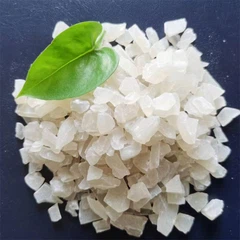
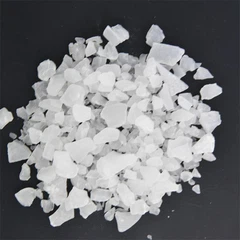
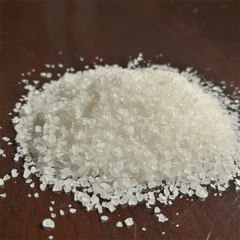
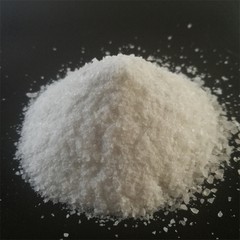
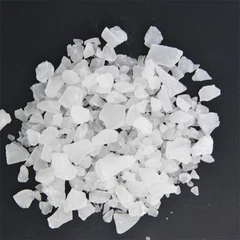
Ferric aluminium sulphate is a complex inorganic compound. It combines the properties of both iron (ferric) and aluminium sulphates. The general formula may vary depending on the specific ratio of iron, aluminium, and sulphate ions. This compound is typically presented as a solid, often in the form of lumps or flakes. For more details on the forms of aluminium sulphate products, you can visit Ferric Aluminium Sulphate, Aluminum Sulphate Lump, and Aluminum Sulphate Flake.
The chemical has unique solubility characteristics. It can dissolve in water to form a solution with acidic properties due to the hydrolysis of aluminium and iron ions. This acidic nature is significant as it can affect various chemical and physical processes within the textile industry.
Potential Applications in the Textile Industry
Dyeing Process
One of the primary areas where ferric aluminium sulphate shows promise is in the dyeing process. In the textile dyeing industry, achieving uniform and long - lasting color is of utmost importance. Ferric aluminium sulphate can act as a mordant. A mordant is a substance that helps the dye bind to the fabric more effectively.
When added to the dye bath, the iron and aluminium ions in ferric aluminium sulphate can form coordination complexes with both the dye molecules and the fibers of the textile. These complexes strengthen the bond between the dye and the fabric, enhancing the color fastness. Color fastness refers to the ability of a dyed fabric to retain its color under various conditions such as washing, exposure to light, and rubbing.
For example, in the case of natural dyes, which are often less color - fast compared to synthetic dyes, the use of ferric aluminium sulphate as a mordant can significantly improve their performance. It allows for a wider range of colors to be achieved and ensures that the colors remain vibrant even after multiple washes.
Wastewater Treatment
The textile industry is known to generate large volumes of wastewater, which is often contaminated with dyes, chemicals, and other pollutants. Ferric aluminium sulphate can play a crucial role in the treatment of this wastewater.
The compound acts as a coagulant and flocculant in wastewater treatment. When added to textile wastewater, the aluminium and iron ions in ferric aluminium sulphate react with the negatively charged particles in the water, such as dye molecules and suspended solids. The ions neutralize the charges on these particles, causing them to come together and form larger aggregates called flocs.
These flocs are then easier to remove from the water through processes like sedimentation or filtration. By effectively removing pollutants from the wastewater, ferric aluminium sulphate helps textile mills meet environmental regulations and reduces the impact of their operations on the environment. Additionally, it can also recycle the treated water for reuse in some non - critical processes within the mill, leading to significant cost savings.
Fiber Modification
Another potential application of ferric aluminium sulphate is in fiber modification. By treating textile fibers with a solution of ferric aluminium sulphate, certain properties of the fibers can be altered.
The compound can react with the functional groups on the surface of the fibers, such as hydroxyl groups in natural fibers like cotton. This reaction can lead to changes in the surface properties of the fibers, including their wettability. Improved wettability is beneficial as it allows dyes and other chemicals to penetrate the fibers more easily during the manufacturing process.


Moreover, ferric aluminium sulphate treatment can also enhance the mechanical properties of the fibers to some extent. It can make the fibers more resistant to abrasion and improve their strength. This is particularly important for textiles that need to withstand heavy use, such as industrial fabrics and workwear.
Advantages of Using Ferric Aluminium Sulphate in the Textile Industry
Cost - effectiveness
Compared to some other chemicals used in the textile industry, ferric aluminium sulphate is relatively inexpensive. Its wide availability and low production cost make it an attractive option for textile manufacturers looking to reduce their production costs without sacrificing quality.
The fact that it can serve multiple purposes, such as mordanting, wastewater treatment, and fiber modification, also adds to its cost - effectiveness. Instead of using different chemicals for each of these processes, textile mills can use ferric aluminium sulphate for multiple applications, reducing the overall chemical procurement cost.
Compatibility with Different Fabrics and Dyes
Ferric aluminium sulphate is compatible with a wide range of textile fibers, including natural fibers like cotton, silk, and wool, as well as synthetic fibers like polyester and nylon. This versatility makes it suitable for use in different types of textile production processes.
It also works well with various types of dyes, both natural and synthetic. Whether a textile mill is using traditional plant - based dyes or high - performance synthetic dyes, ferric aluminium sulphate can enhance the dyeing results and improve the overall quality of the dyed fabrics.
Environmental Friendliness
As mentioned earlier, ferric aluminium sulphate can help in wastewater treatment, which is an important environmental consideration for the textile industry. Additionally, it is a relatively non - toxic compound compared to some other chemicals used in textile processes.
When used in the recommended dosages, it poses less of a risk to human health and the environment. This makes it a more sustainable choice for textile manufacturers who are under increasing pressure to adopt environmentally friendly practices.
Challenges and Limitations
While the potential uses of ferric aluminium sulphate in the textile industry are numerous, there are also some challenges and limitations that need to be considered.
Optimal Dosage
Determining the optimal dosage of ferric aluminium sulphate for different applications is crucial. If too little is used, it may not produce the desired results, such as poor color fastness in the dyeing process or ineffective wastewater treatment. On the other hand, if too much is used, it can lead to problems like over - mordanting, which can cause the fabric to become stiff and brittle, or an increase in the sludge volume in wastewater treatment.
Textile manufacturers need to conduct pilot studies and quality control tests to find the right dosage for their specific production processes. This may require some investment in time and resources, especially for small - and medium - sized textile mills.
Storage and Handling
Ferric aluminium sulphate is a hygroscopic compound, which means it absorbs moisture from the air. This can lead to issues such as caking and clumping during storage. Proper storage conditions, such as keeping it in a dry and cool environment, need to be maintained to ensure its quality and effectiveness.
In addition, when handling ferric aluminium sulphate, protective equipment should be worn as the compound can cause irritation to the skin, eyes, and respiratory tract if not handled properly.
Contact for Procurement
If you are in the textile industry and are interested in exploring the potential of ferric aluminium sulphate for your operations, I encourage you to reach out for further information and to discuss procurement options. We, as a supplier, are committed to providing high - quality ferric aluminium sulphate products and excellent customer service.
References
- "Environmental Chemistry of Aluminum" by Chester O. Abernathy and Anneke E. Hofstra. This book provides in - depth knowledge about the chemical properties and environmental applications of aluminium compounds, including ferric aluminium sulphate.
- "Textile Chemistry" by Subramanian Senthilkannan Muthu. This comprehensive textbook covers various aspects of the textile industry, including dyeing, fiber modification, and wastewater treatment, where the potential uses of ferric aluminium sulphate are relevant.
Send Inquiry