

What is the effect of aluminium sulfate on the nitrogen compounds in water treatment?
May 30, 2025
Leave a message
Hey there! As a supplier of aluminium sulfate for water treatment, I've gotten a ton of questions about how aluminium sulfate impacts nitrogen compounds in the water treatment process. Let's dig into this topic to understand it better.
First off, let's talk about nitrogen compounds in water. In natural water sources, you've got various nitrogen - containing compounds like ammonia (NH₃), nitrite (NO₂⁻), and nitrate (NO₃⁻). These compounds can come from different sources, such as agricultural runoff (fertilizers often have high nitrogen content), sewage discharge, and industrial waste. Some of these nitrogen compounds can have negative impacts on water quality. For instance, high levels of ammonia can be toxic to aquatic life, and nitrates can cause problems, especially for infants if present in drinking water.
Now, aluminium sulfate, commonly known as alum, is a well - known coagulant in water treatment. It's used to remove suspended solids, colloids, and some organic matter from water. When it's added to water, it forms aluminium hydroxide flocs through a reaction with the bicarbonate alkalinity in the water:
Al₂(SO₄)₃ + 6HCO₃⁻ → 2Al(OH)₃ + 6CO₂+ 3SO₄²⁻


The flocs act like little nets, trapping the suspended particles and making them settle out of the water. This process is called coagulation and sedimentation.
But how does it relate to nitrogen compounds? Well, aluminium sulfate doesn't directly react with nitrogen compounds in the traditional sense. However, its use in water treatment can have an indirect effect on them.
Impact on Ammonia
One of the key effects of aluminium sulfate on nitrogen compounds is related to ammonia. During water treatment, the addition of aluminium sulfate can cause a change in the water's pH. As I mentioned before, when aluminium sulfate reacts with bicarbonate alkalinity, carbon dioxide is released. The release of CO₂ can lead to a drop in pH. A lower pH can significantly affect the equilibrium between ammonia (NH₃) and ammonium (NH₄⁺) in the water.
The chemical equilibrium is as follows:
NH₃ + H⁺ ⇌ NH₄⁺
At lower pH, the equilibrium shifts to the right, meaning more ammonia is converted into ammonium. Ammonium is less toxic to aquatic life compared to ammonia. So, in a way, the use of aluminium sulfate can reduce the toxicity associated with ammonia in water. This is pretty important, especially when treating water to support aquatic ecosystems or for other environmental purposes.
Impact on Nitrite and Nitrate
When it comes to nitrite and nitrate, the effect of aluminium sulfate is not as straightforward as with ammonia. Aluminium sulfate is primarily used for coagulation and sedimentation, and it doesn't have a direct chemical reaction to reduce nitrate or nitrite levels in water. However, by removing suspended solids and organic matter, it can indirectly influence the nitrogen cycle in the water.
Suspended solids and organic matter can act as substrates for nitrifying bacteria. These bacteria convert ammonia to nitrite and then to nitrate through a process called nitrification. By removing these substrates, aluminium sulfate can slow down the nitrification process to some extent. That doesn't mean it will eliminate nitrates or nitrites, but it can help control their build - up in the water.
It's also important to note that the efficiency of aluminium sulfate in affecting nitrogen compounds can be influenced by other factors. The dosage of aluminium sulfate matters a lot. Using too much or too little can have different outcomes. If the dosage is too high, it can lead to an excessive drop in pH, which may cause other water - quality issues. On the other hand, if the dosage is too low, it won't effectively remove the impurities that can impact the nitrogen cycle.
The types of water sources also play a role. For example, in surface water, which often has a high content of organic matter and suspended solids, aluminium sulfate can have a more significant impact on the nitrogen cycle. Groundwater, on the other hand, usually has different chemical characteristics, and the effect might be less pronounced.
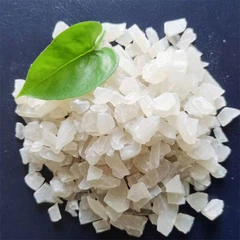
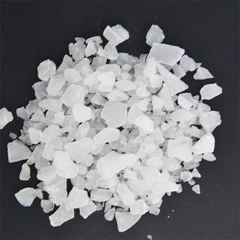
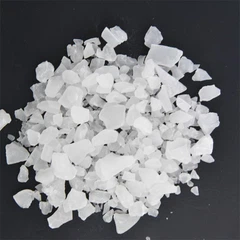
As an aluminium sulfate water treatment supplier, we offer a variety of aluminium sulfate products. You can check out our Aluminium Sulphate Liquid, which is easy to handle and mix in water treatment systems. If you prefer a solid form, our Aluminum Sulphate Flake is a great choice. And for those who need a more specific product, our Aluminium Sulphate Octadecahydrate offers unique properties.
The application of aluminium sulfate in water treatment can have valuable indirect effects on nitrogen compounds. It can help manage ammonia toxicity and potentially slow down the nitrification process, contributing to better water quality. Understanding these effects is crucial for anyone involved in water treatment, whether it's for drinking water, industrial processes, or environmental protection.
So, if you're in the market for high - quality aluminium sulfate for your water treatment needs, don't hesitate to reach out to us. We're always here to chat about how our products can meet your specific requirements. Whether you're dealing with a small - scale water treatment system or a large industrial plant, we've got you covered. Let's work together to make your water treatment process more efficient and effective!
References
- Krasner, S. W., & Amy, G. L. (Eds.). (2018). Water Treatment Plant Design. McGraw - Hill Education.
- Randtke, S. J., & Snoeyink, V. L. (1991). Chemical water treatment processes for removal of organic micropollutants. Critical Reviews in Environmental Control, 21(3 - 4), 333 - 377.
- AWWA. (2017). Water Quality & Treatment: A Handbook of Community Water Supplies. McGraw - Hill.
Send Inquiry